
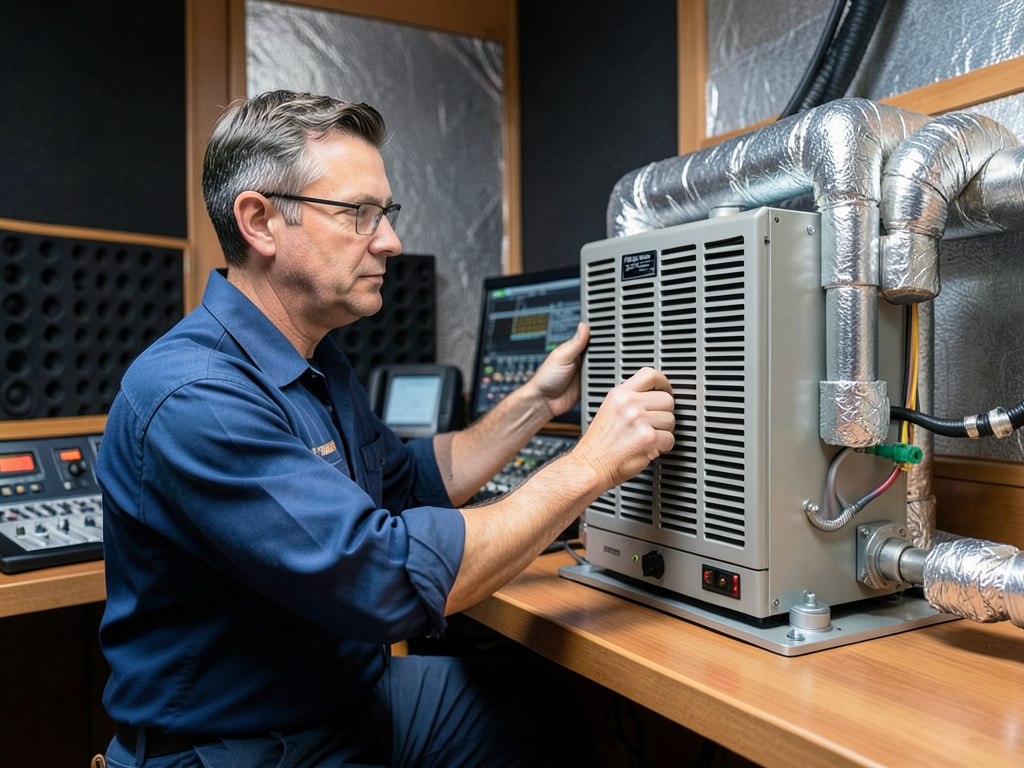
Specialized HVAC solutions for commercial recording studios and rehearsal spaces in Berry Hill
Commercial recording studios and rehearsal spaces in Berry Hill face unique HVAC challenges that standard contractors simply don’t understand. These creative environments require specialized climate control systems that maintain precise temperature and humidity levels while operating with near-silent acoustics. The wrong HVAC setup can introduce unwanted noise, cause equipment damage, or create acoustic reflections that ruin a recording session. The Best High Efficiency HVAC Systems for Luxury Homes in Brentwood.
Berry Hill has become Nashville’s recording studio corridor, with dozens of facilities ranging from small rehearsal rooms to professional tracking studios. Each space demands HVAC solutions that balance air quality, temperature stability, and absolute silence. Our team specializes in designing and installing systems specifically engineered for these sensitive audio environments. Nashville AC Repair Companies That Actually Answer the Phone on Weekends.
Why standard HVAC systems fail in recording studios
Traditional residential and commercial HVAC units generate noise levels between 50-70 decibels during operation. For recording studios, this is unacceptable since even 20 decibels can bleed through microphones and ruin takes. The constant cycling of standard systems creates vibrations that travel through walls, floors, and ductwork, causing unwanted rumble in recordings.. Read more about How to choose a quiet HVAC system that won’t disturb your neighbors in Brentwood.
Recording studio HVAC needs go beyond simple temperature control. These spaces require precise humidity management between 40-60% to protect sensitive equipment and prevent acoustic panel degradation. Temperature fluctuations as small as 2-3 degrees can affect tape machines, digital audio workstations, and vintage gear performance.
Air quality presents another critical factor. Recording studios house expensive microphones, preamps, and instruments that attract dust and require clean air circulation. Standard filters clog quickly in these environments, reducing airflow and forcing systems to work harder, which increases noise levels.
Soundproof HVAC design principles for Berry Hill studios
Effective studio HVAC design starts with equipment selection. Variable-speed compressors operate at whisper-quiet levels, typically 25-35 decibels, compared to traditional units that can exceed 60 decibels. These systems adjust output based on demand rather than cycling on and off, eliminating the loud startup sounds that plague recording sessions.
Vibration isolation forms the foundation of silent HVAC operation. We install specialized rubber isolation mounts and spring hangers that decouple equipment from building structures. This prevents mechanical vibrations from traveling through walls and floors into recording spaces. Even the smallest vibration can create low-frequency rumble that’s impossible to remove in post-production. HVAC Mount Juliet.
Ductwork design requires careful acoustic treatment. Standard metal ducts act as sound amplifiers, broadcasting every air movement throughout the building. We use acoustic duct liners and flexible connections that absorb sound transmission. Strategic duct placement and sizing ensures adequate airflow without creating whistling or rushing sounds that interfere with recording.
Compressor placement becomes critical in studio environments. Outdoor units should sit on vibration-absorbing pads and maintain proper clearance from walls to prevent sound reflection. For rooftop installations, we use sound blankets and strategic baffling to contain noise before it reaches recording spaces.
Climate control for optimal recording conditions
Recording equipment generates significant heat, particularly in control rooms with multiple computers, amplifiers, and processing units. This creates hot spots that standard zoning cannot address. We design dedicated cooling circuits for equipment racks and control surfaces, maintaining consistent temperatures while preventing cold drafts on musicians. Heating and Cooling Historic Germantown Homes Without Bulky Ductwork.
Humidity control prevents two major problems in studios. Low humidity causes static electricity that damages sensitive electronics and creates popping sounds in recordings. High humidity leads to condensation on equipment, mold growth in acoustic treatments, and tuning instability in instruments. Our systems maintain precise humidity levels year-round, protecting both equipment and recordings. Storm Damage HVAC Repair.
Air distribution requires careful planning to avoid creating air currents that affect microphone placement. We use low-velocity diffusers and strategic vent placement to ensure even temperatures without creating noticeable air movement. Some studios benefit from underfloor air distribution systems that eliminate overhead ducts entirely.
Specialized equipment for studio HVAC applications
Variable refrigerant flow (VRF) systems offer excellent solutions for multi-room studios. These systems allow independent temperature control for different spaces while operating at extremely low noise levels. Each indoor unit connects to a single outdoor compressor through refrigerant lines, eliminating the need for extensive ductwork that can transmit sound.
Geothermal heat pumps provide another quiet option for studio HVAC. These systems use underground loops to exchange heat, eliminating outdoor compressor noise entirely. While installation costs are higher, the long-term energy savings and silent operation make them ideal for high-end recording facilities.
Ultra-quiet air handlers with ECM motors reduce operational noise by 50% compared to standard units. These motors adjust speed continuously rather than cycling, eliminating the loud startup sounds that disrupt recording sessions. Combined with insulated cabinets and vibration isolation, these units operate virtually silently.
Humidity control systems with precision sensors maintain optimal moisture levels within 1% accuracy. These standalone units integrate with existing HVAC systems or operate independently, ensuring consistent humidity regardless of outdoor conditions or equipment heat loads.
Installation considerations for Berry Hill studio buildings
Berry Hill’s mix of historic buildings and modern constructions presents unique installation challenges. Older structures often lack space for traditional ductwork, requiring creative solutions like exposed spiral duct or underfloor systems. These options can become design features while maintaining acoustic performance.
Modern studio buildings in Berry Hill typically feature open floor plans that complicate zoning. We use advanced control systems that create virtual zones through strategic vent placement and variable-speed operation. This allows different temperature settings for control rooms, tracking spaces, and lounge areas without extensive ductwork modifications.
Electrical capacity often becomes a limiting factor in studio HVAC design. Recording equipment demands clean, stable power, while HVAC systems require substantial electrical loads. We coordinate with studio electricians to ensure proper circuit isolation and prevent power quality issues that could affect recording equipment.
Building codes in Davidson County require specific ventilation rates for commercial spaces, but studio applications need modified approaches. We design systems that meet code requirements while maintaining the acoustic isolation necessary for professional recording. This often involves heat recovery ventilators that provide fresh air without introducing outside noise.
Maintenance requirements for studio HVAC systems
Studio HVAC systems require more frequent maintenance than standard commercial units. Air filters need replacement every 30-60 days rather than the typical 90-day schedule. This prevents dust buildup that can cause noise and maintains the air quality necessary for sensitive recording equipment.
Coil cleaning becomes critical in studio environments where dust and airborne particles are more problematic. We recommend professional coil cleaning every six months to maintain efficiency and prevent the musty odors that can ruin recording sessions. Clean coils also reduce operational noise by preventing airflow restrictions.
Refrigerant levels require precise monitoring in studio systems. Low refrigerant causes compressors to work harder, increasing noise levels and potentially causing system failure during critical recording sessions. Our maintenance plans include regular refrigerant checks and leak detection to prevent these issues.
Control system calibration ensures consistent performance. Studio HVAC controls must maintain precise temperature and humidity settings while responding quickly to changing conditions. We recalibrate systems seasonally to account for equipment heat loads and outdoor climate variations specific to Middle Tennessee.
Energy efficiency and cost considerations
Studio HVAC systems operate 24/7 to maintain consistent conditions, making energy efficiency crucial for operating costs. High-efficiency units with SEER2 ratings of 18 or higher can reduce energy consumption by 30-40% compared to standard systems. This translates to thousands of dollars in annual savings for busy studios.
Variable-speed systems provide excellent energy savings through part-load operation. These units consume significantly less power when maintaining temperatures rather than cycling on and off. The energy savings often offset the higher initial costs within 2-3 years of operation.
Smart controls optimize energy usage based on studio schedules and occupancy. These systems learn usage patterns and adjust operation accordingly, reducing energy consumption during off-hours while ensuring optimal conditions for scheduled sessions. Integration with building management systems allows centralized control of multiple studio spaces.
Tax incentives and rebates for high-efficiency HVAC installations can offset initial costs. Davidson County and Tennessee state programs offer incentives for energy-efficient commercial upgrades. We help studio owners navigate these programs to maximize return on investment.
Case studies from Berry Hill recording studios
A recent project involved a 2,000-square-foot tracking studio on Blakemore Avenue. The client experienced significant noise issues from their original HVAC system, with air handler vibrations traveling through the floor into the live room. We replaced the system with a VRF setup featuring dedicated indoor units for the control room and tracking space. The new system operates at 28 decibels and maintains precise temperature control within 1 degree Fahrenheit.
Another Berry Hill studio on Halcyon Avenue required complete HVAC redesign due to inadequate cooling for their equipment load. The original system couldn’t handle the heat generated by multiple computers, amplifiers, and processing units. We installed a dedicated cooling circuit for the equipment rack with its own thermostat and humidity control. This solution eliminated hot spots and prevented equipment overheating during long sessions.
A rehearsal space on Glen Echo Road needed quiet HVAC for multiple practice rooms. Standard ducted systems created too much noise transfer between rooms. We designed a ductless mini-split system with individual units for each room, allowing independent temperature control while maintaining acoustic isolation. Each unit operates below 25 decibels, creating the quiet environment necessary for music practice.
Choosing the right HVAC contractor for your studio
Not all HVAC contractors understand the unique requirements of recording studios. Look for companies with specific experience in acoustic applications and quiet system design. Ask for references from other Nashville studios and request examples of similar installations they’ve completed.
Proper licensing and insurance are essential for commercial studio projects. Ensure your contractor holds Tennessee mechanical contractor licenses and carries adequate liability coverage. Studio HVAC work often involves electrical modifications and structural changes that require proper permitting and inspection.
Experience with specific studio equipment brands matters. Different manufacturers offer varying levels of acoustic performance and control features. A knowledgeable contractor can recommend the best equipment for your specific needs and budget while ensuring compatibility with existing studio infrastructure.
Project management capabilities become crucial for studio installations that must minimize downtime. Professional contractors provide detailed schedules, coordinate with other trades, and work efficiently to complete installations with minimal disruption to studio operations.
Frequently Asked Questions
How much does studio HVAC installation cost?
Studio HVAC installation costs vary based on size, complexity, and equipment selection. Small rehearsal spaces typically range from $8,000 to $15,000, while professional recording studios can cost $25,000 to $75,000 or more. The investment pays off through improved recording quality and reduced energy costs.
How long does studio HVAC installation take?
Installation timelines depend on project scope and building conditions. Simple replacements take 2-3 days, while complete system redesigns may require 1-2 weeks. We work with studio owners to minimize downtime, often completing noisy work during off-hours or weekends.
Can existing HVAC systems be modified for quieter operation?
Many existing systems can be retrofitted with sound blankets, vibration isolation, and upgraded controls to reduce noise levels. However, severely undersized or aging systems may require complete replacement for optimal performance. We evaluate each situation and recommend the most cost-effective solution.
What maintenance schedule do studio HVAC systems require?
Studio systems need quarterly professional maintenance plus monthly filter changes. This frequent service prevents dust buildup, maintains efficiency, and ensures reliable operation during critical recording sessions. We offer maintenance plans specifically designed for studio HVAC needs.
How do I know if my studio needs specialized HVAC?
Signs include noise complaints during recording, inconsistent temperatures between rooms, equipment overheating, or static electricity issues. If you’re experiencing any of these problems, your studio likely needs HVAC evaluation and potential upgrades.
Get expert studio HVAC solutions in Berry Hill
Recording studios and rehearsal spaces in Berry Hill deserve HVAC systems that support rather than hinder creative work. Our specialized team understands the unique acoustic, climate control, and energy efficiency requirements of these sensitive environments. We design, install, and maintain systems that operate silently while maintaining optimal conditions for recording equipment and musicians.
Don’t let poor HVAC design compromise your studio’s sound quality or equipment performance. Call (615) 552-1922 today to schedule a consultation and discover how our specialized studio HVAC solutions can transform your recording environment. Our team serves all of Berry Hill and surrounding Nashville recording studio corridors with the expertise and attention to detail your creative space deserves.
Pick up the phone and call (615) 552-1922 before the next recording session. Your equipment, your recordings, and your peace of mind are worth the investment in professional studio HVAC design. For more information, visit U.S. Department of Energy HVAC Efficiency Guidelines. For more information, visit EPA Indoor Air Quality Humidity Control Guidelines.
{
“@context”: “https://schema.org”,
“@type”: “BlogPosting”,
“headline”: “Specialized HVAC solutions for commercial recording studios and rehearsal spaces in Berry Hill”,
“description”: “Expert HVAC solutions for Nashville’s recording studios and rehearsal spaces in Berry Hill. Quiet systems, vibration isolation, and climate control for optimal sound quality.”,
“wordCount”: 2127,
“datePublished”: “2026-06-02T12:31:00.000Z”,
“dateModified”: “2026-06-02T12:31:00.000Z”,
“inLanguage”: “en-US”,
“mainEntityOfPage”: {
“@type”: “WebPage”,
“@id”: “https://alphahvacnashville.com”
},
“publisher”: {
“@type”: “LocalBusiness”,
“name”: “Alpha HVAC Nashville”,
“url”: “https://alphahvacnashville.com”
},
“author”: {
“@type”: “Organization”,
“name”: “Alpha HVAC Nashville”,
“url”: “https://alphahvacnashville.com”
},
“image”: {
“@type”: “ImageObject”,
“url”: “https://alphahvacnashville.com/wp-content/uploads/2026/03/specialized-hvac-solutions-for-commercial-recordin-1.png”
}
}
{
“@context”: “https://schema.org”,
“@type”: “HVACBusiness”,
“name”: “Alpha HVAC Nashville”,
“url”: “https://alphahvacnashville.com”,
“address”: {
“@type”: “PostalAddress”,
“addressLocality”: “Nashville”
},
“areaServed”: {
“@type”: “City”,
“name”: “Nashville”
}
}
{
“@context”: “https://schema.org”,
“@type”: “FAQPage”,
“mainEntity”: [
{
“@type”: “Question”,
“name”: “How much does studio HVAC installation cost?”,
“acceptedAnswer”: {
“@type”: “Answer”,
“text”: “Studio HVAC installation costs vary based on size, complexity, and equipment selection. Small rehearsal spaces typically range from $8,000 to $15,000, while professional recording studios can cost $25,000 to $75,000 or more. The investment pays off through improved recording quality and reduced energy costs.”
}
},
{
“@type”: “Question”,
“name”: “How long does studio HVAC installation take?”,
“acceptedAnswer”: {
“@type”: “Answer”,
“text”: “Installation timelines depend on project scope and building conditions. Simple replacements take 2-3 days, while complete system redesigns may require 1-2 weeks. We work with studio owners to minimize downtime, often completing noisy work during off-hours or weekends.”
}
},
{
“@type”: “Question”,
“name”: “Can existing HVAC systems be modified for quieter operation?”,
“acceptedAnswer”: {
“@type”: “Answer”,
“text”: “Many existing systems can be retrofitted with sound blankets, vibration isolation, and upgraded controls to reduce noise levels. However, severely undersized or aging systems may require complete replacement for optimal performance. We evaluate each situation and recommend the most cost-effective solution.”
}
},
{
“@type”: “Question”,
“name”: “What maintenance schedule do studio HVAC systems require?”,
“acceptedAnswer”: {
“@type”: “Answer”,
“text”: “Studio systems need quarterly professional maintenance plus monthly filter changes. This frequent service prevents dust buildup, maintains efficiency, and ensures reliable operation during critical recording sessions. We offer maintenance plans specifically designed for studio HVAC needs.”
}
},
{
“@type”: “Question”,
“name”: “How do I know if my studio needs specialized HVAC?”,
“acceptedAnswer”: {
“@type”: “Answer”,
“text”: “Signs include noise complaints during recording, inconsistent temperatures between rooms, equipment overheating, or static electricity issues. If you’re experiencing any of these problems, your studio likely needs HVAC evaluation and potential upgrades.”
}
}
]
}
{
“@context”: “https://schema.org”,
“@type”: “BreadcrumbList”,
“itemListElement”: [
{
“@type”: “ListItem”,
“position”: 1,
“name”: “Home”,
“item”: “https://alphahvacnashville.com”
},
{
“@type”: “ListItem”,
“position”: 2,
“name”: “Blog”,
“item”: “https://alphahvacnashville.com/blog”
},
{
“@type”: “ListItem”,
“position”: 3,
“name”: “Specialized HVAC solutions for commercial recording studios and rehearsal spaces in Berry Hill”
}
]
}
{
“@context”: “https://schema.org”,
“@type”: “Service”,
“serviceType”: “HVAC”,
“provider”: {
“@type”: “LocalBusiness”,
“name”: “Alpha HVAC Nashville”,
“url”: “https://alphahvacnashville.com”
},
“areaServed”: {
“@type”: “City”,
“name”: “Nashville”
},
“description”: “Expert HVAC solutions for Nashville’s recording studios and rehearsal spaces in Berry Hill. Quiet systems, vibration isolation, and climate control for optimal sound quality.”
}