
Selecting a Discreet HVAC System That Won’t Ruin Your West Meade Landscape Design
West Meade homeowners face a unique challenge when upgrading their HVAC systems. The rolling hills and mature trees that make your neighborhood beautiful also create specific requirements for outdoor equipment placement. You need cooling power that works with Nashville’s humid summers without turning your backyard into an industrial zone. Nashville Metro Codes.
The right HVAC system should deliver comfort while maintaining the aesthetic integrity of your property. This means understanding how different units operate, where they can be placed, and what local regulations require. Let’s explore how to select equipment that keeps your home comfortable without compromising your landscape design.. Read more about How to choose a quiet HVAC system that won’t disturb your neighbors in Brentwood.
Understanding HVAC Noise Levels and Your West Meade Property
Noise from outdoor units travels differently across West Meade’s varied terrain. The area’s elevation changes and tree coverage create sound patterns that can either amplify or dampen equipment noise. A unit that sounds quiet in an open field might echo off nearby hills or through wooded areas. Why Your Green Hills Home Needs a Heating Tune Up Before the First Freeze.
Modern HVAC systems use several technologies to reduce operational noise. Variable-speed compressors adjust their output based on cooling demand, running at lower speeds most of the time. This creates a steady, quiet hum instead of the loud cycling sounds of older single-stage units. Sound-dampening materials and aerodynamic fan designs further reduce noise transmission. The Best High Efficiency HVAC Systems for Luxury Homes in Brentwood.
Before selecting any system, measure the distance from potential installation locations to your outdoor living spaces. A unit placed thirty feet from your patio will sound different than one tucked behind the garage. Consider prevailing wind directions too, as sound travels differently depending on air movement patterns.. Read more about Creative ways to hide an ugly outdoor AC unit without accidentally blocking the airflow.
West Meade-Specific Zoning and Placement Considerations
Nashville’s Metro Codes regulate how close outdoor HVAC equipment can be placed to property lines and structures. In West Meade, lot sizes vary significantly, and some properties have strict setback requirements due to the neighborhood’s established character. The Metro Nashville Zoning Ordinance requires minimum distances between mechanical equipment and adjacent properties to prevent noise and visual intrusion. Nashville AC Repair Companies That Actually Answer the Phone on Weekends.
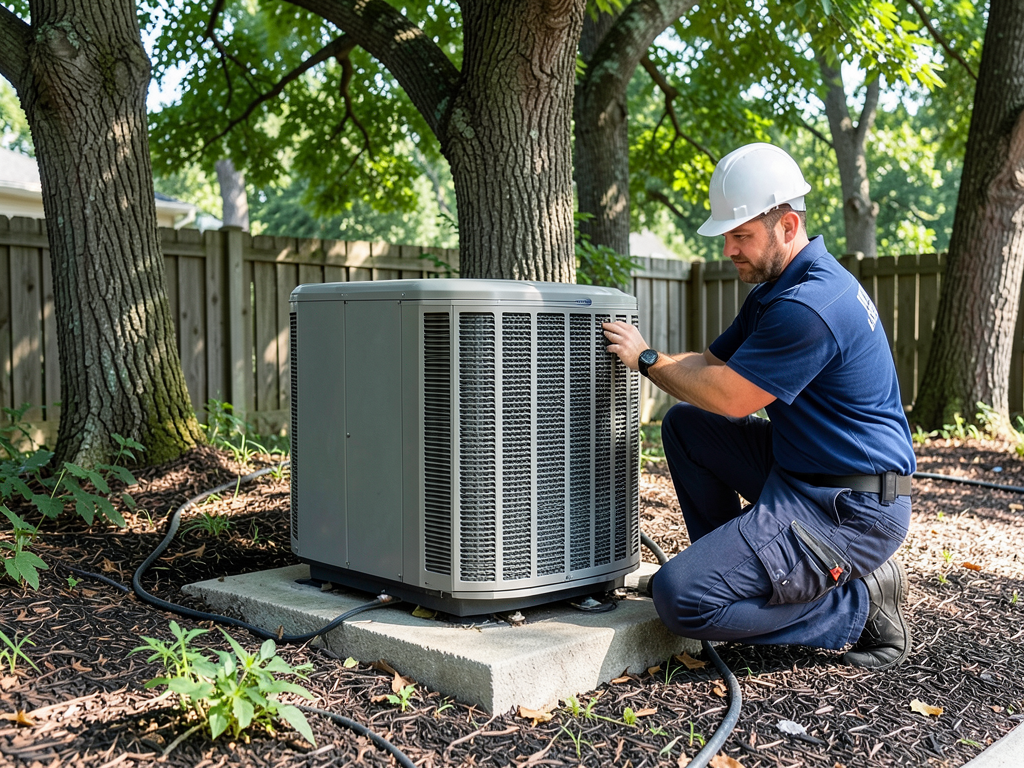
West Meade’s mature trees create both opportunities and challenges for unit placement. Large shade trees can provide natural sound barriers, but their root systems require careful consideration when pouring concrete pads. The area’s clay soil also affects installation stability, requiring proper grading and drainage to prevent equipment shifting over time.. Read more about Why heavy tree cover in West Meade might be making your AC work harder than it should.
Consider how your HVAC placement affects future landscaping plans. Will you want to add a pool, outdoor kitchen, or garden expansion in the coming years? Position equipment where it won’t interfere with these potential projects. Also think about sight lines from your home’s windows and your neighbors’ properties.
Top Quiet HVAC Systems for West Meade Homes
Several manufacturers now offer outdoor units specifically designed for noise-sensitive environments. These systems combine variable-speed technology with enhanced sound insulation to achieve noise levels as low as 55 decibels – quieter than normal conversation.
When comparing models, look beyond the decibel rating. Consider the unit’s physical footprint, airflow requirements, and how it integrates with your home’s existing ductwork. Some compact systems sacrifice efficiency for smaller size, while others maintain high performance in reduced dimensions.
Energy efficiency ratings also impact noise levels. Higher SEER2 rated units typically run longer at lower speeds, which reduces cycling noise. They also tend to have better sound insulation as manufacturers invest in quality components to achieve those efficiency ratings.
Installation Techniques That Minimize Visual Impact
Professional installation makes the difference between an eyesore and a well-integrated system. Proper pad leveling ensures your unit sits perfectly flat, preventing vibration that can amplify noise through the ground. Using vibration isolation pads adds another layer of sound reduction.
Strategic landscaping can screen your HVAC unit without blocking airflow. Ornamental grasses, compact shrubs, or decorative fencing can create visual barriers while maintaining the required clearance for proper operation. Just remember that plants need at least three feet of clearance on all sides for maintenance access.
Consider custom enclosures that match your home’s architectural style. These can be designed to look like garden structures or storage buildings while providing the necessary ventilation and access. Some homeowners integrate their units into existing structures like garages or pool houses for complete concealment.
West Meade Climate Considerations for HVAC Selection
Nashville’s humid subtropical climate means your system works harder than units in drier regions. High humidity requires longer run times to properly dehumidify your home, which affects both energy consumption and noise levels. Units that struggle with humidity often run at higher speeds more frequently, increasing noise output.
West Meade’s elevation and proximity to the Cumberland River create microclimates that can affect system performance. Some areas experience slightly cooler temperatures due to elevation changes, while others retain more heat. Understanding your specific location helps in selecting the right system size and configuration.
Spring storm season brings another consideration. West Meade homes need systems that can handle rapid temperature changes and occasional power fluctuations. Surge protection and proper electrical connections become critical for protecting your investment and ensuring reliable operation. Storm Damage HVAC Repair.
Maintenance Practices That Preserve Both Function and Form
Regular maintenance keeps your system running quietly and efficiently. Dirty coils, loose components, and worn bearings all contribute to increased noise levels. A well-maintained unit should operate at or near its original decibel rating throughout its lifespan.
Seasonal maintenance should include checking all mounting hardware, cleaning condenser coils, and inspecting electrical connections. These simple steps prevent the rattles, vibrations, and electrical hums that can make a quiet unit sound noisy over time.
Landscaping around your unit requires ongoing attention. Plants grow, mulch settles, and debris accumulates. Schedule quarterly checks to ensure nothing has grown too close or created airflow restrictions. This also gives you a chance to spot potential issues before they become major problems.
Cost Considerations for Discreet HVAC Systems
Quiet, high-efficiency systems typically cost 15-25% more than standard units upfront. However, they often pay for themselves through lower energy bills and longer lifespans. The additional cost for noise reduction technology is usually minimal compared to the overall system price.
Installation costs vary based on your property’s specific requirements. Homes with difficult access, unusual lot configurations, or special electrical needs may see higher installation costs. However, proper installation prevents costly repairs and ensures optimal performance.
Factor in the long-term value of maintaining your property’s aesthetic appeal. A poorly placed or noisy unit can actually decrease your home’s value, while a well-integrated system preserves and potentially enhances your landscape design.
Making Your Final Selection
Start by having a professional assess your specific property. They should evaluate your home’s cooling needs, existing ductwork, electrical capacity, and landscape layout. This assessment forms the foundation for selecting the right system. Heating and Cooling Historic Germantown Homes Without Bulky Ductwork.
Request multiple quotes and compare not just prices but the proposed solutions. Look for contractors who understand West Meade’s specific requirements and can explain how their recommendations address your unique situation.
Don’t forget to check references and reviews from other West Meade homeowners. Their experiences with similar installations can provide valuable insights into what works well in your neighborhood’s specific conditions.
Frequently Asked Questions
How loud is a typical quiet HVAC system?
Modern quiet systems operate between 55-65 decibels, comparable to normal conversation or a running refrigerator. Some premium models achieve even lower noise levels during standard operation.
Can I install the unit myself to save money?
Tennessee law requires licensed HVAC contractors for system installation. DIY installation voids warranties and can create safety hazards. Professional installation ensures proper sizing, efficient operation, and code compliance.
How much clearance does my HVAC unit need?
Units need at least three feet of clearance on all sides for proper airflow and maintenance access. This includes clearance from walls, plants, and other obstacles. Some high-efficiency units may require additional space.
Will a quiet system cost more to operate?
Quiet systems often cost less to operate because they typically use variable-speed technology and higher efficiency components. The noise reduction features don’t significantly impact energy consumption.
How long does installation take?
Most residential replacements take one to two days. Complex installations or those requiring significant modifications may take longer. Your contractor should provide a specific timeline based on your property’s requirements.
Next Steps for Your West Meade Home
Selecting the right HVAC system requires balancing multiple factors: noise levels, efficiency, aesthetics, and cost. The key is finding a solution that works specifically for your West Meade property’s unique characteristics.
Start by scheduling a professional assessment of your home’s cooling needs and property layout. This evaluation will identify the best locations for equipment placement and help determine which systems will work best for your situation.
Remember that the cheapest option isn’t always the best value. Consider the long-term benefits of a properly sized, efficiently installed system that maintains your property’s aesthetic appeal while providing reliable comfort.
Ready to explore discreet HVAC solutions for your West Meade home? Call (615) 552-1922 today to schedule your free consultation. Our team understands the unique requirements of West Meade properties and can help you select a system that keeps your home comfortable without compromising your landscape design.
Don’t let another summer of noisy equipment disrupt your outdoor enjoyment. Contact us now to learn how we can help you achieve the perfect balance of comfort and aesthetics for your West Meade home. For more information, visit TVA Energy Efficiency Programs.
You may also find this helpful. Why your lawn clippings might be slowly killing your AC unit in Lenox Village.
{
“@context”: “https://schema.org”,
“@type”: “BlogPosting”,
“headline”: “Selecting a Discreet HVAC System That Won’t Ruin Your West Meade Landscape Design”,
“description”: “Find quiet HVAC solutions for West Meade homes that blend with your landscape. Learn about noise reduction, placement, and Nashville-specific installation tips.”,
“wordCount”: 1593,
“datePublished”: “2026-05-21T08:10:00.000Z”,
“dateModified”: “2026-05-21T08:10:00.000Z”,
“inLanguage”: “en-US”,
“mainEntityOfPage”: {
“@type”: “WebPage”,
“@id”: “https://alphahvacnashville.com”
},
“publisher”: {
“@type”: “LocalBusiness”,
“name”: “Alpha HVAC Nashville”,
“url”: “https://alphahvacnashville.com”
},
“author”: {
“@type”: “Organization”,
“name”: “Alpha HVAC Nashville”,
“url”: “https://alphahvacnashville.com”
},
“image”: {
“@type”: “ImageObject”,
“url”: “https://alphahvacnashville.com/wp-content/uploads/2026/03/selecting-a-discreet-hvac-system-that-won-t-ruin-y-1.png”
}
}
{
“@context”: “https://schema.org”,
“@type”: “HVACBusiness”,
“name”: “Alpha HVAC Nashville”,
“url”: “https://alphahvacnashville.com”,
“address”: {
“@type”: “PostalAddress”,
“addressLocality”: “Nashville”
},
“areaServed”: {
“@type”: “City”,
“name”: “Nashville”
}
}
{
“@context”: “https://schema.org”,
“@type”: “FAQPage”,
“mainEntity”: [
{
“@type”: “Question”,
“name”: “How loud is a typical quiet HVAC system?”,
“acceptedAnswer”: {
“@type”: “Answer”,
“text”: “Modern quiet systems operate between 55-65 decibels, comparable to normal conversation or a running refrigerator. Some premium models achieve even lower noise levels during standard operation.”
}
},
{
“@type”: “Question”,
“name”: “Can I install the unit myself to save money?”,
“acceptedAnswer”: {
“@type”: “Answer”,
“text”: “Tennessee law requires licensed HVAC contractors for system installation. DIY installation voids warranties and can create safety hazards. Professional installation ensures proper sizing, efficient operation, and code compliance.”
}
},
{
“@type”: “Question”,
“name”: “How much clearance does my HVAC unit need?”,
“acceptedAnswer”: {
“@type”: “Answer”,
“text”: “Units need at least three feet of clearance on all sides for proper airflow and maintenance access. This includes clearance from walls, plants, and other obstacles. Some high-efficiency units may require additional space.”
}
},
{
“@type”: “Question”,
“name”: “Will a quiet system cost more to operate?”,
“acceptedAnswer”: {
“@type”: “Answer”,
“text”: “Quiet systems often cost less to operate because they typically use variable-speed technology and higher efficiency components. The noise reduction features don’t significantly impact energy consumption.”
}
},
{
“@type”: “Question”,
“name”: “How long does installation take?”,
“acceptedAnswer”: {
“@type”: “Answer”,
“text”: “Most residential replacements take one to two days. Complex installations or those requiring significant modifications may take longer. Your contractor should provide a specific timeline based on your property’s requirements.”
}
}
]
}
{
“@context”: “https://schema.org”,
“@type”: “BreadcrumbList”,
“itemListElement”: [
{
“@type”: “ListItem”,
“position”: 1,
“name”: “Home”,
“item”: “https://alphahvacnashville.com”
},
{
“@type”: “ListItem”,
“position”: 2,
“name”: “Blog”,
“item”: “https://alphahvacnashville.com/blog”
},
{
“@type”: “ListItem”,
“position”: 3,
“name”: “Selecting a Discreet HVAC System That Won’t Ruin Your West Meade Landscape Design”
}
]
}
{
“@context”: “https://schema.org”,
“@type”: “Service”,
“serviceType”: “HVAC”,
“provider”: {
“@type”: “LocalBusiness”,
“name”: “Alpha HVAC Nashville”,
“url”: “https://alphahvacnashville.com”
},
“areaServed”: {
“@type”: “City”,
“name”: “Nashville”
},
“description”: “Find quiet HVAC solutions for West Meade homes that blend with your landscape. Learn about noise reduction, placement, and Nashville-specific installation tips.”
}