
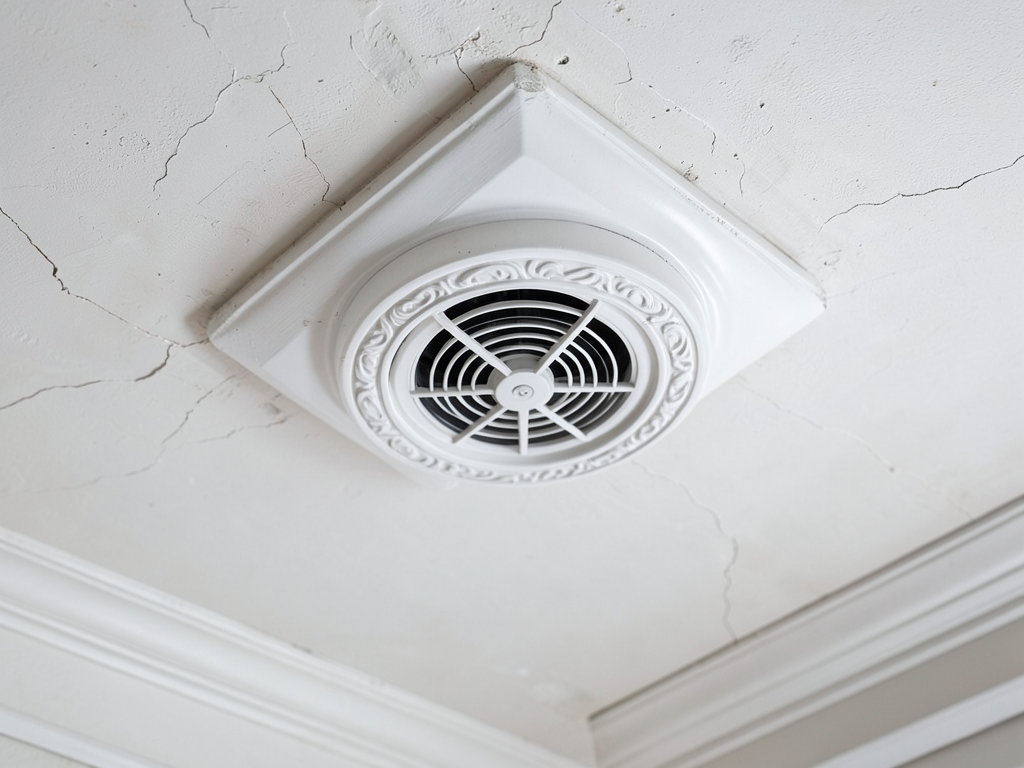
Preserving the charm of your Lockeland Springs historic home with high-velocity HVAC systems
Your Lockeland Springs bungalow deserves comfort without compromising its historic character. High-velocity HVAC systems deliver powerful cooling through flexible 2-inch ducts that snake through walls and ceilings without disturbing original plaster or crown molding. This technology maintains the architectural integrity of your home while providing superior dehumidification for Nashville’s humid summers. The Best High Efficiency HVAC Systems for Luxury Homes in Brentwood.
How high-velocity systems protect historic architecture
Traditional ductwork requires 6-inch or larger rigid metal ducts that need substantial chases and bulkheads. In Lockeland Springs’ early 1900s homes, adding these would mean destroying original features or losing valuable living space. High-velocity systems use aspiration technology where small 2-inch supply outlets create a gentle mixing effect that eliminates hot and cold spots without the bulky infrastructure.
The Unico System and SpacePak are the two industry-leading brands specifically designed for historic preservation. Both use flexible mini-ducts that can be routed through existing wall cavities, floor joists, and attic spaces. The supply outlets come in various decorative styles that blend with historic interiors, from simple white grilles to period-appropriate brass or nickel finishes.
Nashville’s climate advantage with high-velocity cooling
Middle Tennessee’s 90% summer humidity creates unique cooling challenges. Standard HVAC systems cool air but often leave excess moisture that makes rooms feel clammy. High-velocity systems remove up to 30% more humidity than traditional units because their smaller ducts move air faster across the cooling coil, wringing out more moisture before it circulates through your home. Heating and Cooling Historic Germantown Homes Without Bulky Ductwork.
This superior dehumidification means you can set your thermostat 2-3 degrees higher while feeling more comfortable. Lower humidity also prevents mold growth in historic wood framing and reduces the musty odors common in older homes. The result is better indoor air quality and preserved building materials.
Installation process for Lockeland Springs homes
Every high-velocity installation starts with a Manual J load calculation to determine your home’s exact cooling needs. Our technicians measure room-by-room heat gain, accounting for original single-pane windows, uninsulated walls, and the thermal mass of historic materials. This precision sizing ensures optimal comfort without oversizing that wastes energy.
The flexible ducts can be fished through existing wall cavities without demolition. We typically route supply lines through attic spaces and drop them down interior walls where possible. Return air can often use existing chimney chases or be incorporated into closet spaces. The entire system installs in 3-5 days with minimal disruption to your daily life.
Comparing high-velocity to other cooling options
| Feature | High-Velocity | Traditional Ductwork | Ductless Mini-Split |
|---|---|---|---|
| Duct Size | 2-inch flexible | 6+ inch rigid | No ducts |
| Installation Impact | Minimal wall/ceiling damage | Major structural changes | Wall-mounted units visible |
| Dehumidification | 30% better than standard | Standard performance | Varies by model |
| Aesthetic Impact | Small outlets blend in | Bulkheads reduce space | Units visible in rooms |
| Energy Efficiency | SEER 16-20+ available | SEER 14-18 common | SEER 20-30+ possible |
Energy efficiency and cost considerations
High-velocity systems achieve SEER ratings of 16-20 or higher, comparable to premium traditional systems. The smaller ducts have less surface area for heat gain, and the efficient air movement reduces the cooling load. Many Lockeland Springs homeowners see 15-20% lower cooling bills compared to window units or aging central systems.
Installation costs run 15-25% higher than traditional ductwork due to the specialized equipment and expertise required. However, when you factor in the preservation of historic features, reduced demolition costs, and energy savings, the total investment often pencils out similarly over a 5-7 year period.
Maintenance requirements for optimal performance
High-velocity systems need annual professional maintenance like any HVAC equipment. The small ducts require specialized cleaning equipment – we use high-pressure air whips and vacuum systems designed specifically for 2-inch tubing. Filters are smaller but need replacement every 2-3 months due to the higher air velocity.
The outdoor condenser units are standard but should be placed on vibration isolation pads to prevent noise transfer to your historic wood framing. We also recommend UV light treatment for the cooling coil to prevent mold growth in the high-humidity environment common to Nashville’s older homes. Nashville AC Repair Companies That Actually Answer the Phone on Weekends.
Common concerns and solutions
Noise levels concern many homeowners, but modern high-velocity systems operate at 35-45 decibels – quieter than a normal conversation. The aspiration principle actually reduces the perception of air movement compared to traditional vents where you can feel drafts.
Some worry about cooling historic plaster walls. The systems don’t cool surfaces significantly – they condition the air, which then naturally cools surfaces through convection. We’ve installed dozens of systems in Lockeland Springs without any plaster damage or moisture issues. Storm Damage HVAC Repair.
Historic preservation compliance
The Nashville Historic Zoning Commission has approved high-velocity systems for many historic districts because they preserve original architectural features. We work directly with preservation boards to ensure our installations meet all guidelines. The flexible ducts mean we can often route systems without touching protected exterior walls or visible interior features.
Many Lockeland Springs homes are in the National Register Historic District. High-velocity systems help maintain eligibility for historic tax credits since they don’t alter contributing architectural features. We provide documentation showing how our installations preserve historic integrity for tax credit applications. National Park Service HVAC preservation guidelines.
Is high-velocity right for your home?
High-velocity systems excel in homes where traditional ductwork would require major structural changes. If your Lockeland Springs home has original plaster walls, decorative ceilings, or limited attic space, this technology offers the best balance of comfort and preservation.
They’re also ideal for homes currently using window units or struggling with uneven cooling. The aspiration effect eliminates hot spots that window units can’t reach, and the whole-house dehumidification solves the moisture problems common in Tennessee’s climate. Whole Home Humidifiers.
Ready to preserve your home’s charm while adding modern comfort? Call (615) 552-1922 today to schedule your free consultation. Our Lockeland Springs specialists will evaluate your home’s unique needs and show you exactly how high-velocity technology can work for your historic property.
Frequently Asked Questions
How long does high-velocity HVAC installation take?
Most Lockeland Springs homes complete installation in 3-5 days. The process includes load calculation, duct routing, equipment installation, and system testing. We protect your home throughout the process and clean thoroughly afterward.
Will high-velocity systems work with my existing furnace?
High-velocity systems can integrate with most existing heating systems. If you have a boiler or radiator system, we can add high-velocity cooling without touching your heating equipment. For forced-air furnaces, we can often use the existing air handler with new high-velocity coils.
Are high-velocity outlets noticeable in historic rooms?
The supply outlets are just 2-4 inches in diameter and can be painted to match your walls or ceilings. We offer decorative faceplates in various finishes that complement historic interiors. Most visitors never notice them unless you point them out.
What maintenance do high-velocity systems require?
Annual professional maintenance includes coil cleaning, refrigerant level checks, and system performance testing. You’ll need to replace filters every 2-3 months. The flexible ducts don’t require cleaning as often as traditional ducts – typically every 5-7 years unless you have pets or allergies.
Can high-velocity systems handle Nashville’s humidity?
Absolutely. High-velocity systems excel at dehumidification, removing up to 30% more moisture than traditional systems. This superior moisture removal is particularly valuable in Lockeland Springs where summer humidity often exceeds 90%.
Don’t let another Nashville summer make your historic home uncomfortable. Call (615) 552-1922 now to discover how high-velocity HVAC can preserve your Lockeland Springs home’s character while delivering the comfort you deserve. For more information, visit Department of Energy ductless mini-split information.
{
“@context”: “https://schema.org”,
“@type”: “BlogPosting”,
“headline”: “Preserving the charm of your Lockeland Springs historic home with high-velocity HVAC systems”,
“description”: “Keep your Lockeland Springs historic home cool without ruining its charm. Learn how high-velocity HVAC systems preserve architecture while delivering modern comfort.”,
“wordCount”: 1280,
“datePublished”: “2026-04-19T06:24:00.000Z”,
“dateModified”: “2026-04-19T06:24:00.000Z”,
“inLanguage”: “en-US”,
“mainEntityOfPage”: {
“@type”: “WebPage”,
“@id”: “https://alphahvacnashville.com”
},
“publisher”: {
“@type”: “LocalBusiness”,
“name”: “Alpha HVAC Nashville”,
“url”: “https://alphahvacnashville.com”
},
“author”: {
“@type”: “Organization”,
“name”: “Alpha HVAC Nashville”,
“url”: “https://alphahvacnashville.com”
},
“image”: {
“@type”: “ImageObject”,
“url”: “https://alphahvacnashville.com/wp-content/uploads/2026/03/preserving-the-charm-of-your-lockeland-springs-his-1.png”
}
}
{
“@context”: “https://schema.org”,
“@type”: “HVACBusiness”,
“name”: “Alpha HVAC Nashville”,
“url”: “https://alphahvacnashville.com”,
“address”: {
“@type”: “PostalAddress”,
“addressLocality”: “Nashville”
},
“areaServed”: {
“@type”: “City”,
“name”: “Nashville”
}
}
{
“@context”: “https://schema.org”,
“@type”: “FAQPage”,
“mainEntity”: [
{
“@type”: “Question”,
“name”: “Is high-velocity right for your home?”,
“acceptedAnswer”: {
“@type”: “Answer”,
“text”: “High-velocity systems excel in homes where traditional ductwork would require major structural changes. If your Lockeland Springs home has original plaster walls, decorative ceilings, or limited attic space, this technology offers the best balance of comfort and preservation.”
}
},
{
“@type”: “Question”,
“name”: “How long does high-velocity HVAC installation take?”,
“acceptedAnswer”: {
“@type”: “Answer”,
“text”: “Most Lockeland Springs homes complete installation in 3-5 days. The process includes load calculation, duct routing, equipment installation, and system testing. We protect your home throughout the process and clean thoroughly afterward.”
}
},
{
“@type”: “Question”,
“name”: “Will high-velocity systems work with my existing furnace?”,
“acceptedAnswer”: {
“@type”: “Answer”,
“text”: “High-velocity systems can integrate with most existing heating systems. If you have a boiler or radiator system, we can add high-velocity cooling without touching your heating equipment. For forced-air furnaces, we can often use the existing air handler with new high-velocity coils.”
}
},
{
“@type”: “Question”,
“name”: “Are high-velocity outlets noticeable in historic rooms?”,
“acceptedAnswer”: {
“@type”: “Answer”,
“text”: “The supply outlets are just 2-4 inches in diameter and can be painted to match your walls or ceilings. We offer decorative faceplates in various finishes that complement historic interiors. Most visitors never notice them unless you point them out.”
}
},
{
“@type”: “Question”,
“name”: “What maintenance do high-velocity systems require?”,
“acceptedAnswer”: {
“@type”: “Answer”,
“text”: “Annual professional maintenance includes coil cleaning, refrigerant level checks, and system performance testing. You’ll need to replace filters every 2-3 months. The flexible ducts don’t require cleaning as often as traditional ducts – typically every 5-7 years unless you have pets or allergies.”
}
},
{
“@type”: “Question”,
“name”: “Can high-velocity systems handle Nashville’s humidity?”,
“acceptedAnswer”: {
“@type”: “Answer”,
“text”: “Absolutely. High-velocity systems excel at dehumidification, removing up to 30% more moisture than traditional systems. This superior moisture removal is particularly valuable in Lockeland Springs where summer humidity often exceeds 90%.”
}
}
]
}
{
“@context”: “https://schema.org”,
“@type”: “BreadcrumbList”,
“itemListElement”: [
{
“@type”: “ListItem”,
“position”: 1,
“name”: “Home”,
“item”: “https://alphahvacnashville.com”
},
{
“@type”: “ListItem”,
“position”: 2,
“name”: “Blog”,
“item”: “https://alphahvacnashville.com/blog”
},
{
“@type”: “ListItem”,
“position”: 3,
“name”: “Preserving the charm of your Lockeland Springs historic home with high-velocity HVAC systems”
}
]
}
{
“@context”: “https://schema.org”,
“@type”: “Service”,
“serviceType”: “HVAC”,
“provider”: {
“@type”: “LocalBusiness”,
“name”: “Alpha HVAC Nashville”,
“url”: “https://alphahvacnashville.com”
},
“areaServed”: {
“@type”: “City”,
“name”: “Nashville”
},
“description”: “Keep your Lockeland Springs historic home cool without ruining its charm. Learn how high-velocity HVAC systems preserve architecture while delivering modern comfort.”
}