
Is an HVAC Maintenance Plan Worth the Money for Nashville Homeowners?
Living in Nashville means dealing with extreme humidity, sudden temperature swings, and unpredictable weather patterns that can wreak havoc on your heating and cooling system. The question isn’t whether you need maintenance—it’s whether a structured maintenance plan makes financial sense for your home. Heating and Cooling Historic Germantown Homes Without Bulky Ductwork.
Middle Tennessee’s climate creates unique challenges. Our summers push humidity levels above 90%, while winter nights can drop below freezing. These conditions force your HVAC system to work overtime, leading to wear and tear that shortens equipment lifespan and drives up energy bills. A maintenance plan addresses these local factors through preventative care that catches small issues before they become expensive emergencies. Tennessee Valley Authority.
The real value shows in three areas: preventing costly breakdowns, extending equipment life, and maintaining energy efficiency. Nashville homeowners who skip regular maintenance often face $500-$2,000 repair bills during peak summer months when HVAC companies are busiest and rates are highest. A maintenance plan spreads these costs into predictable monthly payments while ensuring your system runs at peak efficiency year-round. The Best High Efficiency HVAC Systems for Luxury Homes in Brentwood.
Consider this: a well-maintained system can last 15-20 years, while neglected equipment often fails after 10-12 years. That’s potentially 5-8 extra years of service from your investment. Plus, dirty coils and clogged filters can increase energy consumption by 15-20%, directly impacting your NES (Nashville Electric Service) bills during our long cooling season. Nashville AC Repair Companies That Actually Answer the Phone on Weekends.
Beyond the numbers, there’s peace of mind. When Nashville’s infamous summer heat waves hit or winter storms roll through, you’ll have priority service and reduced diagnostic fees through a maintenance plan. No more waiting days for emergency repairs or paying premium rates for after-hours service calls. Storm Damage HVAC Repair.
Call (615) 552-1922 today to schedule your inspection and learn how a maintenance plan can protect your investment.
How Nashville’s Climate Affects Your HVAC System
Nashville sits in a humid subtropical climate zone, which means your HVAC system faces conditions that systems in drier climates never encounter. The combination of high moisture content in the air and significant temperature fluctuations creates a perfect storm for system stress.
During summer months, humidity levels often exceed 85% in Middle Tennessee. This moisture doesn’t just make you uncomfortable—it forces your air conditioner to work harder to remove both heat and humidity from your home. When humidity stays high for extended periods, evaporator coils can develop mold and mildew, while condensate drains can clog with algae growth specific to our local water chemistry.
Winter brings different challenges. Nashville experiences an average of 33 freeze-thaw cycles annually, according to the National Weather Service. Each cycle causes metal components in your furnace and heat pump to expand and contract, potentially creating stress fractures in heat exchangers and compromising electrical connections. The Tennessee Valley Authority’s power grid also experiences voltage fluctuations during winter storms, which can damage sensitive control boards.
Spring and fall serve as transition seasons where systems often switch between heating and cooling multiple times per week. These rapid transitions can cause refrigerant leaks, capacitor failures, and thermostat malfunctions if not properly maintained. The Cumberland River floodplain areas, including parts of Donelson and Hermitage, experience higher humidity levels that accelerate corrosion on outdoor units.
Local pollen counts also impact HVAC performance. Nashville ranks among the top 20 cities nationally for spring allergies, with pollen counts often exceeding 1,000 grains per cubic meter. This airborne debris clogs filters faster than manufacturers anticipate, reducing airflow and forcing systems to work harder.
Understanding these local factors helps explain why a one-size-fits-all maintenance approach doesn’t work in Nashville. Systems here need specific attention to humidity control, corrosion prevention, and seasonal transition preparation that generic maintenance plans might overlook.
What’s Included in a Professional HVAC Maintenance Plan
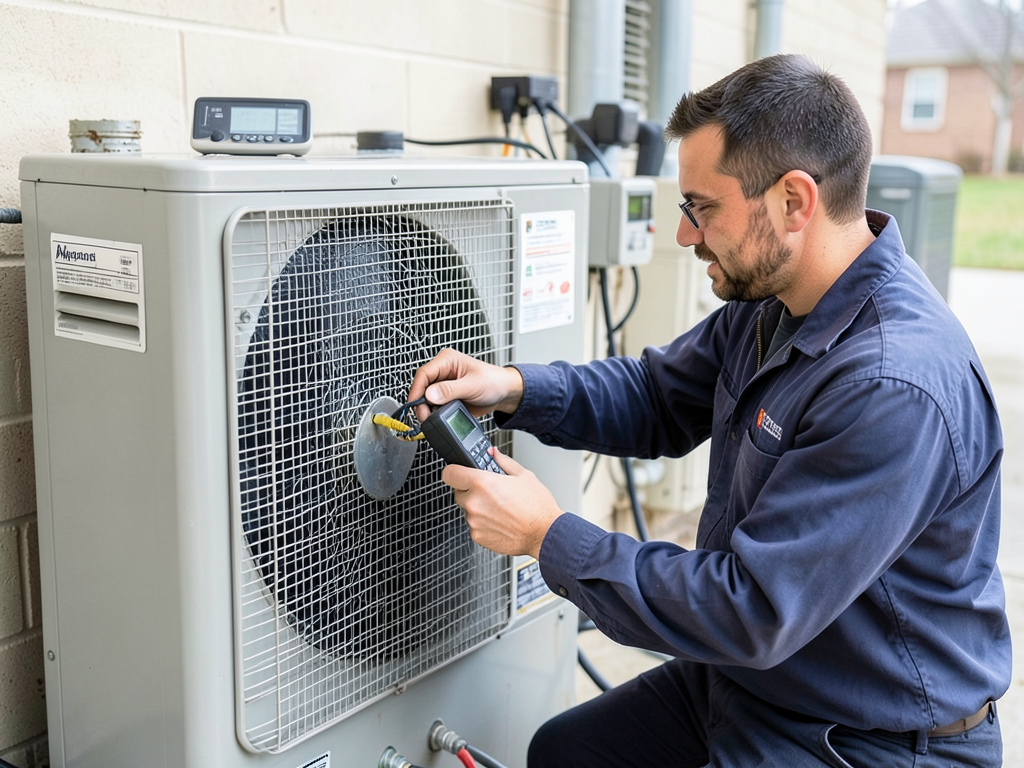
A comprehensive maintenance plan goes far beyond basic filter changes. Professional HVAC technicians perform detailed inspections and adjustments that require specialized tools and expertise most homeowners don’t possess. Here’s what you should expect from a quality maintenance plan in Nashville.
The inspection process starts with safety checks. Technicians verify proper gas pressure, inspect heat exchangers for cracks using infrared cameras, and test electrical connections for resistance that could indicate failing components. They measure amperage draw on motors to identify bearings that are wearing out before they fail completely.
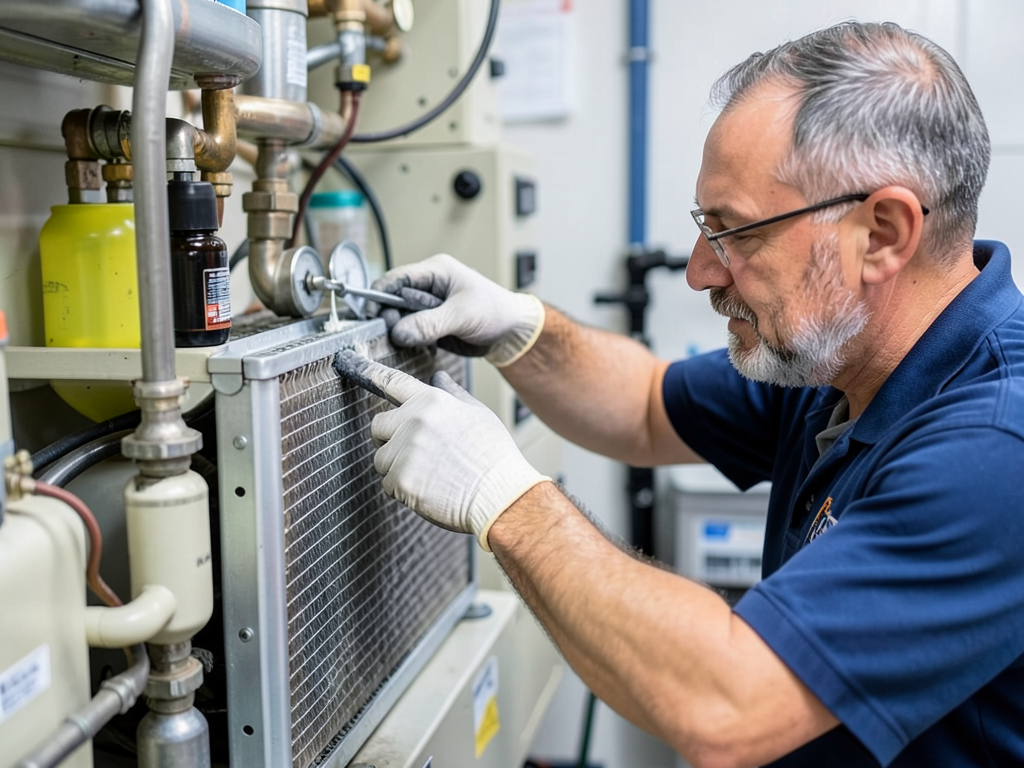
Cleaning procedures address Nashville-specific issues. Condensate drain lines receive biocide treatment to prevent the algae growth common in our limestone-rich water supply. Evaporator and condenser coils get chemical cleaning to remove the mineral deposits left by our hard water. Outdoor units receive corrosion protection treatments that combat the salt air effects from the Gulf of Mexico that reach our area.
Performance testing includes measuring superheat and subcooling on refrigerant systems to ensure optimal efficiency. Technicians check static pressure across the entire system to identify duct restrictions that reduce airflow. They calibrate thermostats for accuracy, often finding units that are off by 2-3 degrees—a significant factor in energy consumption.
Many Nashville-area plans include additional services like duct inspection for leaks, which are common in homes built before 2010 when building codes were less stringent. Some plans offer humidifier maintenance, crucial for managing Nashville’s humidity swings. Others include air quality assessments, checking for proper ventilation rates per ASHRAE Standard 62.2.
The frequency of service matters. Most manufacturers recommend twice-yearly maintenance—once before cooling season and once before heating season. However, Nashville’s extended cooling season means many local experts suggest three visits annually: spring preparation, mid-summer checkup, and fall/winter readiness inspection.
Documentation is another key component. Quality maintenance plans provide detailed reports showing system performance metrics over time, helping you track efficiency trends and predict when replacement might be more cost-effective than continued repairs.
Cost Comparison: One-Time Tune-Ups vs. Maintenance Plans
Understanding the financial implications requires looking at both short-term costs and long-term value. A one-time AC tune-up in Nashville typically costs $150-$250, while a furnace inspection runs $120-$180. These prices don’t include emergency service fees, which can add $100-$200 to any repair call.
Maintenance plans generally range from $250-$500 annually, depending on the scope of services and whether they include both heating and cooling systems. Some companies offer tiered plans starting around $200 for basic coverage and extending to $700+ for premium packages with priority service, repair discounts, and extended warranties.
The break-even analysis becomes clear when you consider repair frequency. Nashville homeowners average 1.5 HVAC repairs every three years, with costs ranging from $300 for minor fixes to over $2,000 for major component replacements. A maintenance plan that prevents just one significant repair can pay for itself within 2-3 years.
Energy savings provide another return on investment. A system operating at peak efficiency uses 15-25% less energy than a neglected unit. For a typical Nashville home spending $200 monthly on cooling during summer, that’s $30-$50 in monthly savings. Over a five-month cooling season, the energy savings alone can offset much of a maintenance plan’s cost.
Consider the hidden costs of system failure. When your AC quits during a July heat wave, you’re not just paying for repairs—you’re dealing with hotel costs, potential water damage from frozen coils thawing, and the stress of finding available technicians when everyone else is experiencing the same problem. Maintenance plans eliminate these cascading expenses.
Many Nashville-area utility companies, including NES, offer rebates for customers who maintain their systems regularly. These programs can provide $50-$100 credits on your bill, effectively reducing the net cost of maintenance. Some manufacturers also extend warranty coverage when you can prove regular professional maintenance.
The age of your system also factors into the decision. Newer systems (under 5 years) benefit most from maintenance plans because they protect your warranty and ensure you get the full expected lifespan. Older systems (7+ years) might be better served by pay-as-you-go service unless you’re planning to keep them for several more years.
Call (615) 552-1922 to get a personalized cost analysis for your specific HVAC system and home.
Energy Efficiency and Utility Savings in Nashville
Energy efficiency isn’t just about saving money—it’s about managing the substantial costs of heating and cooling in Middle Tennessee’s climate. Nashville homeowners spend an average of $2,400 annually on HVAC-related energy costs, with cooling accounting for about 60% of that total during our long, humid summers.
Properly maintained systems can reduce this energy consumption by 15-30%. For a home using 36,000 BTUs per hour for cooling, that translates to approximately 1.5-2.5 fewer kilowatt-hours per hour of operation. Over a typical cooling season with 1,200 operating hours, this adds up to 1,800-3,000 kWh in savings.
Nashville Electric Service’s rate structure includes tiered pricing where electricity costs increase as usage goes up. A system operating inefficiently might push you into higher rate tiers, effectively doubling the cost per kilowatt-hour during peak usage periods. Maintenance keeps your system in lower consumption ranges, avoiding these premium rates.
SEER (Seasonal Energy Efficiency Ratio) ratings degrade over time without maintenance. A 16 SEER unit can drop to 12-13 SEER efficiency within three years without proper care. That’s a 20-25% reduction in cooling output per dollar spent. Regular maintenance preserves your system’s efficiency rating, ensuring you get the performance you paid for when you purchased the equipment.
Beyond the direct energy savings, there are environmental benefits. Tennessee Valley Authority’s energy mix includes coal and natural gas generation, so reducing electricity consumption also reduces carbon emissions. A well-maintained system can prevent approximately 2-3 tons of CO2 emissions annually—equivalent to not driving 5,000 miles in a typical passenger vehicle.
Humidity control also impacts energy costs. When indoor humidity stays above 60%, your body feels warmer, causing you to lower the thermostat setting. This creates a cycle where the AC runs longer but provides less comfort. Maintenance ensures your system properly dehumidifies, allowing you to set higher temperatures without sacrificing comfort.
Many Nashville homeowners don’t realize that duct leaks can waste 20-30% of conditioned air. Maintenance plans often include duct inspection and sealing, which can reduce energy consumption more than any other single improvement. In older Nashville homes, especially those in East Nashville and Sylvan Park, duct sealing can cut energy bills by $30-$50 monthly.
The TVA EnergyRight program offers additional incentives for energy-efficient homes. While not directly tied to maintenance, participating in these programs often requires proof of regular system care, making maintenance plans a gateway to additional savings opportunities.
For homes with smart thermostats, maintenance ensures these devices work optimally. A poorly maintained system can cause smart thermostats to learn incorrect patterns, leading to inefficient operation that the technology was supposed to prevent.
Common HVAC Problems in Nashville Homes
Understanding the specific failures that plague Nashville HVAC systems helps explain why maintenance matters so much in our area. The combination of humidity, temperature extremes, and local water chemistry creates failure patterns unique to Middle Tennessee.
Condensate drain clogs top the list of common problems. Nashville’s limestone-rich water supply leaves mineral deposits that combine with local algae to create stubborn blockages. When these drains clog, water backs up into the system, potentially causing ceiling damage, electrical shorts, and system shutdowns. A simple annual cleaning prevents this $500-$1,000 repair.
Capacitor failures increase dramatically during Nashville’s summer months. Our intense heat, often exceeding 95°F for weeks, causes capacitors to overheat and fail. These components regulate the electrical current to motors, and when they fail, the entire system shuts down. Maintenance includes capacitance testing that can predict failures before they occur.
Refrigerant leaks plague heat pumps and AC units in Nashville due to our freeze-thaw cycles. The expansion and contraction of copper lines creates microscopic cracks that allow refrigerant to escape. Low refrigerant not only reduces cooling capacity but can damage compressors if left unaddressed. Annual pressure testing catches these leaks early.
Electrical connection corrosion affects outdoor units exposed to Nashville’s frequent thunderstorms. Lightning strikes within 10 miles can cause voltage spikes that damage control boards and capacitors. Maintenance includes tightening connections and applying anti-corrosion treatments that extend component life by 2-3 years.
Blower motor failures often result from dirty filters that Nashville homeowners change less frequently than recommended. Our high pollen counts mean filters clog in 30-45 days instead of the standard 90 days. Restricted airflow causes motors to overheat and fail, typically costing $400-$600 to replace.
Heat exchanger cracks pose serious safety risks in gas furnaces. Nashville’s temperature swings cause metal fatigue that can create cracks allowing carbon monoxide to enter living spaces. Professional inspection using combustion analyzers can detect these dangerous conditions before they become life-threatening.
Thermostat malfunctions often go unnoticed but significantly impact comfort and efficiency. Nashville’s rapid weather changes can cause older thermostats to cycle systems improperly, leading to temperature swings of 4-5 degrees. Modern maintenance includes calibration and sometimes recommends smart thermostat upgrades for better control.
Airflow restrictions from dirty evaporator coils reduce system capacity by up to 30%. Nashville’s combination of humidity and pollen creates ideal conditions for coil fouling. Chemical cleaning restores efficiency but requires professional equipment and expertise that goes beyond simple filter changes.
Understanding these common failures helps you appreciate why a maintenance plan’s preventative approach saves money compared to emergency repairs. Each of these problems follows predictable patterns that skilled technicians can identify and address before system failure occurs.
Choosing the Right HVAC Maintenance Plan in Nashville
Not all maintenance plans deliver equal value, and Nashville’s unique conditions mean you need to look beyond basic checklists when selecting a provider. The right plan should address our specific climate challenges while providing genuine peace of mind.
Start by verifying the company’s local experience. Nashville HVAC systems face different stresses than those in other regions, and technicians familiar with our humidity patterns, TVA grid issues, and common local failures provide better service. Look for companies that have operated in Middle Tennessee for at least five years.
Examine the service frequency carefully. While twice-yearly maintenance is standard, Nashville’s extended cooling season often warrants three visits annually. Some plans include mid-season checkups that catch problems before peak heat waves hit. These additional visits can prevent the most common Nashville-specific failures.
Check what’s included in the basic plan versus premium options. Basic plans might cover only inspection and minor adjustments, while premium plans include cleaning, chemical treatments, and repair discounts. For Nashville’s conditions, ensure the plan addresses humidity control, corrosion prevention, and condensate drain maintenance.
Response time guarantees matter in Nashville’s climate. During July and August, HVAC companies can be booked solid for days. Quality maintenance plans should guarantee service within 24-48 hours for plan members, compared to the 3-5 day waits common for non-members during peak season.
Repair discounts can significantly impact overall costs. Many Nashville-area plans offer 10-20% discounts on repairs, which can save hundreds on common fixes like capacitor replacement ($150-$250) or fan motor repair ($300-$500). Calculate whether these discounts justify any premium pricing on the maintenance plan itself.
Warranty coverage often depends on maintenance documentation. Most manufacturers require proof of regular professional maintenance to honor warranty claims. Ensure your plan provides detailed service reports that meet manufacturer requirements, protecting your warranty investment.
Local licensing and insurance verification is crucial. Tennessee requires HVAC contractors to carry specific licenses, and Nashville adds its own permit requirements for certain work. Verify that your maintenance provider meets all local regulatory requirements to avoid liability issues.
Customer service accessibility should be evaluated before committing. Can you reach someone 24/7 for emergencies? Do they service your specific area of Nashville? Some companies have limited coverage areas or restricted weekend availability that could leave you stranded during critical times.
Finally, read reviews specifically about maintenance plan experiences rather than general HVAC service. Look for comments about thoroughness, punctuality, and whether the plan actually prevented problems as promised. Nashville-specific reviews often mention how well technicians handle our humidity and storm-related issues.
Call (615) 552-1922 to discuss which maintenance plan best fits your Nashville home’s specific needs.
Frequently Asked Questions
How often should I have my HVAC system serviced in Nashville?
Most Nashville homeowners need twice-yearly service—once before cooling season and once before heating season. However, due to our extended cooling season and high humidity, many local experts recommend three visits annually: spring preparation, mid-summer checkup, and fall/winter readiness inspection.
What’s the average cost of HVAC maintenance in Nashville?
One-time tune-ups in Nashville typically cost $150-$250 for AC service and $120-$180 for furnace inspection. Annual maintenance plans range from $250-$500, with premium plans offering additional services and benefits reaching $700+ per year.
Can regular maintenance really prevent emergency repairs?
Yes. Professional maintenance identifies worn components, dirty coils, and developing problems before they cause system failures. Nashville homeowners who maintain their systems regularly experience 40-60% fewer emergency repairs than those who skip preventative care.
Does maintenance affect my HVAC warranty?
Most manufacturers require proof of regular professional maintenance to honor warranty claims. Skipping maintenance can void your warranty, potentially costing thousands if major components fail. Quality maintenance plans provide the documentation manufacturers require.
How long does a typical maintenance visit take?
A comprehensive maintenance visit usually takes 60-90 minutes. Technicians perform safety checks, clean components, test system performance, and provide detailed reports. Rushed 15-20 minute visits often miss developing problems that lead to future failures.
Should I sign up for a maintenance plan or just pay for service as needed?
This depends on your system’s age, your risk tolerance, and your budget preferences. Maintenance plans provide predictable costs, priority service, and potential energy savings. Pay-as-you-go service offers flexibility but can cost more during peak seasons when emergency rates apply.
What certifications should I look for in an HVAC maintenance provider?
Look for NATE (North American Technician Excellence) certification, which indicates advanced technical knowledge. Also verify Tennessee HVAC contractor licensing and proper insurance coverage. Local experience with Nashville’s specific climate challenges is equally important. For more information, visit Metro Nashville government.