
Is a Solar-Ready HVAC System Actually Worth the Investment for Your 12 South Home?
Living in 12 South means dealing with Nashville’s notorious humidity and summer heat waves that can push your AC to its limits. A solar-ready HVAC system combines high-efficiency heating and cooling with the option to add solar panels later, potentially cutting your energy bills while reducing your carbon footprint. The real question isn’t whether these systems work—it’s whether the upfront cost makes sense for your specific home and energy needs in this historic neighborhood. ENERGY STAR certified air conditioners.
Before you decide, you need to understand how Nashville’s climate affects system performance, what local incentives are available, and whether your 12 South bungalow or craftsman home can actually support the technology. Let’s break down the facts so you can make an informed decision. Nashville AC Repair Companies That Actually Answer the Phone on Weekends.
How Solar-Ready HVAC Systems Perform in Nashville’s Climate
Nashville’s humid subtropical climate creates unique challenges for HVAC systems. Summer humidity often exceeds 70%, and we get about 4.5 peak sun hours daily—enough for solar to make a real impact but not as consistent as desert regions. A solar-ready system in 12 South needs to handle both the heat load and moisture control. The Best High Efficiency HVAC Systems for Luxury Homes in Brentwood.
Modern solar-ready units use variable-speed compressors that adjust output based on demand. This matters in 12 South where homes range from 1920s craftsman bungalows to newer infill construction. The variable-speed technology provides better humidity control by running longer at lower speeds rather than cycling on and off.
During Nashville’s frequent summer thunderstorms, these systems maintain comfort without the temperature swings you get from single-stage units. The key metric is SEER2 rating—current minimum is 14 SEER2, but solar-ready high-efficiency units often rate 18-21 SEER2, meaning significantly lower energy consumption. Storm Damage HVAC Repair.
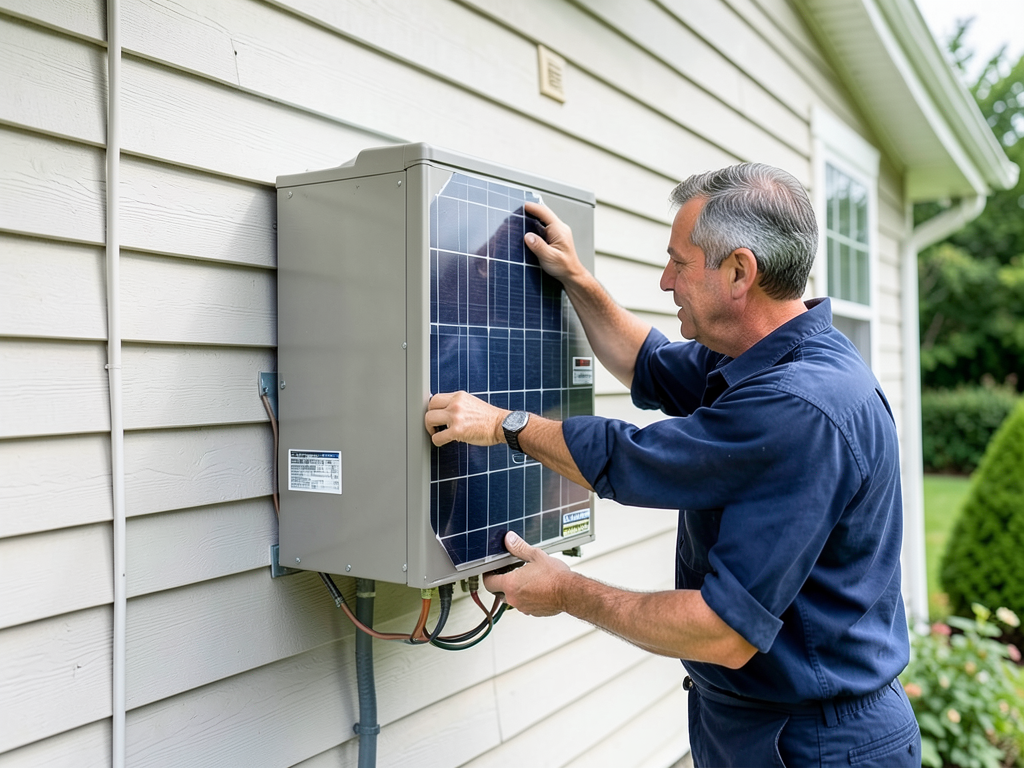
Technician installing a solar-ready HVAC unit on a 12 South craftsman home, showing proper mounting and electrical connections
Financial Incentives That Make Solar-Ready Systems More Affordable
The federal solar tax credit currently allows you to deduct 30% of your solar installation costs from your federal taxes. For a typical 5kW solar array added to a solar-ready HVAC system, that’s roughly $4,500 back in your pocket. But that’s just the start.
Nashville Electric Service offers net metering, letting you sell excess power back to the grid at retail rates. During our long cooling season, a solar-ready system with panels can actually produce a credit on your bill during mild months. The TVA Green Connect program also provides additional rebates for qualifying solar installations. Why Your Green Hills Home Needs a Heating Tune Up Before the First Freeze.
Davidson County offers property tax exemptions for solar installations, meaning your home’s value increase from adding solar won’t trigger higher property taxes. For 12 South homes, where property values are already premium, this protection is significant.
| Incentive Type | Potential Savings | Eligibility Requirements |
|---|---|---|
| Federal Solar Tax Credit | 30% of installation costs | Own the system, owe federal taxes |
| TVA Green Connect | $500-$1,000 rebate | TVA territory, certified installer |
| NES Net Metering | Monthly bill credits | NES customer, grid-tied system |
| Davidson County Tax Exemption | 100% property tax exemption | Residential solar installation |
Installation Considerations for 12 South Historic Homes
Many 12 South homes were built before modern HVAC standards, which creates both challenges and opportunities. The narrow lots and mature tree canopy that give the neighborhood character can limit roof space for solar panels. However, the architectural style often means excellent roof orientation for solar gain.
Before installation, a proper load calculation following Manual J standards is essential. Nashville’s humidity means you need about 15% more cooling capacity than dry climates. For a typical 12 South home between 1,500-2,500 square feet, that usually means a 2.5-4 ton system. Heating and Cooling Historic Germantown Homes Without Bulky Ductwork.
Mount Juliet’s clay soil conditions don’t affect 12 South installations since we’re in the limestone-rich area near the Cumberland River. But the mature trees do create shade considerations. A site assessment using a solar pathfinder tool will identify optimal panel placement and whether trimming is needed.
Historic district regulations in 12 South require that any exterior modifications maintain the neighborhood’s character. Solar panels must be installed flush with the roof pitch, and equipment pads need screening. These requirements actually work in your favor by ensuring professional, clean installations.

Before and after comparison of a solar-ready HVAC installation on a 12 South craftsman home, showing discreet panel placement and screened equipment
Real Energy Savings Numbers for Middle Tennessee Homes
Homeowners in 12 South typically see 40-60% reduction in cooling costs after installing solar-ready systems with panels. For a 2,000 square foot home running the AC 7 months per year, that’s $600-$900 annually at current NES rates.
The breakeven period depends on your energy usage patterns. If you work from home and run the AC during peak hours (2-6 PM), solar provides maximum benefit when electricity costs are highest. The TVA time-of-use rates mean power can cost 30% more during peak periods.
Battery backup systems add $5,000-$8,000 but provide storm resilience—critical in Nashville where summer thunderstorms often cause brief power outages. A properly sized battery can keep your HVAC running for 8-12 hours during an outage.
Maintenance costs for solar-ready systems are actually lower than conventional units. The variable-speed technology reduces wear on components, and most manufacturers offer 10-12 year warranties on the inverter and compressor—double the standard warranty period.
Common Questions About Solar-Ready HVAC in Nashville
Many 12 South homeowners worry about whether solar panels will damage their historic home’s roof. The truth is modern mounting systems distribute weight across rafters and actually protect the roof underneath. Most installations can be completed in 2-3 days with minimal disruption.
Another concern is whether Nashville gets enough sun for solar to be worthwhile. While we don’t have Arizona’s 6+ peak sun hours, our long cooling season means air conditioning runs 7-8 months annually. This extended usage period actually makes solar more cost-effective here than in cooler climates.
Some homeowners ask if they need to replace their entire system to go solar-ready. The answer is no—many existing high-efficiency units can be retrofitted with solar inverters and controls. However, units older than 10 years often benefit from full replacement due to efficiency gains.
The biggest misconception is that solar means going off-grid. In reality, net metering makes grid connection essential. Your system will still pull from the grid at night and during cloudy periods, but the overall consumption drops dramatically.
Is Now the Right Time to Invest?
Energy costs in Middle Tennessee have increased 15% over the past three years, and NES rates are projected to rise another 8% by 2027. This trend makes solar-ready systems more attractive each year. Additionally, current federal incentives are set to step down after 2032.
Financing options have also improved. Many local credit unions offer green energy loans with 5-7 year terms and rates under 6%. Some manufacturers provide 0% financing for 12 months, allowing you to experience the savings before paying the full cost.
The best time to install is actually during the off-season (October-March) when HVAC contractors have more availability and often offer installation discounts. Planning your installation during these months means your system is ready before next summer’s heat waves hit.
12 South’s community focus on sustainability means your investment also contributes to neighborhood resilience. Multiple solar installations create a microgrid effect, reducing strain on the NES grid during peak demand periods.
Technician using a digital manifold gauge to verify refrigerant charge and system performance on a newly installed solar-ready HVAC unit
Take the Next Step Toward Energy Independence
Ready to see if a solar-ready HVAC system makes sense for your 12 South home? The first step is a professional energy audit to determine your actual cooling needs and roof suitability. This assessment is free and takes about an hour.
During the audit, we’ll use thermal imaging to identify heat loss areas, measure your current system’s efficiency, and evaluate your roof’s solar potential. You’ll receive a customized report showing potential savings, payback period, and available incentives specific to your home.
Call (615) 552-1922 today to schedule your no-obligation energy assessment. Our Nashville-based team has installed over 500 solar-ready systems in Middle Tennessee and understands the unique challenges of historic homes in 12 South.
Don’t wait until summer heat waves hit and energy prices climb higher. Take control of your energy costs now and join the growing number of 12 South homeowners enjoying comfortable, efficient, and sustainable cooling.
Frequently Asked Questions
How long does a solar-ready HVAC system last compared to conventional units?
Solar-ready systems typically last 15-20 years, similar to conventional units. However, the variable-speed technology often results in less wear and tear, potentially extending the system’s effective life beyond that of single-stage units.
Will adding solar panels increase my homeowner’s insurance costs?
Most insurance companies treat solar panels as permanent home improvements. While your policy limits may need adjustment, many homeowners see little to no increase in premiums, especially considering the added home value and storm protection from modern mounting systems.
Can I add solar panels to my existing HVAC system later?
Yes, if you install a solar-ready unit now, adding panels later is straightforward. The system comes pre-wired for solar integration, and most installations can add panels without replacing the HVAC unit. However, waiting means missing out on current incentives. For more information, visit Database of State Incentives for Renewables & Efficiency.
{
“@context”: “https://schema.org”,
“@type”: “BlogPosting”,
“headline”: “Is a Solar-Ready HVAC System Actually Worth the Investment for Your 12 South Home?”,
“description”: “Discover if solar-ready HVAC systems make sense for 12 South homes. Learn about Nashville’s climate, incentives, and real energy savings from Middle Tennessee’s experts.”,
“wordCount”: 1586,
“datePublished”: “2026-05-22T07:08:00.000Z”,
“dateModified”: “2026-05-22T07:08:00.000Z”,
“inLanguage”: “en-US”,
“mainEntityOfPage”: {
“@type”: “WebPage”,
“@id”: “https://alphahvacnashville.com”
},
“publisher”: {
“@type”: “LocalBusiness”,
“name”: “Alpha HVAC Nashville”,
“url”: “https://alphahvacnashville.com”
},
“author”: {
“@type”: “Organization”,
“name”: “Alpha HVAC Nashville”,
“url”: “https://alphahvacnashville.com”
},
“image”: {
“@type”: “ImageObject”,
“url”: “https://alphahvacnashville.com/wp-content/uploads/2026/03/is-a-solar-ready-hvac-system-actually-worth-the-in-1.png”
}
}
{
“@context”: “https://schema.org”,
“@type”: “HVACBusiness”,
“name”: “Alpha HVAC Nashville”,
“url”: “https://alphahvacnashville.com”,
“address”: {
“@type”: “PostalAddress”,
“addressLocality”: “Nashville”
},
“areaServed”: {
“@type”: “City”,
“name”: “Nashville”
}
}
{
“@context”: “https://schema.org”,
“@type”: “FAQPage”,
“mainEntity”: [
{
“@type”: “Question”,
“name”: “Is Now the Right Time to Invest?”,
“acceptedAnswer”: {
“@type”: “Answer”,
“text”: “Energy costs in Middle Tennessee have increased 15% over the past three years, and NES rates are projected to rise another 8% by 2027. This trend makes solar-ready systems more attractive each year. Additionally, current federal incentives are set to step down after 2032.”
}
},
{
“@type”: “Question”,
“name”: “How long does a solar-ready HVAC system last compared to conventional units?”,
“acceptedAnswer”: {
“@type”: “Answer”,
“text”: “Solar-ready systems typically last 15-20 years, similar to conventional units. However, the variable-speed technology often results in less wear and tear, potentially extending the system’s effective life beyond that of single-stage units.”
}
},
{
“@type”: “Question”,
“name”: “Will adding solar panels increase my homeowner’s insurance costs?”,
“acceptedAnswer”: {
“@type”: “Answer”,
“text”: “Most insurance companies treat solar panels as permanent home improvements. While your policy limits may need adjustment, many homeowners see little to no increase in premiums, especially considering the added home value and storm protection from modern mounting systems.”
}
},
{
“@type”: “Question”,
“name”: “Can I add solar panels to my existing HVAC system later?”,
“acceptedAnswer”: {
“@type”: “Answer”,
“text”: “Yes, if you install a solar-ready unit now, adding panels later is straightforward. The system comes pre-wired for solar integration, and most installations can add panels without replacing the HVAC unit. However, waiting means missing out on current incentives. For more information, visit Database of State Incentives for Renewables & Efficiency.”
}
}
]
}
{
“@context”: “https://schema.org”,
“@type”: “BreadcrumbList”,
“itemListElement”: [
{
“@type”: “ListItem”,
“position”: 1,
“name”: “Home”,
“item”: “https://alphahvacnashville.com”
},
{
“@type”: “ListItem”,
“position”: 2,
“name”: “Blog”,
“item”: “https://alphahvacnashville.com/blog”
},
{
“@type”: “ListItem”,
“position”: 3,
“name”: “Is a Solar-Ready HVAC System Actually Worth the Investment for Your 12 South Home?”
}
]
}
{
“@context”: “https://schema.org”,
“@type”: “Service”,
“serviceType”: “HVAC”,
“provider”: {
“@type”: “LocalBusiness”,
“name”: “Alpha HVAC Nashville”,
“url”: “https://alphahvacnashville.com”
},
“areaServed”: {
“@type”: “City”,
“name”: “Nashville”
},
“description”: “Discover if solar-ready HVAC systems make sense for 12 South homes. Learn about Nashville’s climate, incentives, and real energy savings from Middle Tennessee’s experts.”
}