
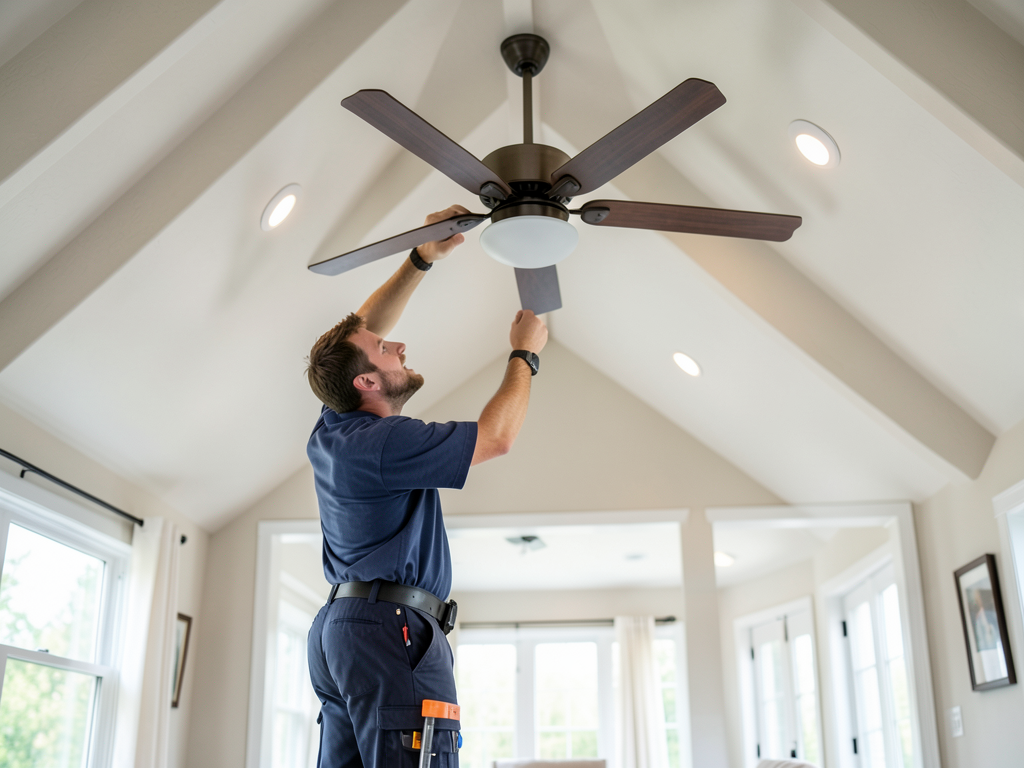
Improving air circulation in classic Bordeaux ranch homes with vaulted ceilings
Classic Bordeaux ranch homes in Nashville feature beautiful open floor plans and soaring vaulted ceilings, but these architectural elements often create significant air circulation challenges. The spacious great rooms and high ceilings that make these homes so appealing can trap hot air in summer and create cold pockets in winter, leading to uncomfortable temperature variations and higher energy bills. Nashville AC Repair Companies That Actually Answer the Phone on Weekends.
The vaulted ceiling design common in Bordeaux ranches creates a unique HVAC challenge. Hot air naturally rises and collects at the ceiling level, leaving the living space below feeling stuffy while the upper air remains unused. This stratification effect is particularly pronounced in Nashville’s humid subtropical climate, where summer temperatures regularly exceed 90°F with humidity levels above 70%.
Improving air circulation in these homes requires understanding the specific airflow dynamics of ranch-style layouts. The long, sprawling footprint means air must travel greater distances from the HVAC unit, and vaulted ceilings add another layer of complexity. Without proper air movement strategies, homeowners experience hot spots near windows, cold zones near exterior walls, and overall discomfort despite having a properly sized HVAC system.
Effective solutions combine proper equipment selection with strategic airflow management. High-efficiency variable-speed blowers, smart zoning systems, and ceiling fans work together to create consistent temperatures throughout these unique spaces. The key is moving air vertically to break up stratification while also ensuring adequate horizontal distribution across the entire floor plan. The Best High Efficiency HVAC Systems for Luxury Homes in Brentwood.
Local building codes in Davidson County require specific considerations for vaulted ceiling installations. The Metro Nashville Energy Conservation Code mandates minimum insulation levels and proper ventilation strategies for these architectural features. Working with an HVAC contractor familiar with these requirements ensures your system meets both comfort and compliance standards.
Understanding your home’s specific challenges is the first step toward better air circulation. Factors like the age of your home, existing ductwork configuration, and the orientation of your vaulted ceilings all impact airflow patterns. A professional assessment can identify problem areas and recommend targeted solutions that work with your home’s architecture rather than against it.
Common air circulation problems in Bordeaux ranch homes
The most frequent complaint from Bordeaux ranch homeowners involves uneven temperatures throughout their living spaces. The combination of vaulted ceilings and long floor plans creates natural airflow obstacles that standard HVAC systems struggle to overcome.
Hot air naturally accumulates near the peak of vaulted ceilings, creating a temperature differential of 8-12°F between floor level and ceiling height. This stratification means your thermostat, typically mounted at 5 feet, reads one temperature while your living space experiences something entirely different. HVAC Mount Juliet.
Long duct runs in ranch homes create another significant challenge. Air traveling 30-40 feet from the HVAC unit loses velocity and temperature, resulting in weak airflow at the farthest registers. This problem is compounded in homes with slab foundations, where ductwork must travel through unconditioned spaces.
Windows and exterior walls create additional thermal loads that disrupt airflow patterns. Large picture windows common in ranch designs allow solar heat gain, while exterior walls conduct heat in summer and cold in winter. These temperature variations create convection currents that interfere with your HVAC system’s designed airflow.
Air circulation issues often manifest as specific symptoms. You might notice your upstairs feels 5-8°F warmer than downstairs in summer, or that certain rooms never seem to reach the set temperature. These problems indicate your system is struggling to move air effectively throughout your home’s unique architecture.
Strategic solutions for vaulted ceiling air movement
Improving air circulation in vaulted ceiling spaces requires a multi-faceted approach that addresses both vertical and horizontal airflow patterns. The goal is to break up temperature stratification while ensuring adequate air movement throughout the entire living space.
High-volume, low-speed fans (HVLS) mounted at the peak of vaulted ceilings can move massive amounts of air without creating uncomfortable drafts. These industrial-grade fans, typically 6-8 feet in diameter, gently circulate air from ceiling to floor, breaking up temperature stratification and improving overall comfort.
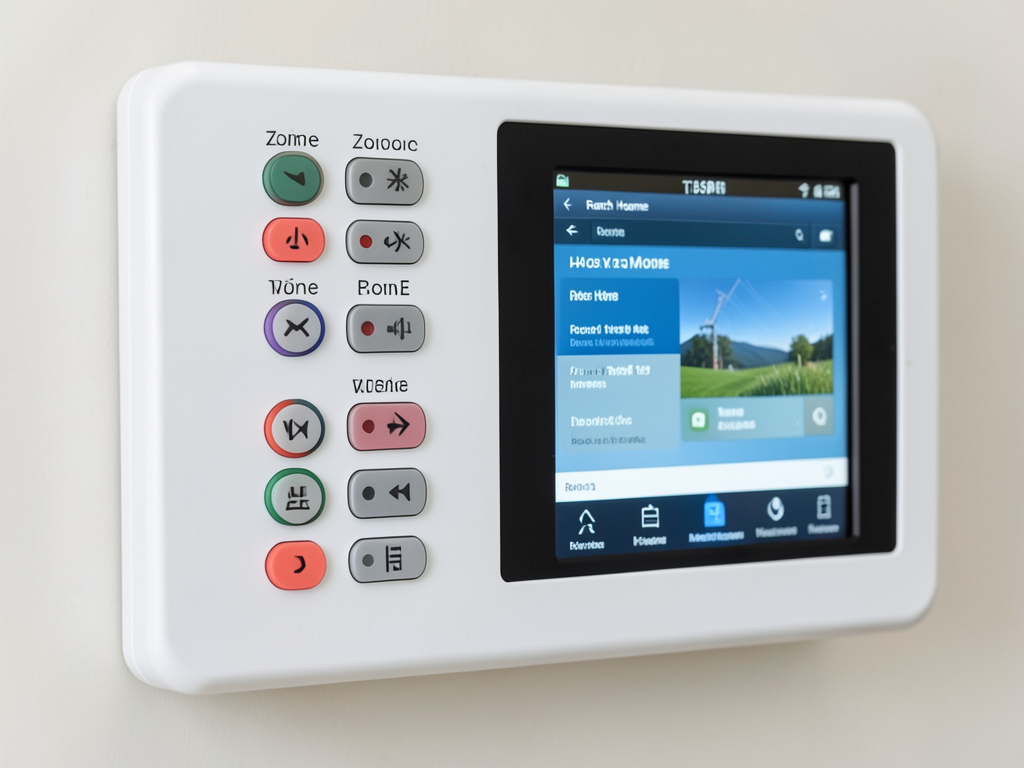
Smart zoning systems allow you to control different areas of your home independently. For Bordeaux ranches with vaulted great rooms, a dedicated zone for the open living space ensures proper airflow where you need it most. This prevents the HVAC system from short-cycling when trying to condition the entire house based on one thermostat location.
Variable-speed air handlers provide another layer of control. Unlike single-speed units that operate at full capacity or not at all, variable-speed systems can adjust their output to match your home’s exact needs. This allows for continuous, gentle air movement that maintains consistent temperatures without the temperature swings of traditional systems.
Ceiling fans, when used correctly, can significantly improve air circulation in vaulted spaces. The key is selecting fans with sufficient blade span (typically 60-84 inches for great rooms) and mounting them at the proper height. Fans should be set to rotate counterclockwise in summer to create a cooling breeze and clockwise in winter to push warm air down from the ceiling. Heating and Cooling Historic Germantown Homes Without Bulky Ductwork.
Strategic register placement can also improve airflow in vaulted spaces. Floor registers near exterior walls and ceiling returns at the peak of vaulted areas create natural convection patterns that work with your home’s architecture. This approach requires careful planning but can dramatically improve comfort in challenging spaces.
Equipment upgrades for better air circulation
Modern HVAC equipment offers significant improvements in air circulation capabilities compared to systems installed even 10-15 years ago. These upgrades can transform the comfort of your Bordeaux ranch home while reducing energy consumption.
High-efficiency air handlers with ECM (electronically commutated motor) technology provide superior airflow control. These motors can operate across a wide range of speeds, allowing your system to deliver exactly the right amount of air for current conditions. The result is better temperature control and reduced energy consumption.
Variable refrigerant flow (VRF) systems offer another advanced solution for challenging floor plans. These systems use multiple indoor units connected to a single outdoor unit, allowing for precise temperature control in different zones. For Bordeaux ranches with vaulted ceilings, VRF systems can provide targeted conditioning to problem areas without affecting the entire home.
Whole-home dehumidifiers address Nashville’s notorious humidity while improving air circulation. By removing excess moisture from the air, these systems make your home feel cooler at higher temperatures. This allows you to set your thermostat higher in summer while maintaining comfort, reducing the load on your air conditioning system.
Smart thermostats with remote sensors provide better control over your home’s temperature. By placing sensors in problem areas rather than relying on a single thermostat location, you can ensure your system responds to actual conditions throughout your home rather than just near the thermostat.
Air purification systems with built-in fans can supplement your HVAC system’s air movement. These units, particularly those with HEPA filtration, not only improve indoor air quality but also provide additional air circulation in specific areas where you need it most.. Read more about Dealing with ghosting and those weird dark streaks on your walls and ceilings.
Design considerations for new installations
When installing new HVAC equipment in a Bordeaux ranch home, several design factors can significantly impact air circulation performance. Understanding these considerations helps ensure your new system addresses the unique challenges of your home’s architecture.
Duct sizing and layout are critical for proper airflow. Undersized ducts create excessive static pressure, reducing airflow and system efficiency. For vaulted ceiling spaces, larger trunk lines and carefully sized branch ducts ensure adequate air delivery to all areas of your home.
Return air placement significantly affects system performance. Multiple return air locations, particularly in vaulted spaces, allow your system to pull air from throughout the home rather than just near the thermostat. This improves overall circulation and prevents pressure imbalances that can reduce efficiency.
Insulation and air sealing work hand-in-hand with your HVAC system to maintain comfort. Proper insulation in vaulted ceiling spaces prevents heat gain in summer and heat loss in winter, while air sealing eliminates drafts that can disrupt airflow patterns. Both measures reduce the load on your HVAC system.
Equipment location can impact both performance and noise levels. For slab foundation homes, placing the air handler in a conditioned attic space often provides the best balance of efficiency and noise control. This location minimizes duct runs while keeping equipment out of living spaces.
Modern building codes require specific considerations for vaulted ceiling installations. The International Residential Code (IRC) Section M1601.1 mandates minimum duct insulation levels and proper sealing techniques. Compliance with these requirements ensures your system operates efficiently and safely. International Residential Code requirements.
Maintenance strategies for optimal air circulation
Regular maintenance is essential for maintaining optimal air circulation in homes with vaulted ceilings and complex floor plans. Simple maintenance tasks can prevent many common airflow problems and extend the life of your HVAC equipment.
Air filter replacement is the most important maintenance task for maintaining good airflow. Dirty filters restrict air movement, forcing your system to work harder and reducing its ability to circulate air effectively. For homes with vaulted ceilings, this restriction can lead to increased temperature stratification and comfort issues.
Duct cleaning removes dust, debris, and even mold that can accumulate in your ductwork over time. This buildup restricts airflow and can introduce contaminants into your living space. Professional duct cleaning every 3-5 years helps maintain optimal air circulation, particularly in homes with vaulted ceilings where air movement is already challenged.
Blower wheel cleaning is another critical maintenance task that many homeowners overlook. Dust and debris accumulation on the blower wheel can reduce its efficiency by 30% or more, significantly impacting your system’s ability to move air. This cleaning should be performed by a professional during annual maintenance visits.
Register and grille cleaning ensures unobstructed airflow from your supply ducts. Vacuuming these components and ensuring they’re not blocked by furniture or drapes allows your system to deliver air where it’s needed most. For vaulted ceiling spaces, this means keeping ceiling registers clear of decorations and ensuring proper air discharge.
Thermostat calibration ensures your system responds appropriately to actual conditions. A thermostat that reads incorrectly can cause your system to cycle too frequently or not often enough, both of which impact air circulation. Professional calibration during maintenance visits ensures accurate temperature control.
Energy efficiency and cost considerations
Improving air circulation in Bordeaux ranch homes often leads to significant energy savings. Better airflow means your HVAC system doesn’t have to work as hard to maintain comfortable temperatures, reducing both energy consumption and utility bills.
High-efficiency equipment with variable-speed technology can reduce energy consumption by 30-40% compared to older single-speed systems. This efficiency gain is particularly noticeable in homes with vaulted ceilings, where the improved air movement allows for more consistent temperatures throughout the living space.
Zoning systems, while requiring an initial investment, can provide substantial long-term savings. By conditioning only the areas you’re using, zoning prevents wasted energy on unoccupied spaces. For Bordeaux ranches with vaulted great rooms, a dedicated zone for the main living area ensures efficient operation without affecting the entire home.
Smart thermostats with learning capabilities can optimize your system’s operation based on your schedule and preferences. These devices can reduce energy consumption by 10-15% while improving comfort by ensuring your home is properly conditioned when you need it and conserving energy when you don’t.
Proper maintenance is one of the most cost-effective ways to improve air circulation and system efficiency. Regular filter changes, annual professional maintenance, and prompt repairs when issues arise prevent the energy waste that comes from poorly operating equipment.
Many utility companies offer rebates for high-efficiency HVAC equipment and smart thermostats. The Tennessee Valley Authority (TVA) provides incentives for energy-efficient upgrades through its EnergyRight program, which can offset the initial cost of improving your home’s air circulation system. TVA EnergyRight program.
Local considerations for Nashville homeowners
Nashville’s unique climate and building practices create specific considerations for improving air circulation in Bordeaux ranch homes. Understanding these local factors helps ensure your solutions are appropriate for our region’s conditions.
Middle Tennessee’s high humidity levels, particularly during summer months, make proper dehumidification essential for comfort. Homes with vaulted ceilings often experience higher humidity levels due to the increased air volume and potential for condensation on cool surfaces. Addressing humidity is as important as addressing temperature for overall comfort.
Spring storm season in Nashville can impact HVAC performance and air circulation. Power surges from lightning strikes can damage system controls, while fallen trees can block outdoor units. Having a surge protector installed and ensuring proper clearance around your equipment helps maintain reliable operation during severe weather. Storm Damage HVAC Repair.
Local building practices in Nashville often result in specific architectural features that affect air circulation. Many Bordeaux ranches built in the 1970s and 1980s feature cathedral ceilings with limited insulation, creating additional thermal challenges. Understanding these construction methods helps identify the most effective solutions for your home.
Davidson County’s building codes include specific requirements for vaulted ceiling installations. The Metro Nashville Energy Conservation Code mandates minimum insulation levels and proper ventilation strategies for these architectural features. Working with a contractor familiar with these local requirements ensures your system meets both comfort and compliance standards.
TVA’s EnergyRight program provides rebates for high-efficiency HVAC equipment and smart thermostats. These incentives can significantly reduce the cost of upgrading your system to improve air circulation. Many local HVAC contractors are familiar with these programs and can help you take advantage of available rebates.
Professional assessment and system design
A professional assessment is the first step toward improving air circulation in your Bordeaux ranch home. Experienced HVAC technicians can identify specific problems and recommend targeted solutions that address your home’s unique challenges.
Manual J load calculations ensure your system is properly sized for your home’s specific needs. This detailed analysis considers factors like square footage, ceiling height, insulation levels, window orientation, and local climate conditions. Proper sizing is essential for effective air circulation and energy efficiency.
Duct design and layout significantly impact system performance. Professional duct design ensures adequate air delivery to all areas of your home while minimizing pressure losses that can reduce efficiency. For vaulted ceiling spaces, this might include larger trunk lines or additional return air locations.
Airflow testing and balancing ensure your system delivers the right amount of air to each room. This process involves measuring airflow at each register and adjusting dampers to achieve the desired distribution. For homes with vaulted ceilings, this might mean increasing airflow to upper-level spaces to overcome temperature stratification.
System commissioning verifies that your new equipment operates as designed. This process includes checking refrigerant charge, verifying electrical connections, testing safety controls, and confirming proper airflow. Professional commissioning ensures your system delivers optimal performance from day one.
Ongoing support and maintenance from your HVAC contractor help maintain system performance over time. Regular service visits can identify developing issues before they impact comfort, while prompt repairs keep your system operating at peak efficiency.
Frequently Asked Questions
How much does it cost to improve air circulation in a Bordeaux ranch home?
Costs vary widely depending on your specific needs and the solutions you choose. Simple improvements like ceiling fans might cost $500-1,000, while comprehensive system upgrades with zoning can range from $5,000-15,000. A professional assessment can provide accurate estimates based on your home’s unique requirements.
Will ceiling fans really help with vaulted ceiling air circulation?
Yes, ceiling fans can significantly improve comfort in vaulted spaces by breaking up temperature stratification. For great rooms with 12-foot or higher ceilings, choose fans with 60-84 inch blade spans and mount them at least 8-9 feet above the floor for optimal performance.
How often should I have my HVAC system serviced for optimal air circulation?
Professional maintenance should be performed twice yearly – once in spring before cooling season and once in fall before heating season. This schedule ensures your system operates efficiently year-round and helps identify potential air circulation issues before they impact comfort.
Can I install zoning in my existing HVAC system?
Many existing systems can be retrofitted with zoning controls, though the feasibility depends on your current equipment and ductwork configuration. A professional assessment can determine whether zoning is practical for your home and what modifications might be needed.
How do I know if my air circulation problems are due to my HVAC system or my home’s design?
Common signs of HVAC-related air circulation issues include uneven temperatures, weak airflow from registers, and rooms that never reach the set temperature. However, architectural features like vaulted ceilings and long floor plans can also create natural airflow challenges. A professional assessment can identify the specific causes of your comfort issues.
What’s the best way to control humidity in a home with vaulted ceilings?
A whole-home dehumidifier working in conjunction with your air conditioning system provides the most effective humidity control. These units can remove 70-100 pints of moisture per day, significantly improving comfort in Nashville’s humid climate while reducing the load on your air conditioning system.
How long does it take to install a new HVAC system with improved air circulation features?
Most residential HVAC installations take 1-3 days, depending on the complexity of the work. Zoning systems and equipment upgrades may require additional time for wiring and control installation. Your contractor can provide a specific timeline based on your home’s requirements.
Will improving air circulation reduce my energy bills?
Yes, better air circulation typically leads to energy savings of 15-30% by allowing your system to operate more efficiently. Improved airflow means your system doesn’t have to work as hard to maintain comfortable temperatures, reducing both energy consumption and utility costs.
What maintenance tasks can I perform myself to improve air circulation?
Homeowners can replace air filters monthly, keep registers and returns clear of obstructions, vacuum accessible ductwork and grilles, and ensure outdoor units have proper clearance. These simple tasks help maintain optimal airflow between professional service visits.
How do I choose the right HVAC contractor for vaulted ceiling homes?
Look for contractors with specific experience in homes similar to yours, proper licensing and insurance, good local references, and a willingness to perform detailed load calculations and system design. Ask about their experience with vaulted ceiling installations and air circulation solutions.
[IMAGE_PLACEHOVER_1] – Diagram showing proper air movement patterns in a vaulted ceiling space with high-volume fans and return air locations
– Photo of a professional HVAC technician performing airflow testing with an anemometer at ceiling registers
– Before and after comparison of a zoned HVAC system installation in a Bordeaux ranch home with improved temperature distribution
Take the next step toward better home comfort
Improving air circulation in your Bordeaux ranch home with vaulted ceilings is an investment in your family’s comfort and your home’s energy efficiency. The right solutions can eliminate hot spots, reduce humidity, and create consistent temperatures throughout your living space.
Don’t let architectural challenges compromise your comfort. Our team of experienced HVAC professionals understands the unique needs of Nashville’s classic ranch homes and can design solutions that work with your home’s architecture rather than against it.
Call (615) 552-1922 today to schedule your professional assessment. We’ll evaluate your current system, identify air circulation problems, and recommend targeted solutions that fit your home and budget. Our NATE-certified technicians use the latest diagnostic tools to ensure accurate assessments and effective solutions.
Pick up the phone and call (615) 552-1922 before the next heat wave hits. Better air circulation means better comfort, lower energy bills, and a more enjoyable living space for you and your family. We’re ready to help you breathe easier in your Bordeaux ranch home.
{
“@context”: “https://schema.org”,
“@type”: “BlogPosting”,
“headline”: “Improving air circulation in classic Bordeaux ranch homes with vaulted ceilings”,
“description”: “Struggling with hot spots in your Bordeaux ranch home? Discover HVAC solutions for vaulted ceilings, zoning systems, and humidity control in Nashville’s climate.”,
“wordCount”: 3272,
“datePublished”: “2026-06-04T15:03:00.000Z”,
“dateModified”: “2026-06-04T15:03:00.000Z”,
“inLanguage”: “en-US”,
“mainEntityOfPage”: {
“@type”: “WebPage”,
“@id”: “https://alphahvacnashville.com”
},
“publisher”: {
“@type”: “LocalBusiness”,
“name”: “Alpha HVAC Nashville”,
“url”: “https://alphahvacnashville.com”
},
“author”: {
“@type”: “Organization”,
“name”: “Alpha HVAC Nashville”,
“url”: “https://alphahvacnashville.com”
},
“image”: {
“@type”: “ImageObject”,
“url”: “https://alphahvacnashville.com/wp-content/uploads/2026/03/improving-air-circulation-in-classic-bordeaux-ranc-1.png”
}
}
{
“@context”: “https://schema.org”,
“@type”: “HVACBusiness”,
“name”: “Alpha HVAC Nashville”,
“url”: “https://alphahvacnashville.com”,
“address”: {
“@type”: “PostalAddress”,
“addressLocality”: “Nashville”
},
“areaServed”: {
“@type”: “City”,
“name”: “Nashville”
}
}
{
“@context”: “https://schema.org”,
“@type”: “FAQPage”,
“mainEntity”: [
{
“@type”: “Question”,
“name”: “How much does it cost to improve air circulation in a Bordeaux ranch home?”,
“acceptedAnswer”: {
“@type”: “Answer”,
“text”: “Costs vary widely depending on your specific needs and the solutions you choose. Simple improvements like ceiling fans might cost $500-1,000, while comprehensive system upgrades with zoning can range from $5,000-15,000. A professional assessment can provide accurate estimates based on your home’s unique requirements.”
}
},
{
“@type”: “Question”,
“name”: “Will ceiling fans really help with vaulted ceiling air circulation?”,
“acceptedAnswer”: {
“@type”: “Answer”,
“text”: “Yes, ceiling fans can significantly improve comfort in vaulted spaces by breaking up temperature stratification. For great rooms with 12-foot or higher ceilings, choose fans with 60-84 inch blade spans and mount them at least 8-9 feet above the floor for optimal performance.”
}
},
{
“@type”: “Question”,
“name”: “How often should I have my HVAC system serviced for optimal air circulation?”,
“acceptedAnswer”: {
“@type”: “Answer”,
“text”: “Professional maintenance should be performed twice yearly – once in spring before cooling season and once in fall before heating season. This schedule ensures your system operates efficiently year-round and helps identify potential air circulation issues before they impact comfort.”
}
},
{
“@type”: “Question”,
“name”: “Can I install zoning in my existing HVAC system?”,
“acceptedAnswer”: {
“@type”: “Answer”,
“text”: “Many existing systems can be retrofitted with zoning controls, though the feasibility depends on your current equipment and ductwork configuration. A professional assessment can determine whether zoning is practical for your home and what modifications might be needed.”
}
},
{
“@type”: “Question”,
“name”: “How do I know if my air circulation problems are due to my HVAC system or my home’s design?”,
“acceptedAnswer”: {
“@type”: “Answer”,
“text”: “Common signs of HVAC-related air circulation issues include uneven temperatures, weak airflow from registers, and rooms that never reach the set temperature. However, architectural features like vaulted ceilings and long floor plans can also create natural airflow challenges. A professional assessment can identify the specific causes of your comfort issues.”
}
},
{
“@type”: “Question”,
“name”: “What’s the best way to control humidity in a home with vaulted ceilings?”,
“acceptedAnswer”: {
“@type”: “Answer”,
“text”: “A whole-home dehumidifier working in conjunction with your air conditioning system provides the most effective humidity control. These units can remove 70-100 pints of moisture per day, significantly improving comfort in Nashville’s humid climate while reducing the load on your air conditioning system.”
}
},
{
“@type”: “Question”,
“name”: “How long does it take to install a new HVAC system with improved air circulation features?”,
“acceptedAnswer”: {
“@type”: “Answer”,
“text”: “Most residential HVAC installations take 1-3 days, depending on the complexity of the work. Zoning systems and equipment upgrades may require additional time for wiring and control installation. Your contractor can provide a specific timeline based on your home’s requirements.”
}
},
{
“@type”: “Question”,
“name”: “Will improving air circulation reduce my energy bills?”,
“acceptedAnswer”: {
“@type”: “Answer”,
“text”: “Yes, better air circulation typically leads to energy savings of 15-30% by allowing your system to operate more efficiently. Improved airflow means your system doesn’t have to work as hard to maintain comfortable temperatures, reducing both energy consumption and utility costs.”
}
},
{
“@type”: “Question”,
“name”: “What maintenance tasks can I perform myself to improve air circulation?”,
“acceptedAnswer”: {
“@type”: “Answer”,
“text”: “Homeowners can replace air filters monthly, keep registers and returns clear of obstructions, vacuum accessible ductwork and grilles, and ensure outdoor units have proper clearance. These simple tasks help maintain optimal airflow between professional service visits.”
}
},
{
“@type”: “Question”,
“name”: “How do I choose the right HVAC contractor for vaulted ceiling homes?”,
“acceptedAnswer”: {
“@type”: “Answer”,
“text”: “Look for contractors with specific experience in homes similar to yours, proper licensing and insurance, good local references, and a willingness to perform detailed load calculations and system design. Ask about their experience with vaulted ceiling installations and air circulation solutions.”
}
}
]
}
{
“@context”: “https://schema.org”,
“@type”: “BreadcrumbList”,
“itemListElement”: [
{
“@type”: “ListItem”,
“position”: 1,
“name”: “Home”,
“item”: “https://alphahvacnashville.com”
},
{
“@type”: “ListItem”,
“position”: 2,
“name”: “Blog”,
“item”: “https://alphahvacnashville.com/blog”
},
{
“@type”: “ListItem”,
“position”: 3,
“name”: “Improving air circulation in classic Bordeaux ranch homes with vaulted ceilings”
}
]
}
{
“@context”: “https://schema.org”,
“@type”: “Service”,
“serviceType”: “HVAC”,
“provider”: {
“@type”: “LocalBusiness”,
“name”: “Alpha HVAC Nashville”,
“url”: “https://alphahvacnashville.com”
},
“areaServed”: {
“@type”: “City”,
“name”: “Nashville”
},
“description”: “Struggling with hot spots in your Bordeaux ranch home? Discover HVAC solutions for vaulted ceilings, zoning systems, and humidity control in Nashville’s climate.”
}