
Finding the exact age of your HVAC unit is simpler than you might think. The serial number on your system holds the key to knowing when it was manufactured. This matters in Nashville because Tennessee’s humid subtropical climate can shorten equipment lifespan compared to national averages. Nashville AC Repair Companies That Actually Answer the Phone on Weekends.
Most manufacturers embed the manufacture date directly in the serial number using specific patterns. Once you know how to read it, you can determine if your system is approaching the typical 15-20 year lifespan for Middle Tennessee homes. This knowledge helps you plan for replacements before emergency breakdowns occur during Nashville’s extreme summer heat or winter cold snaps.. Read more about Hidden HVAC problems to look for before buying an older home in West Meade.
Step 1: Locate the manufacturer’s nameplate
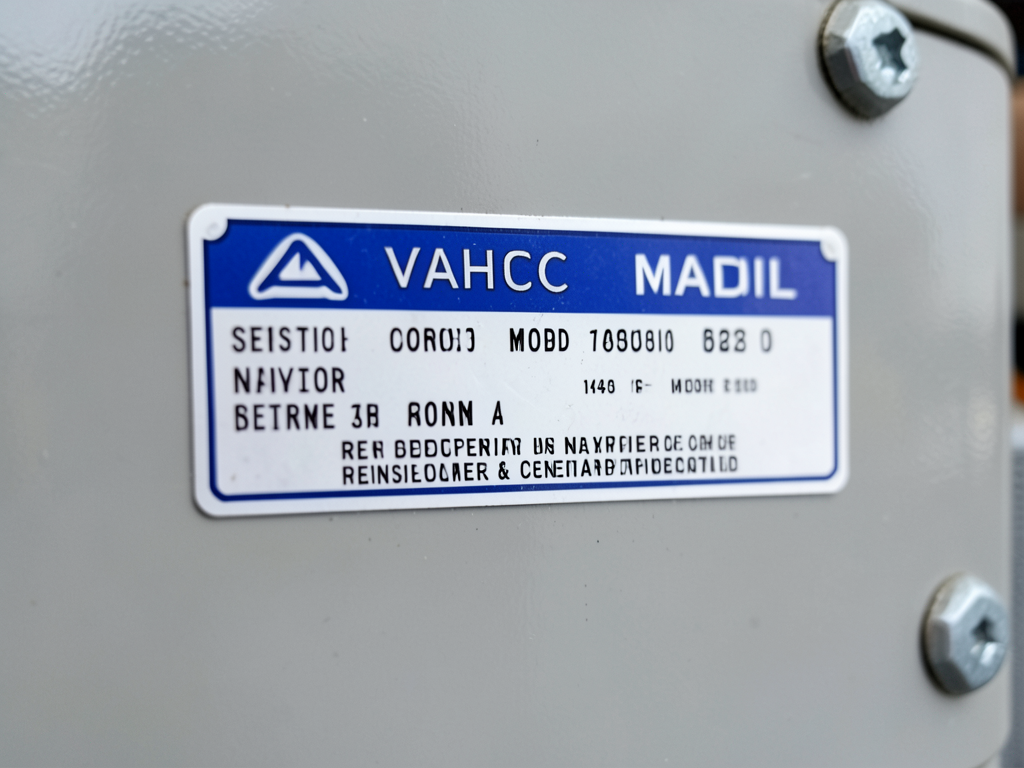
Every HVAC unit has a metal nameplate attached somewhere on the equipment. On outdoor condensers, look for a sticker or metal plate mounted on the side panel. For indoor air handlers, check the upper-right corner of the front panel or inside the service compartment.
The nameplate contains critical information including the model number, serial number, BTU capacity, and electrical specifications. In Nashville homes, you’ll typically find nameplates on Rheem, Trane, Carrier, and Goodman equipment. The serial number is usually a combination of letters and numbers, often 10-12 characters long.
Pro tip: Take a clear photo of the nameplate with your phone before attempting to decode it. This prevents misreading numbers in tight spaces or poor lighting conditions common in attics and crawl spaces throughout Middle Tennessee.
Step 2: How to decode the serial number
Manufacturers use different serial number formats to encode the manufacture date. The most common pattern places the year and week of manufacture in the first four digits. For example, a serial starting with 1234 typically means manufactured in the 34th week of 2012.
Some brands use WWYY format (week-year) while others use YYWW (year-week). A few manufacturers include the month as a letter in the middle of the sequence. Here’s what to look for:
- Numbers 01-52 usually indicate the week of the year
- Numbers 00-99 in the first two positions often represent the year
- Letters like A, B, C can represent months in some systems
If you’re unsure about the format, most major brands provide online lookup tools or you can call a local Nashville HVAC professional with the serial number for quick decoding.
Brand-specific cheat sheet
Different manufacturers encode dates differently. Here’s how to decode the most common brands found in Nashville homes:
| Brand | Serial Format | Decode Example |
|---|---|---|
| Carrier | First 4 digits: YYWW | 1234 = 34th week of 2012 |
| Trane | First 2 digits: YY | 12xxxx = 2012 |
| Goodman | First 4 digits: WWYY | 0412 = 4th week of 2012 |
| Rheem/Ruud | First 4 digits: WWYY | 0312 = 3rd week of 2012 |
| Lennox | First 4 digits: YYWW | 1234 = 34th week of 2012 |
| York | First 4 digits: WWYY | 0512 = 5th week of 2012 |
Nashville’s humidity and temperature swings can cause corrosion patterns that make serial numbers harder to read over time. If the plate is damaged or faded, a professional can often identify the unit by model number and physical characteristics. Storm Damage HVAC Repair.
Average HVAC lifespan in Middle Tennessee
The typical HVAC system lasts 15-20 years nationally, but Nashville’s climate often reduces this to 12-17 years. High humidity accelerates corrosion on coils and electrical components. The clay soil common in Middle Tennessee areas like Hermitage and Donelson can cause foundation settling that strains refrigerant lines.
Summer temperatures regularly exceeding 90°F with 70%+ humidity force systems to run longer cycles. This increased runtime means more wear on compressors and motors. Winter brings its own challenges with freeze-thaw cycles that can stress outdoor units. The Best High Efficiency HVAC Systems for Luxury Homes in Brentwood.
Units near the Cumberland River or in flood-prone zones like parts of Antioch face additional moisture exposure. Salt air from coastal storms occasionally reaches Middle Tennessee, contributing to accelerated corrosion on outdoor components.
Physical signs of aging to watch for
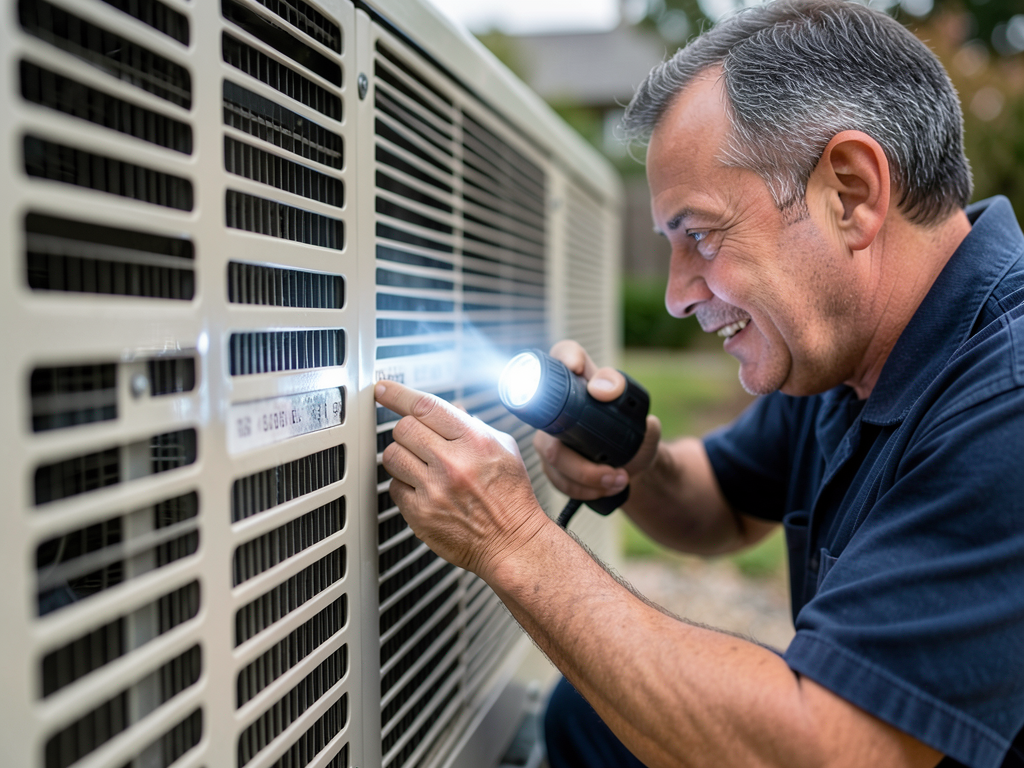
Beyond the manufacture date, several physical indicators suggest your system is nearing replacement age. Listen for unusual noises like grinding or squealing from the outdoor fan motor. These sounds often indicate failing bearings that will soon require replacement.
Check for oil stains around refrigerant line connections. These leaks become more common as units age past 12 years. Feel the outdoor coil – if it’s heavily corroded with white or green deposits, the unit has experienced significant environmental stress. Why Your Green Hills Home Needs a Heating Tune Up Before the First Freeze.
Inspect the electrical disconnect box for scorched terminals or melted plastic. Nashville’s lightning frequency means surge damage becomes more likely in older units. If you see rust-through on the condenser cabinet, the structural integrity is compromised.
Watch for short cycling – when the system turns on and off rapidly without completing a full cooling cycle. This behavior often indicates failing capacitors or control boards in units over 10 years old. Heating and Cooling Historic Germantown Homes Without Bulky Ductwork.
When to repair vs. replace
The “5,000 Rule” helps Nashville homeowners decide between repairing and replacing. Multiply the repair cost by the unit’s age in years. If the result exceeds $5,000, replacement is usually the better financial decision.. Read more about How the Inflation Reduction Act helps you save thousands on a new HVAC in Nolensville.
For example, a 12-year-old unit needing $400 in repairs gives you 12 x 400 = $4,800. Since this is under $5,000, repair might make sense. But a 15-year-old unit with $600 in repairs equals $9,000 – replacement is the clear choice.
Consider these Nashville-specific factors: TVA EnergyRight rebates often cover 30% of replacement costs for units with SEER2 ratings of 16+. New systems use environmentally friendly refrigerants that are becoming mandatory as older R-22 units phase out. TVA EnergyRight Rebates.
Energy costs in Middle Tennessee average 12-15 cents per kWh. A 15-year-old 10 SEER unit costs significantly more to operate than a new 16 SEER2 system. The efficiency difference can save $300-500 annually on utility bills.. Read more about What the new SEER2 efficiency standards actually mean for Nashville homeowners.
Installation date vs. manufacture date
The manufacture date tells you when the unit was built, but the installation date determines when it actually started serving your home. A unit manufactured in December might sit in a warehouse until April installation, giving you an extra 4 months of potential lifespan.
Check your home purchase documents for HVAC installation records. Many Nashville homes built in the 1990s and early 2000s have original equipment still running. These systems often exceed their expected lifespan but operate at poor efficiency levels.
If you inherited a system with your home purchase, the serial number is your only reliable age indicator. Don’t assume a clean-looking unit is new – corrosion can be hidden beneath panels, and electrical components degrade even when protected from weather.
Local incentives for aging units
Middle Tennessee homeowners replacing units over 12 years old may qualify for multiple incentives. TVA EnergyRight offers rebates up to $650 for qualifying high-efficiency replacements. Nashville Electric Service provides additional rebates for customers in Davidson County.
The federal ENERGY STAR program offers tax credits for qualifying HVAC replacements. These credits can cover 30% of installation costs up to $1,200 for qualifying equipment installed in 2026.
Local utility providers sometimes offer low-interest financing for energy-efficient upgrades. These programs can make replacing an aging unit more affordable than continuing to repair an inefficient system.
Call for professional assessment
While serial number decoding gives you the manufacture date, a professional inspection reveals the true condition of your system. Nashville HVAC technicians can test refrigerant levels, check electrical components, and assess overall efficiency during a single visit.
Call (615) 552-1922 today to schedule your inspection. Our technicians will decode your serial number, evaluate your system’s condition, and provide honest recommendations about whether repair or replacement makes the most sense for your Nashville home.
Don’t wait for a complete system failure during a July heatwave or January cold snap. Knowing your unit’s exact age helps you plan upgrades on your schedule, not during emergency conditions when contractors are busiest.
Frequently Asked Questions
Can I find the age without the serial number?
Without the serial number, determining exact age is difficult. You might estimate based on the home’s construction date or visible wear patterns, but these methods are unreliable. The serial number provides definitive manufacturing information.
What if the nameplate is missing or damaged?
If the nameplate is missing, a professional can often identify the unit by model number and physical characteristics. Some manufacturers keep records by model number. In Nashville, local HVAC companies familiar with regional equipment can make educated estimates based on installation patterns.
Does the installation date affect the manufacture date?
Yes, the installation date is crucial. A unit manufactured in December but installed in April has effectively aged less than one installed immediately. The manufacture date plus any storage time gives you the true system age.
How does Nashville’s climate affect HVAC lifespan?
Nashville’s high humidity and temperature extremes accelerate wear on HVAC components. Systems here typically last 12-17 years versus 15-20 years in milder climates. Humidity causes more corrosion, while temperature swings stress electrical components.
Are older units worth repairing?
Units over 12 years old often cost more to repair than replace when considering efficiency losses. A new system can pay for itself through energy savings within 5-7 years, especially with current utility rebates available to Nashville homeowners. For more information, visit U.S. Department of Energy HVAC Guide.
You may also find this helpful. Understanding Your HVAC Warranty so You Don’t Get Stuck With an Unexpected Bill.