
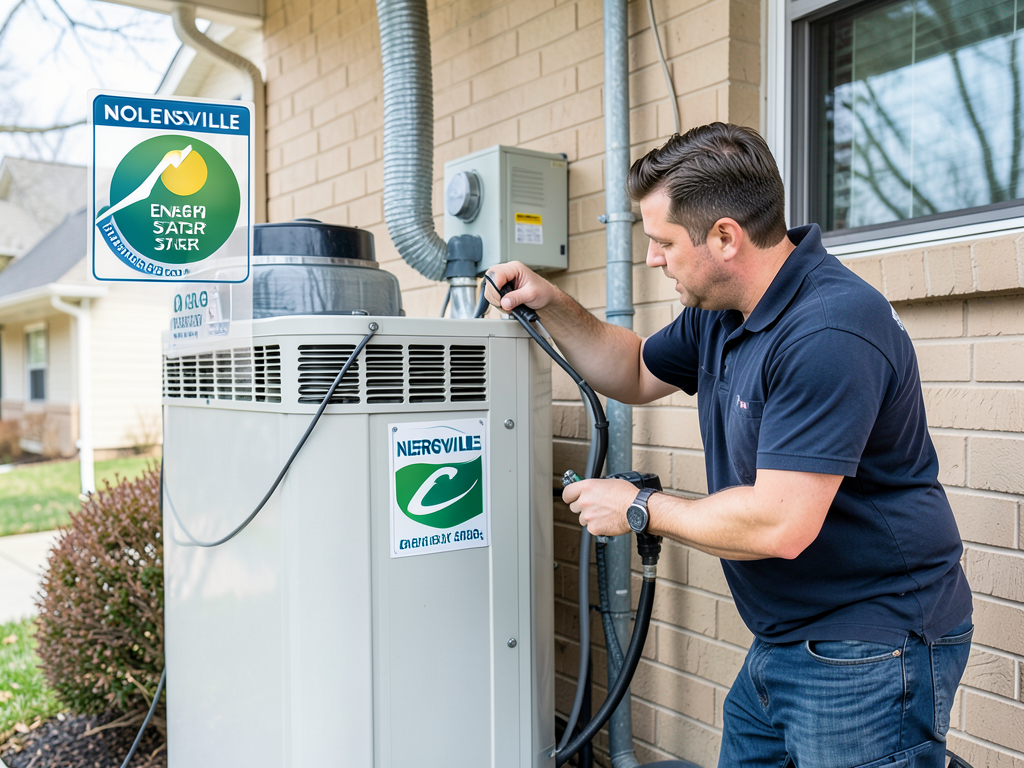
How the Inflation Reduction Act helps you save thousands on a new HVAC in Nolensville
The Inflation Reduction Act of 2022 created tax credits and rebates that can save Nolensville homeowners thousands on a new HVAC system. You can claim up to $2,000 in federal tax credits for qualifying heat pumps plus additional instant rebates through TVA EnergyRight and Middle Tennessee Electric Membership Corporation programs. These incentives stack together potentially cutting your total system cost by 30-40% when you install qualifying high-efficiency equipment in 2024 or 2025. TVA EnergyRight rebates.
Nolensville’s humid subtropical climate means your HVAC system runs nearly year-round. The federal 25C tax credit covers 30% of installation costs up to $2,000 for qualifying heat pumps that meet Energy Star Version 6.1 standards. Local utility programs offer instant rebates at the point of sale so you save money before you even file taxes. Understanding these programs and their requirements can help you make the most of available savings.
Federal Tax Credits Under the Inflation Reduction Act
The federal government offers substantial tax credits through Section 25C of the Inflation Reduction Act for energy-efficient home improvements. These credits apply to your 2024 and 2025 tax returns and can significantly reduce the net cost of your new HVAC system.
Heat Pump Tax Credit Details
You can claim 30% of the installation cost for qualifying heat pumps up to $2,000 maximum credit per year. The equipment must meet Energy Star Version 6.1 certification and have specific efficiency ratings. For Southeast climate zone 3A which includes Nolensville heat pumps need a minimum SEER2 rating of 15 and HSPF2 rating of 8.5 to qualify. The Best High Efficiency HVAC Systems for Luxury Homes in Brentwood.
The credit applies to both the equipment and installation labor costs. You can claim this credit year after year for different improvements but the $2,000 annual limit remains fixed. If your system costs $6,500 installed you could claim the full $2,000 credit on your next tax return. Getting Your AC Fixed Fast in East Nashville When the Summer Heat Hits.
Other HVAC Equipment Credits
Central air conditioners and natural gas furnaces also qualify for smaller credits. You can claim 30% of costs up to $600 for qualifying central AC units and $600 for high-efficiency gas furnaces. These credits have the same Energy Star Version 6.1 requirements and apply to both equipment and installation.
Heat pumps remain the most valuable option since they provide both heating and cooling in one system. In Nolensville’s climate modern heat pumps efficiently handle winter temperatures while providing superior summer cooling compared to traditional AC units. Heating and Cooling Historic Germantown Homes Without Bulky Ductwork.
TVA EnergyRight and Middle Tennessee Electric Membership Corporation Rebates
TVA EnergyRight partners with local power companies to offer instant rebates that reduce your upfront costs. These rebates apply at the point of sale through participating contractors so you save money immediately rather than waiting for tax season.
TVA EnergyRight Heat Pump Rebates
TVA EnergyRight offers $300 instant rebates for qualifying heat pumps installed by participating contractors. The equipment must meet minimum efficiency standards of SEER2 15 and HSPF2 8.5. This rebate applies whether you’re replacing an existing system or installing in new construction.
Many Nashville-area contractors including Alpha HVAC are TVA EnergyRight partners. They handle all the rebate paperwork and apply the discount directly to your invoice. You don’t need to submit any forms or wait for checks in the mail. Nashville AC Repair Companies That Actually Answer the Phone on Weekends.
Middle Tennessee Electric Membership Corporation Additional Incentives
Middle Tennessee Electric Membership Corporation offers additional rebates for high-efficiency HVAC equipment. MTEMC provides up to $400 for qualifying heat pumps and $200 for central air conditioners. These rebates stack with TVA EnergyRight incentives for even greater savings. MTEMC rebates.
To qualify for MTEMC rebates your system must meet specific efficiency thresholds. Heat pumps need SEER2 ratings of 16 or higher and HSPF2 ratings of 9.0 or higher. MTEMC also offers rebates for smart thermostats and other energy-saving devices that work with your new system.
Eligibility Requirements and Documentation
Understanding eligibility requirements helps ensure you qualify for all available incentives. Most programs have specific equipment standards and installation requirements that must be met.
Equipment Certification Requirements
All qualifying equipment must be Energy Star Version 6.1 certified. This means the system has been tested and verified to meet specific efficiency standards. Your contractor should provide certification documentation showing the exact model numbers and efficiency ratings.
For heat pumps in Tennessee’s climate zone you need minimum SEER2 15 and HSPF2 8.5 ratings for federal credits. TVA EnergyRight and MTEMC may have slightly different requirements often requiring higher efficiency levels for their maximum rebates. Variable-speed compressors typically qualify for the highest incentives since they provide better humidity control in Nolensville’s climate.
Installation and Documentation Requirements
Your system must be installed by a licensed HVAC contractor in Tennessee. DIY installations or work by unlicensed individuals do not qualify for any incentives. The contractor must provide detailed invoices showing equipment costs labor charges and efficiency ratings.
For federal tax credits you’ll need to keep all documentation including the contractor’s invoice equipment certification sheets and payment receipts. You claim these credits using IRS Form 5695 when filing your annual tax return. The IRS may request this documentation if they audit your return. IRS Form 5695.
Primary Residence Requirements
Most tax credits and rebates apply only to your primary residence in the United States. Second homes rental properties and commercial buildings have different incentive programs. You must own the property where the equipment is installed and use it as your main home for at least part of the year.
Some utility rebates may have additional requirements like being a current customer or having the property within their service area. MTEMC rebates require you to be a Middle Tennessee Electric Membership Corporation customer while TVA EnergyRight rebates apply to all TVA service areas including Nolensville.
How to Claim Your Tax Credits and Rebates
The process for claiming incentives varies between federal tax credits and instant utility rebates. Understanding the steps helps ensure you receive all available savings.
Instant Utility Rebates Process
When you work with a participating contractor like Alpha HVAC the rebate process is simple. Your contractor verifies your equipment qualifies then applies the rebate discount directly to your invoice. You pay the reduced amount upfront and don’t need to handle any paperwork. HVAC Mount Juliet.
TVA EnergyRight and MTEMC rebates typically take 2-4 weeks to process after installation. Your contractor submits the required documentation to the utility company. You’ll receive confirmation once the rebate is approved and applied to your account.
Federal Tax Credit Process
Claiming federal tax credits requires more documentation but follows a straightforward process. After your installation keep all receipts invoices and certification documents. When filing your 2024 or 2025 taxes complete IRS Form 5695 and attach it to your return.
You’ll need to provide the equipment manufacturer model number and cost information. The IRS may request supporting documentation so keep everything for at least three years after filing. If you owe less in taxes than your credit amount you can carry forward the remaining credit to future tax years.
Working with a Qualified Contractor
Choosing a contractor who understands all incentive programs is crucial for maximizing savings. They should know the specific requirements for each program and help you select qualifying equipment. A qualified contractor will handle utility rebate paperwork and provide all necessary documentation for tax credits.
Ask potential contractors about their experience with incentive programs. Do they participate in TVA EnergyRight? Are they familiar with MTEMC rebates? Can they provide documentation for federal tax credits? Their answers will indicate whether they can help you navigate the complex incentive landscape.
Nolensville-Specific HVAC Considerations
Nolensville’s location in Williamson County affects both equipment selection and available incentives. Understanding local factors helps you make the best choice for your home and budget.
Climate Impact on Equipment Selection
Nolensville experiences hot humid summers and mild winters typical of Middle Tennessee. Heat pumps work exceptionally well here since they handle both heating and cooling efficiently. Modern variable-speed heat pumps provide superior humidity control compared to traditional AC units which is crucial for comfort in our climate.
The area’s clay soil can affect foundation stability and may impact where outdoor equipment can be placed. Local building codes in Williamson County may have specific requirements for equipment placement and noise levels. Your contractor should understand these local factors when designing your system.
Local Utility Service Areas
Nolensville residents may receive power from different providers depending on their exact location. Some areas are served by Middle Tennessee Electric Membership Corporation rather than Nashville Electric Service. MTEMC has its own rebate programs that may differ from NES incentives.
Check which utility serves your address before selecting equipment. If you’re in an MTEMC area you’ll need to work with contractors familiar with their specific rebate programs. The good news is that federal tax credits apply regardless of your local utility provider.
Comparing Total Costs and Savings
Understanding the full financial picture helps you make informed decisions about your HVAC investment. The right combination of equipment and incentives can make high-efficiency systems surprisingly affordable.
Sample Cost Comparison
Consider a typical 2,000-square-foot home in Nolensville needing a complete system replacement. A standard 14 SEER heat pump might cost $5,500 installed. A high-efficiency 18 SEER variable-speed model could cost $7,200 installed but qualify for more incentives.
With federal tax credits and utility rebates your net cost for the standard system might be $4,100. The high-efficiency system could cost $4,800 after all incentives. The $700 difference buys you better humidity control lower utility bills and longer equipment life.
Long-Term Operating Costs
High-efficiency equipment often pays for itself through lower utility bills over time. In Nolensville’s climate a variable-speed heat pump can reduce cooling costs by 20-30% compared to standard equipment. Over a 15-year system life these savings can exceed the initial price difference.
Better humidity control also means you can set your thermostat slightly higher in summer while maintaining comfort. This further reduces energy consumption and extends the life of your system by reducing run time and wear on components.
Getting Started with Your HVAC Project
The first step toward maximizing your savings is getting a professional assessment of your home’s needs. A qualified contractor can evaluate your current system identify problems and recommend the best solution for your specific situation.
Initial Consultation Process
During your initial consultation the contractor should assess your home’s size insulation levels and existing ductwork. They’ll calculate your heating and cooling loads to determine the proper system size. This process called a Manual J calculation ensures you get equipment sized correctly for your home.
The contractor should also discuss your budget comfort preferences and any indoor air quality concerns. They can then recommend specific equipment options and explain which incentive programs each qualifies for. This information helps you make informed decisions about your investment.
Scheduling Your Installation
Once you’ve selected your equipment the contractor will schedule your installation. Most complete system replacements take 1-2 days depending on the complexity of your home and whether any ductwork modifications are needed. The contractor should handle all utility rebate paperwork and provide documentation for your tax credit.
After installation you’ll receive detailed invoices and certification documents. Keep these records for your tax filing and in case you need to reference them later. Your contractor should also provide information about your system’s warranty coverage and maintenance requirements.
Frequently Asked Questions
Can I combine federal tax credits with utility rebates?
Yes you can stack federal tax credits with TVA EnergyRight and MTEMC rebates. The federal credit applies to your tax return while utility rebates reduce your upfront costs. This combination provides maximum savings on your HVAC investment.
What if I don’t owe enough taxes to use the full credit?
You can carry forward unused tax credits to future tax years. The credit doesn’t expire as long as the program remains active. If you owe $1,000 in taxes but have a $2,000 credit you can use $1,000 this year and $1,000 next year.
Do I need a new system to qualify for incentives?
No you can qualify for incentives when replacing an existing system. However the new equipment must meet current efficiency standards. Some programs may offer additional incentives for replacing very old inefficient equipment.
How long do these incentive programs last?
Federal tax credits are currently available through 2032 though the exact amounts and requirements may change. TVA EnergyRight and MTEMC rebates are offered annually but can change or end without notice. It’s best to take advantage of these programs while they’re available.
Should I wait for better incentives next year?
Don’t wait if your current system is failing or inefficient. The cost of emergency repairs and high utility bills often exceeds the value of waiting for potential future incentives. Plus incentive programs can change or end unexpectedly.
What documentation do I need to keep?
Keep all invoices receipts equipment certification documents and the contractor’s detailed proposal. You’ll need these for your tax credit and in case of an IRS audit. Store these documents with your tax records for at least three years.
Can I install the equipment myself to save money?
No DIY installations do not qualify for any incentives. All work must be performed by a licensed HVAC contractor in Tennessee. Professional installation ensures your system works correctly and maintains warranty coverage.
Next Steps for Nolensville Homeowners
The Inflation Reduction Act and local utility programs create a unique opportunity to upgrade your HVAC system while saving thousands of dollars. These incentives make high-efficiency equipment more affordable than ever providing better comfort and lower utility bills for years to come.
Don’t let confusion about incentives prevent you from taking advantage of these savings. A qualified HVAC contractor can help you navigate the requirements and select equipment that maximizes your benefits. The sooner you start the process the sooner you can enjoy improved comfort and lower energy costs.
Ready to learn how much you can save on a new HVAC system? Call (615) 552-1922 today to schedule your free consultation. Our team understands all available incentives and can help you choose the perfect system for your Nolensville home while maximizing your savings through federal tax credits and local utility rebates.
Don’t wait until your old system fails on the hottest day of summer. Contact us now to explore your options and lock in current incentive rates before programs change. Your comfortable efficient home is just a phone call away.
You may also find this helpful. Knowing when a cracked heat exchanger means you need a new furnace immediately.