
Essential Furnace Safety Tips to Keep Your Family Safe from Carbon Monoxide in Inglewood
Carbon monoxide poses a silent threat to Nashville families especially in older Inglewood homes where aging furnaces can develop dangerous cracks. Your family’s safety depends on understanding the risks recognizing warning signs and taking proactive steps to prevent CO leaks before they become emergencies. Nashville AC Repair Companies That Actually Answer the Phone on Weekends.
Middle Tennessee’s humid climate creates unique challenges for furnace systems. The combination of temperature swings and moisture accelerates corrosion in heat exchangers making older units particularly vulnerable to developing cracks that allow deadly carbon monoxide to escape into living spaces. The Best High Efficiency HVAC Systems for Luxury Homes in Brentwood.
Understanding Carbon Monoxide and Furnace Risks
Carbon monoxide forms when fuel burns incompletely in your furnace. The gas has no color no odor and no taste making it impossible to detect without proper equipment. When heat exchangers crack or ventilation systems fail CO can seep into your home creating a life-threatening situation.. Read more about Why does my Nashville furnace smell like it is burning the first time I turn it on?.
Modern furnaces burn natural gas propane or oil to create heat. During normal operation combustion gases vent safely outside through flue pipes. However when components fail these toxic gases can backdraft into your living space putting everyone at risk.
Common Causes of CO Leaks in Nashville Homes
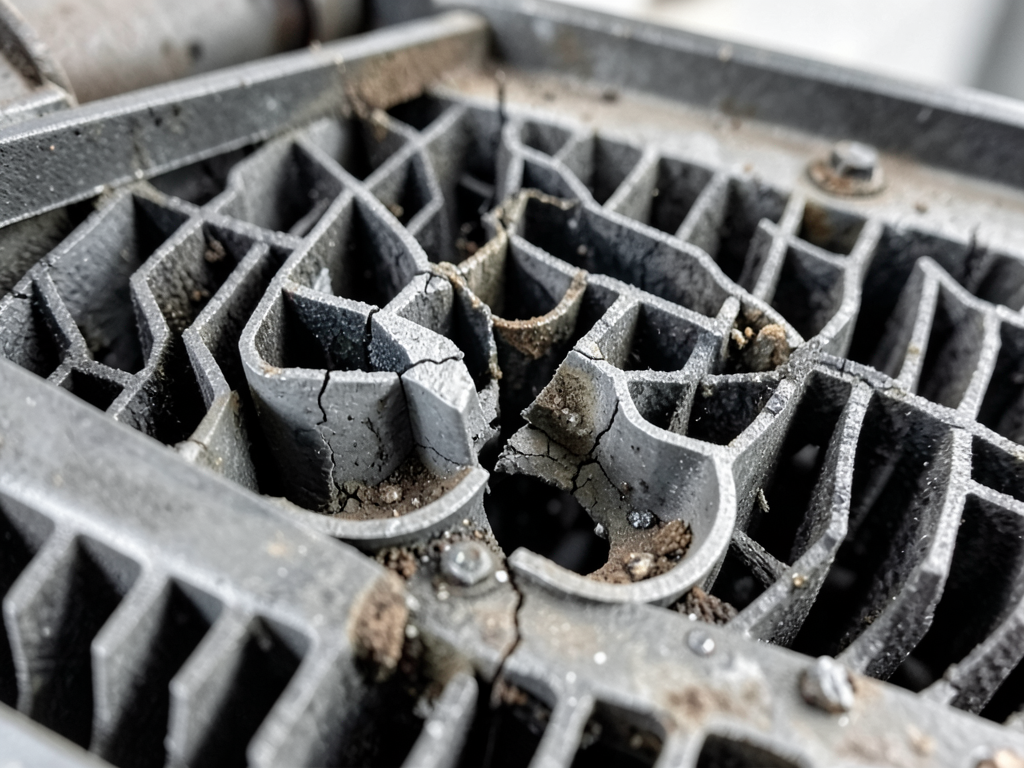
Cracked heat exchangers represent the most frequent source of carbon monoxide leaks in Middle Tennessee. The constant expansion and contraction from heating cycles combined with Nashville’s humidity causes metal fatigue over time. Small cracks grow larger allowing CO to escape. Heating and Cooling Historic Germantown Homes Without Bulky Ductwork.
Blocked flue pipes create another serious hazard. Birds often build nests in rooftop vents during warmer months. When heating season arrives blocked flues force dangerous gases back into your home instead of venting outdoors.
Improper ventilation compounds these risks. Many Inglewood homes built before 1980 have outdated venting systems that cannot handle modern furnace efficiency requirements. Negative air pressure from exhaust fans can actually pull combustion gases back into living spaces.
Recognizing CO Poisoning Symptoms
Early CO poisoning symptoms mimic common illnesses making detection difficult. Headaches dizziness and nausea often appear first. Victims may experience confusion fatigue and shortness of breath without understanding the cause.
Unlike the flu carbon monoxide poisoning affects everyone in the home simultaneously. If multiple family members feel ill when the furnace runs but improve when outside this indicates a serious CO problem requiring immediate attention.
Pets often show symptoms before humans. If your dog seems unusually lethargic or your cat vomits when the furnace operates this could signal dangerous CO levels requiring emergency response.
Critical Safety Steps: CO Detectors and Maintenance
Installing carbon monoxide detectors provides your first line of defense. Place alarms on every level of your home especially near sleeping areas. Follow NFPA 720 guidelines which recommend mounting detectors at least 15 feet from fuel-burning appliances to avoid false alarms. NFPA CO Safety Guidelines.
Test detectors monthly and replace batteries twice yearly. Most CO alarms last five to seven years before requiring replacement. Check the manufacturing date on your units to ensure they provide adequate protection.
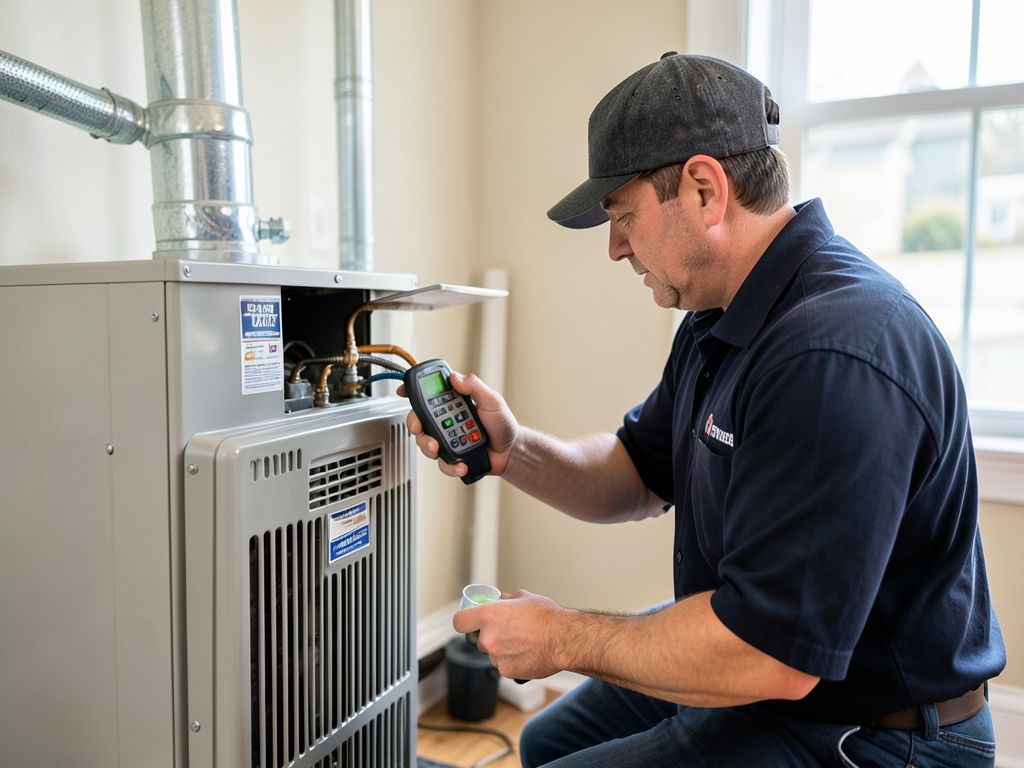
Professional furnace maintenance prevents most CO problems before they start. Annual inspections identify cracked heat exchangers blocked vents and improper combustion before they endanger your family.. Read more about Knowing when a cracked heat exchanger means you need a new furnace immediately.
Nashville HVAC Safety Standards and Local Regulations
Davidson County requires all fuel-burning appliances to meet Tennessee Fuel Gas Code standards. These regulations mandate proper venting combustion air supply and safety controls for all heating equipment installed in Inglewood and surrounding neighborhoods.
Local HVAC contractors must hold state licenses and carry proper insurance. The Tennessee Board of Licensing Contractors enforces strict standards for furnace installation and repair work ensuring your system meets all safety requirements. EPA Carbon Monoxide Guide.
Middle Tennessee’s Building Officials Association provides additional oversight for HVAC work in Nashville’s historic districts. Special permits may be required for furnace replacement in older Inglewood homes to preserve architectural integrity while ensuring modern safety standards.
Emergency Protocol: What to Do If Your Alarm Sounds
Evacuate immediately when carbon monoxide alarms activate. Get everyone including pets outside to fresh air. Do not investigate the source or attempt to shut off appliances. Your priority is removing people from danger.
Call 911 from outside your home. Emergency responders have specialized equipment to measure CO levels and identify sources. They will also check for other family members who may need medical attention.
Contact your HVAC company after emergency services clear your home. Professional technicians can diagnose and repair the source of CO production ensuring your system operates safely before you return.
Professional vs DIY Safety Inspection Checklist
| Inspection Item | DIY Check | Professional Service |
|---|---|---|
| Visual Heat Exchanger Inspection | Limited visibility | Combustion analysis with infrared camera |
| Vent Pipe Integrity | External check only | Pressure testing and leak detection |
| Combustion Efficiency | Impossible without tools | Measured CO2 and O2 levels |
| Gas Pressure Calibration | Requires specialized gauges | Professional adjustment |
| Safety Control Testing | No access to controls | Complete system diagnostics |
CO Alarm Types and Nashville Recommendations
| Alarm Type | Best For | Cost Range | Nashville Considerations |
|---|---|---|---|
| Plug-in with Battery Backup | Standard homes | $25-40 | Works during power outages common in storms |
| Hardwired with Battery | New construction | $35-60 | Interconnects with smoke alarms |
| Digital Display | High-risk homes | $40-80 | Shows exact ppm readings |
| Low-Level Monitor | Elderly or infant homes | $80-150 | Detects CO at 10 ppm vs 70 ppm standard |
Warning Signs Your Furnace Needs Immediate Attention
Soot around your furnace indicates incomplete combustion creating carbon monoxide risk. Black or brown stains near burners or on vent pipes signal dangerous operating conditions requiring professional diagnosis.
Excessive moisture on windows when the furnace runs suggests backdrafting. This occurs when combustion gases cool and condense before properly venting outside creating both CO and water damage risks. Storm Damage HVAC Repair.
Yellow or flickering burner flames instead of steady blue indicate improper gas mixture. This inefficiency produces more carbon monoxide than properly adjusted burners making immediate service essential.
Seasonal Maintenance Schedule for Inglewood Homes
Schedule furnace inspection before November when temperatures drop consistently. Nashville’s fall weather creates perfect conditions for testing heating systems before winter demand peaks.
Spring maintenance prepares your system for summer humidity shifts. Heat exchangers stressed by winter operation may develop cracks during seasonal transitions requiring early detection.
Check CO detectors when changing clocks for daylight saving time. This twice-yearly routine ensures your safety equipment functions when you need it most.
Local Resources and Emergency Contacts
Nashville Fire Department responds to CO emergencies 24/7 across Davidson County. Call 911 immediately if alarms sound or anyone shows poisoning symptoms. Response times average under eight minutes in Inglewood.
Piedmont Natural Gas provides emergency gas leak response throughout Nashville. Their emergency line operates around the clock for gas odor reports and suspected CO incidents.
Davidson County Emergency Management coordinates severe weather response affecting heating systems. Their alerts warn of conditions that may damage furnaces or block ventilation.
Cost Factors for Furnace Safety Improvements
CO detector installation costs range from $25 for basic units to $150 for professional monitoring systems. Most Inglewood homes need three to five detectors for complete coverage.
Professional furnace inspections typically cost $75-150 depending on system age and complexity. Older Inglewood homes often require additional diagnostic time due to accessibility issues.
Heat exchanger replacement ranges from $1,000 to $3,500 based on furnace model and accessibility. This major repair often makes replacement more economical for units over fifteen years old.
Frequently Asked Questions
How often should I replace my carbon monoxide detectors?
Replace CO detectors every five to seven years depending on the model. Check the manufacturing date on the back of your unit. Batteries should be replaced twice yearly when you change your clocks.
Can I test my furnace for carbon monoxide myself?
DIY testing cannot reliably detect CO leaks. Professional technicians use combustion analyzers and infrared cameras to identify problems invisible to homeowners. Annual professional inspection remains essential for safety.
What should I do if my CO alarm sounds but I feel fine?
Evacuate immediately even without symptoms. Carbon monoxide can cause delayed effects and some family members may be more vulnerable. Call 911 from outside and do not re-enter until emergency responders declare your home safe.
Are older Inglewood homes at higher risk for CO problems?
Yes. Pre-1980 homes often have outdated venting systems and aging furnaces prone to heat exchanger cracks. Nashville’s humidity accelerates corrosion in older units making regular professional inspection especially important.
Take Action Today to Protect Your Family
Carbon monoxide poisoning kills over 400 Americans yearly and sends thousands more to emergency rooms. Your Inglewood home deserves protection from this preventable threat. Professional furnace inspection costs far less than emergency medical treatment or worse the loss of a loved one.
Don’t wait for symptoms to appear. Call (615) 552-1922 today to schedule your comprehensive furnace safety inspection. Our NATE-certified technicians use advanced diagnostic equipment to detect problems before they endanger your family.
Pick up the phone and call (615) 552-1922 before the next cold snap hits Nashville. Your family’s safety cannot wait and neither should you.
[IMAGE_PLACEHOLDER_3>