
Creative ways to hide an ugly outdoor AC unit without accidentally blocking the airflow
Your outdoor AC condenser does not have to ruin your home’s curb appeal. With the right landscaping and screening techniques you can blend the unit into your yard while protecting its performance. In Nashville’s humid climate proper airflow is critical for efficiency and longevity. This guide shows you how to create a beautiful screen that keeps your system running strong. The Best High Efficiency HVAC Systems for Luxury Homes in Brentwood.
Why airflow matters more than you think
Your AC condenser needs constant airflow to release heat from your home. When airflow drops the compressor works harder energy bills climb and system life shortens. The golden rule maintain at least 24 inches of clearance on all sides and 60 inches above the unit. This spacing allows technicians to service the system and prevents overheating during Nashville’s 90-degree summers. Heating and Cooling Historic Germantown Homes Without Bulky Ductwork.
Blocked airflow can reduce efficiency by up to 15 percent and cause the system to cycle on and off more frequently. In Middle Tennessee’s clay soil areas like Mount Juliet and Smyrna proper drainage around the pad prevents settling that could tilt the unit and restrict airflow underneath.
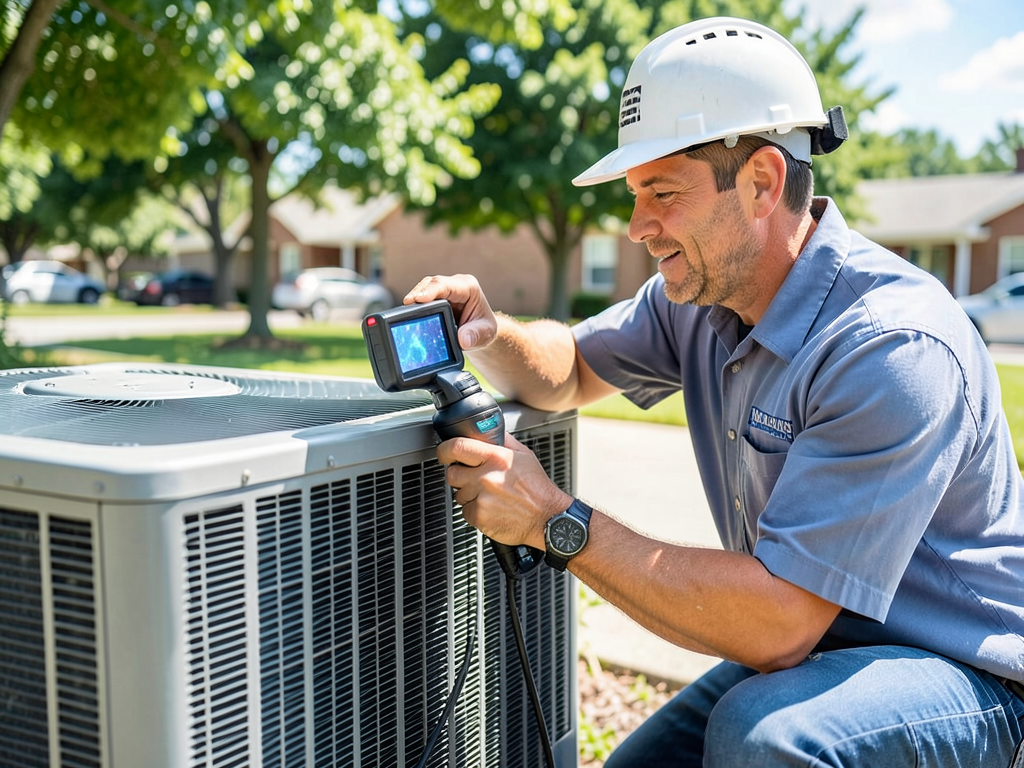
Diagram showing proper 24-inch clearance zones around an AC condenser with service access points marked
Hardscaping solutions that protect airflow
Lattice screens with proper ventilation
Lattice fencing offers excellent airflow while hiding the unit. Choose pressure-treated wood or vinyl lattice that resists Nashville’s humidity and carpenter bee activity. Mount the screen on removable posts or hinges for service access. The diamond pattern provides 50 percent open space while blocking the view. Nashville AC Repair Companies That Actually Answer the Phone on Weekends.
For best results install the lattice at least 24 inches from the unit. Paint or stain the wood with a mildew-resistant product to withstand Middle Tennessee’s spring storms and summer heat. Vinyl lattice requires less maintenance but may become brittle in extreme cold snaps. Storm Damage HVAC Repair.
Horizontal slat fences
Modern horizontal slat fences create a clean contemporary look. Use cedar or composite boards spaced 1-2 inches apart for airflow. The gaps prevent heat buildup while maintaining privacy. Mount the fence on a track system that allows panels to slide for maintenance.
Composite materials resist warping from Nashville’s humidity and require no sealing. Cedar naturally repels insects but needs annual treatment. Both options work well in Davidson County’s climate where afternoon thunderstorms are common from April through October.
Decorative resin covers
Resin or composite covers designed specifically for AC units provide instant screening. Look for models with louvered sides that direct airflow while hiding the equipment. These covers snap together for easy removal during service calls.
Choose UV-resistant materials that won’t fade in Tennessee’s intense summer sun. Some models include built-in shelves for potted plants adding greenery without blocking ventilation. The covers work especially well for units near patios or pool areas in neighborhoods like Brentwood and Green Hills. Why Your Green Hills Home Needs a Heating Tune Up Before the First Freeze.
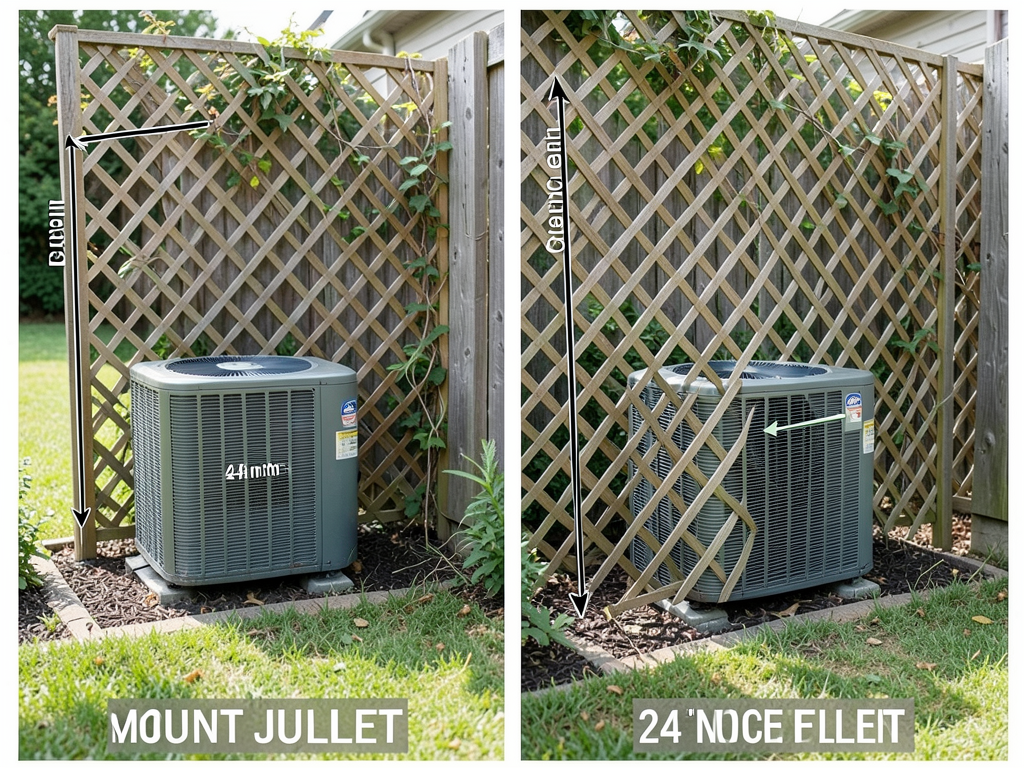
Before and after photos of a Mount Juliet home showing lattice screen installation with proper clearance markings
Living walls and plants that won’t choke your AC
Top plants for Nashville’s Zone 7 climate
Middle Tennessee falls in USDA Hardiness Zone 7a/7b where plants must handle humid summers and occasional winter freezes. The best screening plants for AC units share key traits: they don’t drop excessive debris they tolerate heat and they maintain shape without constant pruning. USDA Hardiness Zone 7 gardening guide.
Boxwood shrubs provide dense evergreen coverage and grow well in Nashville’s clay soil. Plant them 24-36 inches from the unit in groups of three for natural screening. Skip laurel offers faster growth and tolerates partial shade from nearby structures. Both plants resist the fungal diseases common in humid climates.
Ornamental grasses like maiden grass or fountain grass create soft flowing screens. Their arching blades allow air to pass through while hiding the unit. Plant in clusters rather than rows for a more natural look. These grasses die back in winter but provide excellent summer coverage.
What to avoid near your condenser
Some plants spell trouble for AC units. Avoid trees that drop leaves needles or seed pods directly onto the condenser. Pine trees near units cause constant cleaning headaches. Deciduous trees like maple or oak drop leaves that can clog fins and reduce efficiency.
Climbing vines attached directly to the unit create moisture traps and restrict airflow. English ivy and wisteria grow aggressively and can work their way into the cabinet. Keep all vines on separate trellises at least 24 inches away from the equipment. EPA HVAC efficiency guidelines.
Avoid plants with invasive root systems like bamboo or certain ornamental grasses that spread aggressively. Roots can damage the concrete pad or shift refrigerant lines. In Nashville’s expansive clay soil even moderate root growth can cause significant settling issues.
Maintenance schedule for plant screening
Establish a monthly maintenance routine during the growing season. Trim back any growth that encroaches on the 24-inch clearance zone. Remove fallen leaves and debris weekly during autumn when leaf drop is heaviest in Middle Tennessee.
Spring maintenance should include checking for winter damage pruning dead branches and clearing any debris that accumulated around the base. Summer requires monitoring for heat stress and ensuring plants don’t grow into the airflow path during peak cooling season.
Fall cleanup is critical in Nashville where oak and maple trees drop massive amounts of leaves. Consider installing a small gravel border around the unit to prevent mulch from washing onto the condenser during heavy rains.
Technical diagram showing how improper plant placement near AC units reduces SEER efficiency and increases energy costs
Designing for service access and maintenance
Professional HVAC technicians need clear access to your unit for seasonal tune-ups repairs and eventual replacement. Design your screening with removable sections or gates that provide full access to all sides. The service panel should open completely without moving plants or structures.
Consider installing a small path or stepping stones to the unit for technician access. This prevents lawn damage and keeps mud from being tracked into your home during service calls. In areas with heavy clay soil like Hermitage and Donelson a gravel path prevents the quagmire that forms after spring rains.
Mark the 24-inch clearance zone with decorative stones or edging. This visual reminder helps you and your landscaper maintain proper spacing. Some homeowners install small signs or markers that read “AC Clearance Zone” to prevent accidental plant encroachment.
Common mistakes that cost you money
Many DIY screening projects accidentally reduce AC efficiency. Building a solid box around the unit traps heat and blocks airflow. Even lattice with less than 50 percent open space can restrict ventilation enough to cause problems.
Placing heat-absorbing materials like dark stone or concrete too close to the unit increases ambient temperature. The condenser works harder to reject heat reducing efficiency. Use light-colored materials and maintain proper spacing to prevent heat buildup.
Ignoring overhead clearance is a frequent error. Tree branches porch overhangs and decorative awnings can block the vertical airflow path. Maintain at least 60 inches of clearance above the unit for proper heat exhaust.
Building too close to the house can restrict airflow along walls. The condenser needs space to draw air from multiple directions. A unit pushed against a wall or fence may only pull air from the front reducing efficiency by up to 10 percent.
Step-by-step process for AC screening installation
- Measure existing clearance around your AC unit using a tape measure. Document the 24-inch side clearance and 60-inch overhead clearance.
- Check local building codes. Nashville Metro Code Section 13-602-XX requires mechanical equipment to remain accessible for maintenance.
- Choose your screening method based on your home’s style and maintenance preferences. Lattice screens work well for traditional homes while horizontal slats suit modern designs.
- Mark the installation area using spray paint or stakes. Ensure you maintain the required 24-inch clearance on all sides.
- Prepare the ground. In Nashville’s clay soil you may need to dig 6-8 inches deep and add gravel for drainage.
- Install support posts or frames. Use pressure-treated lumber rated for ground contact in our humid climate.
- Attach your screening material ensuring at least 50 percent open space for airflow.
- Install removable access panels or gates at each side for technician entry.
- Test the clearance by having a technician verify they can access all service points.
- Monitor plant growth monthly and trim any vegetation that enters the clearance zone.
Noise reduction through smart landscaping
While hiding your AC unit you can also reduce noise pollution. Dense evergreen shrubs like arborvitae or holly absorb sound waves better than deciduous plants. Plant them in a staggered pattern rather than a straight line for maximum noise reduction.
Water features near the unit can mask operational noise. A small fountain or bubbling rock creates white noise that drowns out the condenser’s hum. Position the water feature between your outdoor living space and the AC unit for best results.
Sound-absorbing panels mounted on existing fences can reduce noise by 5-10 decibels. These panels look like decorative art from the front but contain noise-dampening materials. They work well in urban Nashville neighborhoods where houses sit close together.
Local considerations for Nashville homeowners
Nashville’s humid subtropical climate creates unique challenges for AC screening. The high moisture content in summer air means condensers work harder to reject heat. Proper ventilation becomes even more critical in our climate than in drier regions.
Middle Tennessee’s spring storm season brings heavy rains and occasional hail. Choose screening materials that can withstand 60+ mph winds and resist water damage. Vinyl and composite materials perform better than untreated wood in our climate.
The Cumberland River floodplain affects parts of Nashville including areas near downtown and East Nashville. If your home sits in a flood zone elevate your AC pad and choose screening that won’t trap water or debris during heavy rains.
Nashville’s building codes require clear access to mechanical equipment for maintenance. While there’s no specific ordinance about AC screening blocking access could violate Metro codes. Always maintain service pathways and proper clearances.
Cost considerations and ROI
Professional AC screening installation typically costs $500-2000 depending on materials and complexity. DIY projects can save money but may sacrifice proper airflow if not designed correctly. The investment pays off through improved efficiency and extended equipment life.
Energy savings from proper screening can offset the initial cost within 2-3 years. A unit operating at peak efficiency uses 10-15 percent less electricity than one struggling with restricted airflow. In Nashville’s long cooling season these savings add up quickly.
Consider the warranty implications of your screening choices. Some manufacturers require specific clearances to maintain warranty coverage. Improper screening that causes premature failure could void your warranty and cost thousands in repairs.
Comparison of AC screening options
| Screen Type | Airflow Percentage | Maintenance Level | Cost Range | Best For |
|---|---|---|---|---|
| Lattice Screen | 50% | Low | $300-800 | Traditional homes |
| Horizontal Slats | 60-70% | Medium | $400-1000 | Modern designs |
| Decorative Resin | 40-50% | Very Low | $200-600 | Quick installation |
| Living Plants | 70-80% | High | $150-500 | Natural look |
| Sound Panels | 30-40% | Low | $500-1200 | Noise reduction |
Call (615) 552-1922 today to schedule your inspection
Before you build that screen or plant those shrubs let our Nashville HVAC experts evaluate your system. We’ll measure your current clearance check airflow patterns and recommend the best screening options for your specific unit and yard layout. Don’t risk reduced efficiency or costly repairs from well-intentioned DIY projects.
Our technicians understand Middle Tennessee’s unique climate challenges and can help you balance curb appeal with system performance. We serve Mount Juliet Smyrna Murfreesboro and all of Greater Nashville. Call (615) 552-1922 today to schedule your professional assessment before the next heat wave hits.
Frequently Asked Questions
How far should plants be from my AC unit?
Maintain at least 24 inches of clearance on all sides and 60 inches above the unit. This spacing allows proper airflow and provides access for maintenance. Some plants may need more space as they mature so plan for their full-grown size.
Can I build a solid box around my AC condenser?
No solid enclosures trap heat and restrict airflow causing your system to work harder and potentially fail prematurely. Use open lattice slatted fencing or decorative covers with ventilation openings instead.
What’s the best low-maintenance plant for AC screening?
Boxwood shrubs offer excellent year-round coverage with minimal maintenance. They grow slowly resist disease and tolerate Nashville’s clay soil. Ornamental grasses provide a softer look but die back in winter.
Will screening my AC unit void the warranty?
Improper screening that blocks airflow or access can void warranties. Always maintain the manufacturer’s recommended clearances and ensure technicians can easily access all sides of the unit for maintenance.
How much does professional AC screening installation cost?
Professional installation typically ranges from $500-2000 depending on materials size and complexity. This investment often pays for itself through improved efficiency and extended equipment life within a few years.
{
“@context”: “https://schema.org”,
“@type”: “BlogPosting”,
“headline”: “Creative ways to hide an ugly outdoor AC unit without accidentally blocking the airflow”,
“description”: “Learn how to hide your outdoor AC unit with creative landscaping while maintaining proper airflow. Nashville-specific tips for efficiency and curb appeal.”,
“wordCount”: 2173,
“datePublished”: “2026-06-06T12:05:00.000Z”,
“dateModified”: “2026-06-06T12:05:00.000Z”,
“inLanguage”: “en-US”,
“mainEntityOfPage”: {
“@type”: “WebPage”,
“@id”: “https://alphahvacnashville.com”
},
“publisher”: {
“@type”: “LocalBusiness”,
“name”: “Alpha HVAC Nashville”,
“url”: “https://alphahvacnashville.com”
},
“author”: {
“@type”: “Organization”,
“name”: “Alpha HVAC Nashville”,
“url”: “https://alphahvacnashville.com”
},
“image”: {
“@type”: “ImageObject”,
“url”: “https://alphahvacnashville.com/wp-content/uploads/2026/03/creative-ways-to-hide-an-ugly-outdoor-ac-unit-with-1.png”
}
}
{
“@context”: “https://schema.org”,
“@type”: “HVACBusiness”,
“name”: “Alpha HVAC Nashville”,
“url”: “https://alphahvacnashville.com”,
“address”: {
“@type”: “PostalAddress”,
“addressLocality”: “Nashville”
},
“areaServed”: {
“@type”: “City”,
“name”: “Nashville”
}
}
{
“@context”: “https://schema.org”,
“@type”: “FAQPage”,
“mainEntity”: [
{
“@type”: “Question”,
“name”: “How far should plants be from my AC unit?”,
“acceptedAnswer”: {
“@type”: “Answer”,
“text”: “Maintain at least 24 inches of clearance on all sides and 60 inches above the unit. This spacing allows proper airflow and provides access for maintenance. Some plants may need more space as they mature so plan for their full-grown size.”
}
},
{
“@type”: “Question”,
“name”: “Can I build a solid box around my AC condenser?”,
“acceptedAnswer”: {
“@type”: “Answer”,
“text”: “No solid enclosures trap heat and restrict airflow causing your system to work harder and potentially fail prematurely. Use open lattice slatted fencing or decorative covers with ventilation openings instead.”
}
},
{
“@type”: “Question”,
“name”: “What’s the best low-maintenance plant for AC screening?”,
“acceptedAnswer”: {
“@type”: “Answer”,
“text”: “Boxwood shrubs offer excellent year-round coverage with minimal maintenance. They grow slowly resist disease and tolerate Nashville’s clay soil. Ornamental grasses provide a softer look but die back in winter.”
}
},
{
“@type”: “Question”,
“name”: “Will screening my AC unit void the warranty?”,
“acceptedAnswer”: {
“@type”: “Answer”,
“text”: “Improper screening that blocks airflow or access can void warranties. Always maintain the manufacturer’s recommended clearances and ensure technicians can easily access all sides of the unit for maintenance.”
}
},
{
“@type”: “Question”,
“name”: “How much does professional AC screening installation cost?”,
“acceptedAnswer”: {
“@type”: “Answer”,
“text”: “Professional installation typically ranges from $500-2000 depending on materials size and complexity. This investment often pays for itself through improved efficiency and extended equipment life within a few years.”
}
}
]
}
{
“@context”: “https://schema.org”,
“@type”: “BreadcrumbList”,
“itemListElement”: [
{
“@type”: “ListItem”,
“position”: 1,
“name”: “Home”,
“item”: “https://alphahvacnashville.com”
},
{
“@type”: “ListItem”,
“position”: 2,
“name”: “Blog”,
“item”: “https://alphahvacnashville.com/blog”
},
{
“@type”: “ListItem”,
“position”: 3,
“name”: “Creative ways to hide an ugly outdoor AC unit without accidentally blocking the airflow”
}
]
}
{
“@context”: “https://schema.org”,
“@type”: “Service”,
“serviceType”: “HVAC”,
“provider”: {
“@type”: “LocalBusiness”,
“name”: “Alpha HVAC Nashville”,
“url”: “https://alphahvacnashville.com”
},
“areaServed”: {
“@type”: “City”,
“name”: “Nashville”
},
“description”: “Learn how to hide your outdoor AC unit with creative landscaping while maintaining proper airflow. Nashville-specific tips for efficiency and curb appeal.”
}