
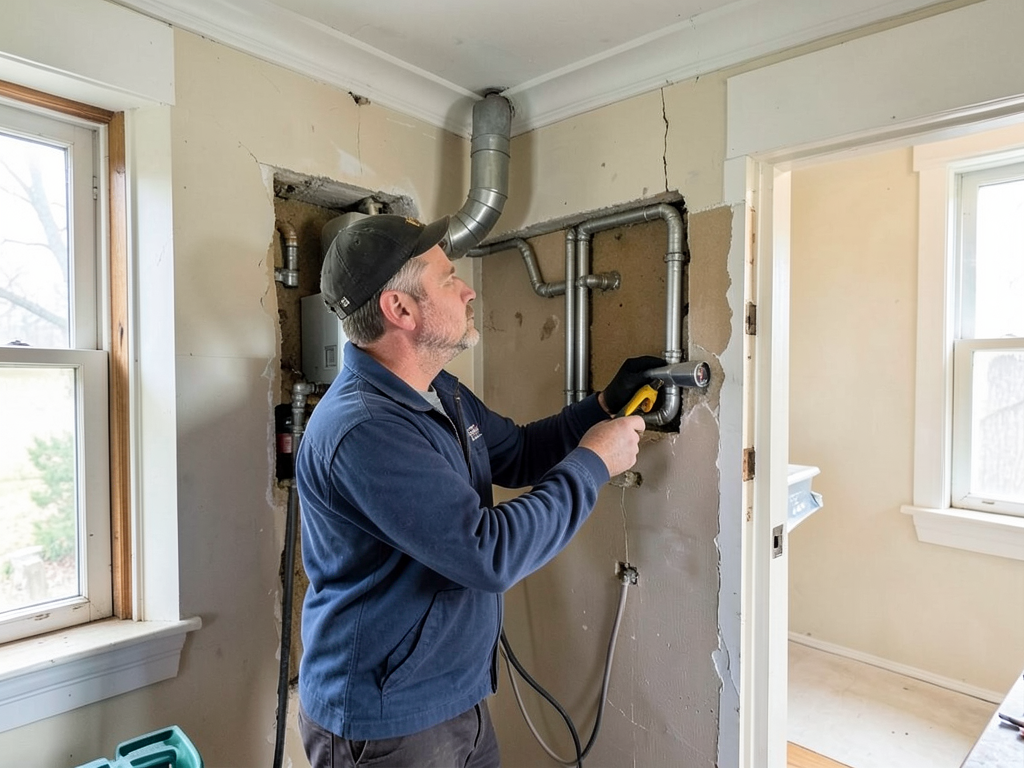
Why Historic North Nashville Homes Face Unique HVAC Challenges
North Nashville’s historic neighborhoods like Germantown and Salemtown feature homes built before 1940 with plaster walls, balloon framing, and no attic space. These architectural treasures present unique HVAC installation challenges that modern contractors often mishandle. The humid Middle Tennessee climate compounds these issues, creating comfort problems that frustrate new homeowners who’ve just completed expensive renovations. Nashville AC Repair Companies That Actually Answer the Phone on Weekends.
Common mistakes include installing oversized systems that short-cycle in small rooms, cutting through original crown molding to run ductwork, and placing outdoor units where they violate Metro Historical Commission visibility rules. These errors not only damage historic character but also create inefficient systems that drive up energy costs and fail to control Nashville’s notorious humidity. Metro Nashville Historical Commission Design Guidelines.
Understanding these pitfalls helps you spot problems before they become expensive repairs. This guide covers the most frequent HVAC installation mistakes in historic North Nashville renovations and provides solutions that preserve both comfort and architectural integrity.. Read more about Understanding the difference between a furnace and a boiler for older Middle Tennessee homes.
Overlooking Historic District Regulations
The Metro Nashville Historical Commission enforces strict guidelines for exterior modifications in designated historic districts. Many contractors unfamiliar with local regulations install condenser units in visible locations or run refrigerant lines along historic facades without proper approval.. Read more about Creative ways to hide an ugly outdoor AC unit without accidentally blocking the airflow.
Before any HVAC work begins, you need a Certificate of Appropriateness from the MHZC. This process requires detailed drawings showing equipment placement, screening methods, and how the installation maintains the home’s historic character. Violations can result in fines up to $1,000 per day and mandatory removal of non-compliant equipment.
Common regulatory mistakes include installing units where they’re visible from public streets, using materials that don’t match historic palettes, and failing to screen equipment properly. The commission requires that all mechanical equipment be screened from public view using materials appropriate to the period, such as wood lattice or period-appropriate fencing.
Ignoring Original Architectural Features
Historic homes feature intricate plaster crown molding, original hardwood floors, and decorative ceiling medallions that modern HVAC installation often destroys. Contractors frequently cut through these irreplaceable features to run ductwork or install vents, causing permanent damage to the home’s character. Storm Damage HVAC Repair.
Plaster walls require special handling since they’re much more fragile than modern drywall. Standard ductwork installation methods that work in newer homes can cause extensive cracking and crumbling in historic plaster. The lath and plaster construction also makes it difficult to run new wiring and refrigerant lines without causing damage.
Original features like built-in cabinetry, window seats, and decorative trim often get removed to make space for modern HVAC equipment. These alterations permanently change the home’s historic character and can reduce property values in historic districts where architectural integrity is highly valued.
Choosing the Wrong System Size
Historic homes in North Nashville typically have higher ceilings, larger windows, and less insulation than modern construction. These factors affect heating and cooling loads, but many contractors use standard sizing calculations that result in oversized or undersized systems. The Best High Efficiency HVAC Systems for Luxury Homes in Brentwood.
Oversized systems create short cycling, where the unit turns on and off frequently without running long enough to properly dehumidify the air. This leaves Nashville’s humid summer air feeling clammy and uncomfortable. Undersized systems run constantly, driving up energy bills while failing to maintain comfortable temperatures. Energy Department Air Sealing Guide.
Proper Manual J load calculations must account for historic construction methods, window types, and insulation levels. Balloon framing common in pre-1940 homes creates different airflow patterns than modern platform framing, affecting how heat moves through the structure.
Neglecting Humidity Control
Middle Tennessee’s humidity levels regularly exceed 70% during summer months, but many HVAC installations focus only on temperature control. This creates a common problem where the air feels cool but still damp, leading to discomfort and potential mold growth in historic homes.
Standard air conditioning systems remove some moisture as air passes over cold evaporator coils, but this process isn’t designed for Nashville’s extreme humidity. Without supplemental dehumidification, indoor relative humidity often stays above 60%, promoting dust mite growth and making the home feel warmer than the thermostat reading indicates.. Read more about Why your HVAC system needs a surge protector to survive the next big Nashville lightning storm.
Historic homes with plaster walls and hardwood floors are particularly vulnerable to moisture damage. High humidity can cause plaster to soften, paint to bubble, and wood floors to cup or warp. Proper humidity control protects these irreplaceable materials while improving comfort.. Read more about Improving air circulation in classic Bordeaux ranch homes with vaulted ceilings.
Improper Ductwork Design
Historic North Nashville homes rarely have space for conventional ductwork. Many contractors try to force standard duct systems into these homes, resulting in bulky chases that destroy floor plans or inefficient routing that reduces system performance.
Common ductwork mistakes include running ducts through closets and bedrooms where they take up valuable space, creating sharp bends that restrict airflow, and failing to properly seal connections in plaster walls. These errors lead to uneven heating and cooling, with some rooms feeling too hot while others remain cold. Heating and Cooling Historic Germantown Homes Without Bulky Ductwork.
Proper duct design for historic homes requires creative solutions like running ducts through non-living spaces, using smaller diameter high-velocity systems, or installing ductless mini-splits that eliminate ductwork entirely. Each approach has trade-offs in terms of efficiency, cost, and visual impact.
Skipping Proper Load Calculations
Many HVAC contractors skip detailed Manual J calculations and instead use rule-of-thumb sizing based on square footage. This approach fails in historic homes where construction methods, window types, and insulation levels vary significantly from modern standards.
Historic homes often have single-pane windows, minimal wall insulation, and air infiltration rates much higher than modern construction. These factors dramatically affect heating and cooling loads but aren’t captured by standard sizing methods. A 2,000-square-foot historic home might require a different capacity than a modern home of the same size.
Proper load calculations should include blower door tests to measure air infiltration, infrared scans to identify insulation gaps, and analysis of original window types and glazing. These tests reveal the true heating and cooling requirements for each unique historic structure.
Using Invasive Installation Methods
Standard HVAC installation methods often require cutting through structural elements, removing historic materials, or creating large openings in exterior walls. These invasive approaches permanently damage historic homes and can violate preservation guidelines.
Common invasive mistakes include cutting through original brick or stone exterior walls to install vents, removing load-bearing walls to create space for equipment, and drilling large holes through floor joists for ductwork. These alterations can compromise structural integrity and destroy irreplaceable historic fabric.
Non-invasive installation methods preserve historic character while providing modern comfort. These approaches might include using existing chimney chases for ductwork, installing high-velocity systems that use small ducts, or placing equipment in basements or crawl spaces where they won’t be visible.
Ignoring Energy Efficiency Opportunities
Historic homes often have significant energy efficiency issues, but many HVAC installations don’t address these underlying problems. This creates systems that work harder than necessary, driving up energy costs while providing inadequate comfort.
Common efficiency mistakes include failing to seal air leaks around windows and doors, not adding insulation where possible, and installing high-efficiency equipment without addressing distribution losses. These oversights mean even the best new equipment operates inefficiently in poorly performing building envelopes.
Energy audits specific to historic homes can identify cost-effective improvements that preserve character while reducing energy consumption. These might include adding attic insulation, sealing air leaks, or upgrading to high-performance windows that match historic appearances.. Read more about Upgrading the electrical panel in your Sylvan Park cottage to handle a modern high efficiency HVAC.
Overlooking Indoor Air Quality Needs
Historic homes often have poor indoor air quality due to outdated construction methods, accumulated dust in old materials, and inadequate ventilation. Many HVAC installations don’t address these issues, leaving homeowners with uncomfortable and potentially unhealthy indoor environments.
Common IAQ mistakes include failing to properly filter air in homes with plaster dust or lead paint concerns, not providing adequate fresh air ventilation, and ignoring humidity control that affects dust mite populations. These oversights can create health issues for occupants, especially those with allergies or respiratory conditions.
Modern IAQ solutions for historic homes include high-efficiency particulate air filtration, energy recovery ventilators that provide fresh air without energy loss, and UV light systems that control mold and bacteria growth in damp Nashville summers.
Selecting Incompatible Equipment
Many HVAC contractors recommend equipment that works well in modern homes but performs poorly in historic structures. This equipment mismatch leads to comfort problems, high energy bills, and frequent repairs.
Common equipment mistakes include installing standard split systems where high-velocity or ductless systems would work better, choosing equipment without humidity control features for Nashville’s climate, and selecting units that require extensive modifications to the historic structure for installation.
Equipment selection for historic homes should consider factors like available space, noise levels that won’t disturb original quiet plaster walls, and compatibility with preservation guidelines. High-velocity systems, ductless mini-splits, and geothermal options often work better than standard equipment in these unique structures.
Neglecting Future Maintenance Access
Many HVAC installations in historic homes don’t consider how technicians will access equipment for future maintenance. This oversight can lead to expensive repairs when simple maintenance tasks become difficult or impossible without damaging historic materials.
Common access mistakes include installing equipment in tight spaces where filters can’t be changed, running refrigerant lines through areas that will need future access, and failing to provide proper clearance around equipment for service work. These errors can void warranties and lead to premature equipment failure.
Proper planning includes creating access panels in non-historic locations, using flexible connections that allow equipment movement, and documenting all installation details for future reference. These steps ensure the system remains serviceable without damaging historic character.
Missing Proper Permits and Inspections
Historic renovations require multiple permits and inspections to ensure work meets current codes while preserving historic character. Many contractors skip these requirements, creating legal and safety issues for homeowners.
Common permitting mistakes include failing to obtain mechanical permits, skipping required inspections, and not coordinating with historical commission reviews. These oversights can result in stop-work orders, fines, and the need to undo completed work.
Proper permitting ensures the installation meets current safety standards while preserving historic integrity. It also provides documentation that can be valuable for future sales or additional renovations.
Overlooking Nashville’s Climate Specifics
Nashville’s humid subtropical climate creates unique HVAC challenges that many contractors from other regions don’t understand. This knowledge gap leads to systems that can’t handle local conditions effectively.
Common climate-related mistakes include installing equipment sized for drier climates, failing to provide adequate dehumidification for Nashville’s summer humidity, and not accounting for the region’s significant temperature swings between seasons. These oversights result in systems that struggle during peak cooling or heating seasons.
Proper Nashville HVAC design accounts for the region’s 4,000+ cooling degree days, 45 inches of annual rainfall, and humidity levels that often exceed 70% during summer months. This climate data drives equipment selection and system design choices.
Ignoring Sound Transmission Issues
Historic homes feature plaster walls that transmit sound differently than modern drywall. Many HVAC installations create noise problems that disturb the peaceful atmosphere these homes were designed to provide.
Common noise issues include installing loud equipment near bedrooms or living areas, running ducts that transmit equipment noise throughout the house, and failing to use sound attenuators in critical locations. These mistakes create constant background noise that conflicts with the quiet character of historic interiors.
Proper sound control includes selecting quiet equipment, using sound-absorbing duct liners, and carefully locating mechanical equipment away from quiet spaces. These measures preserve the peaceful atmosphere that makes historic homes special.
Call (615) 552-1922 for Your Historic Home HVAC Assessment
Don’t let HVAC installation mistakes damage your historic North Nashville home’s character or comfort. Our team specializes in preservation-friendly HVAC solutions that maintain architectural integrity while providing modern comfort. We understand Metro Historical Commission requirements and have experience with the unique challenges of Middle Tennessee’s climate.
Call (615) 552-1922 today to schedule your comprehensive HVAC assessment. We’ll evaluate your home’s specific needs, identify potential issues, and recommend solutions that protect your investment while ensuring year-round comfort. Our expertise in historic home HVAC means you’ll avoid the common mistakes that plague many renovations.
Pick up the phone and call (615) 552-1922 before the next heat wave hits. Your historic home deserves HVAC expertise that respects its past while preparing it for the future.
Frequently Asked Questions
What makes HVAC installation in historic homes different from modern homes?
Historic homes have unique construction methods like plaster walls, balloon framing, and no attic space that make standard HVAC installation difficult. They also face strict preservation guidelines that limit exterior modifications and require special permitting through the Metro Historical Commission.
How do I know if my HVAC contractor understands historic preservation?
Ask about their experience with Metro Historical Commission projects, request references from similar historic home installations, and verify they understand Manual J calculations specific to older construction methods. Contractors should discuss preservation-friendly options like high-velocity systems or ductless mini-splits.
Can I install a standard HVAC system in my historic North Nashville home?
While possible, standard systems often require extensive modifications that damage historic character. High-velocity systems, ductless mini-splits, or specialized historic preservation HVAC designs typically work better while maintaining architectural integrity and meeting preservation guidelines.
What permits do I need for HVAC work in a historic district?
You need a Certificate of Appropriateness from the Metro Nashville Historical Commission for any exterior modifications, plus standard mechanical permits from Metro Codes. The process includes submitting detailed plans showing equipment placement and screening methods to ensure compliance with preservation guidelines.
How much does historic home HVAC installation cost compared to standard installation?
Historic home HVAC typically costs 20-40% more than standard installation due to specialized equipment, custom design requirements, and compliance with preservation guidelines. However, proper installation prevents costly mistakes and protects your home’s value while providing better long-term performance.
{
“@context”: “https://schema.org”,
“@type”: “BlogPosting”,
“headline”: “Common HVAC installation mistakes to look for in historic North Nashville renovations”,
“description”: “Discover common HVAC mistakes in historic North Nashville homes and how to avoid them. Learn preservation-friendly solutions for your Victorian or Craftsman renovation.”,
“wordCount”: 2291,
“datePublished”: “2026-06-07T12:56:00.000Z”,
“dateModified”: “2026-06-07T12:56:00.000Z”,
“inLanguage”: “en-US”,
“mainEntityOfPage”: {
“@type”: “WebPage”,
“@id”: “https://alphahvacnashville.com”
},
“publisher”: {
“@type”: “LocalBusiness”,
“name”: “Alpha HVAC Nashville”,
“url”: “https://alphahvacnashville.com”
},
“author”: {
“@type”: “Organization”,
“name”: “Alpha HVAC Nashville”,
“url”: “https://alphahvacnashville.com”
},
“image”: {
“@type”: “ImageObject”,
“url”: “https://alphahvacnashville.com/wp-content/uploads/2026/03/common-hvac-installation-mistakes-to-look-for-in-h-1.png”
}
}
{
“@context”: “https://schema.org”,
“@type”: “HVACBusiness”,
“name”: “Alpha HVAC Nashville”,
“url”: “https://alphahvacnashville.com”,
“address”: {
“@type”: “PostalAddress”,
“addressLocality”: “Nashville”
},
“areaServed”: {
“@type”: “City”,
“name”: “Nashville”
}
}
{
“@context”: “https://schema.org”,
“@type”: “FAQPage”,
“mainEntity”: [
{
“@type”: “Question”,
“name”: “What makes HVAC installation in historic homes different from modern homes?”,
“acceptedAnswer”: {
“@type”: “Answer”,
“text”: “Historic homes have unique construction methods like plaster walls, balloon framing, and no attic space that make standard HVAC installation difficult. They also face strict preservation guidelines that limit exterior modifications and require special permitting through the Metro Historical Commission.”
}
},
{
“@type”: “Question”,
“name”: “How do I know if my HVAC contractor understands historic preservation?”,
“acceptedAnswer”: {
“@type”: “Answer”,
“text”: “Ask about their experience with Metro Historical Commission projects, request references from similar historic home installations, and verify they understand Manual J calculations specific to older construction methods. Contractors should discuss preservation-friendly options like high-velocity systems or ductless mini-splits.”
}
},
{
“@type”: “Question”,
“name”: “Can I install a standard HVAC system in my historic North Nashville home?”,
“acceptedAnswer”: {
“@type”: “Answer”,
“text”: “While possible, standard systems often require extensive modifications that damage historic character. High-velocity systems, ductless mini-splits, or specialized historic preservation HVAC designs typically work better while maintaining architectural integrity and meeting preservation guidelines.”
}
},
{
“@type”: “Question”,
“name”: “What permits do I need for HVAC work in a historic district?”,
“acceptedAnswer”: {
“@type”: “Answer”,
“text”: “You need a Certificate of Appropriateness from the Metro Nashville Historical Commission for any exterior modifications, plus standard mechanical permits from Metro Codes. The process includes submitting detailed plans showing equipment placement and screening methods to ensure compliance with preservation guidelines.”
}
},
{
“@type”: “Question”,
“name”: “How much does historic home HVAC installation cost compared to standard installation?”,
“acceptedAnswer”: {
“@type”: “Answer”,
“text”: “Historic home HVAC typically costs 20-40% more than standard installation due to specialized equipment, custom design requirements, and compliance with preservation guidelines. However, proper installation prevents costly mistakes and protects your home’s value while providing better long-term performance.”
}
}
]
}
{
“@context”: “https://schema.org”,
“@type”: “BreadcrumbList”,
“itemListElement”: [
{
“@type”: “ListItem”,
“position”: 1,
“name”: “Home”,
“item”: “https://alphahvacnashville.com”
},
{
“@type”: “ListItem”,
“position”: 2,
“name”: “Blog”,
“item”: “https://alphahvacnashville.com/blog”
},
{
“@type”: “ListItem”,
“position”: 3,
“name”: “Common HVAC installation mistakes to look for in historic North Nashville renovations”
}
]
}
{
“@context”: “https://schema.org”,
“@type”: “Service”,
“serviceType”: “HVAC”,
“provider”: {
“@type”: “LocalBusiness”,
“name”: “Alpha HVAC Nashville”,
“url”: “https://alphahvacnashville.com”
},
“areaServed”: {
“@type”: “City”,
“name”: “Nashville”
},
“description”: “Discover common HVAC mistakes in historic North Nashville homes and how to avoid them. Learn preservation-friendly solutions for your Victorian or Craftsman renovation.”
}