
Geothermal vs Air Source Heat Pumps for Rural Leiper’s Fork Properties
Choosing between geothermal and air source heat pumps for your Leiper’s Fork property means understanding how Middle Tennessee’s climate and soil conditions affect long-term efficiency. Rural properties in Williamson County face unique challenges from humid summers to limestone bedrock that can make installation costs vary dramatically. This guide breaks down the technical differences, local installation considerations, and energy savings you can expect from each system based on real Nashville-area performance data. Energy Department heat pump efficiency guide.
The Nashville Climate Factor How Heat Pumps Handle Middle TN Weather
Leiper’s Fork sits in the heart of Middle Tennessee’s humid subtropical climate where summer humidity regularly exceeds 70% and winter temperatures can drop below freezing for extended periods. Air source heat pumps lose efficiency when outdoor temperatures fall below 35°F as they struggle to extract heat from cold air. Geothermal systems maintain consistent performance because they exchange heat with ground temperatures that stay between 50-60°F year-round regardless of surface weather. The Best High Efficiency HVAC Systems for Luxury Homes in Brentwood.
The high humidity in Williamson County creates additional challenges for air source units. During summer months, these systems run longer defrost cycles to prevent coil icing, which reduces cooling capacity when you need it most. Geothermal heat pumps avoid this issue entirely since ground loops remain unaffected by surface moisture and temperature swings. Heating and Cooling Historic Germantown Homes Without Bulky Ductwork.
Local soil conditions also play a crucial role. The limestone bedrock common in Leiper’s Fork and surrounding rural areas requires specialized drilling techniques for geothermal installation. Vertical loop systems often need to drill through 20-30 feet of limestone before reaching suitable soil for heat exchange, increasing installation complexity and cost.

Direct Comparison Efficiency Cost and Lifespan
| Feature | Geothermal Heat Pump | Air Source Heat Pump |
|---|---|---|
| Installation Cost | $20,000-$35,000 | $6,000-$12,000 |
| Annual Energy Savings | 30-60% vs traditional HVAC | 20-40% vs traditional HVAC |
| Lifespan | 25-30 years (heat pump) 50+ years (loops) | 12-15 years |
| Maintenance | Minimal loop maintenance Annual professional service | Annual professional service Filter changes every 1-3 months |
| Noise Level | 40-50 dB (indoor unit only) | 50-70 dB (outdoor compressor) |
The efficiency gap becomes clear when examining coefficient of performance ratings. Modern geothermal systems achieve COP ratings of 3.5-5.0 meaning they produce 3.5-5 units of heating or cooling for every unit of electricity consumed. Air source heat pumps typically achieve COP ratings of 2.0-3.0, making geothermal approximately 40-70% more efficient in optimal conditions.. Read more about Switching from an old oil furnace to a modern gas or electric system in Kingston Springs.
Initial installation costs for geothermal systems reflect the extensive ground loop installation required. Vertical loop systems in limestone-heavy areas like Leiper’s Fork often require specialized drilling equipment and can cost $5,000-$10,000 more than installations in areas with softer soil. However, the 30% federal tax credit under Section 25D of the Inflation Reduction Act can offset a significant portion of these costs.
Air source heat pumps offer faster installation times, typically completed in 1-2 days versus 3-5 days for geothermal systems. This makes them ideal for urgent replacements or properties where immediate heating and cooling are necessary.
Local Incentives and Rebates in Tennessee
Tennessee homeowners can access multiple incentive programs that significantly reduce the cost of both system types. The federal 30% tax credit applies to geothermal installations including labor and equipment costs, potentially saving $6,000-$10,000 on a typical system. This credit is available through 2032 and applies to both new construction and existing home retrofits.
The Tennessee Valley Authority offers EnergyRight rebates for qualifying heat pump installations. Air source heat pumps with SEER2 ratings of 16 or higher can qualify for rebates of $200-$400 depending on efficiency levels. Geothermal systems may qualify for additional TVA incentives when installed by participating contractors. TVA EnergyRight rebate programs.
Local utility companies serving Williamson County including Middle Tennessee Electric Membership Corporation offer seasonal rebates for high-efficiency HVAC upgrades. These programs typically provide $100-$300 rebates for systems meeting specific efficiency thresholds.
Net metering policies in Tennessee allow homeowners to sell excess electricity back to the grid at retail rates. This can further enhance the financial benefits of high-efficiency heat pumps when paired with solar panels or other renewable energy sources.
Installation Considerations for Nashville Properties
Property size and soil conditions determine which system type works best for your Leiper’s Fork home. Geothermal systems require adequate land for loop installation. Horizontal loops need 400-600 square feet of land per ton of heating and cooling capacity. Properties under 1 acre may not have sufficient space for horizontal installations, making vertical loops the only option.
Vertical loop systems require drilling 150-400 foot deep boreholes depending on soil thermal conductivity. In limestone areas, drilling costs increase by $15-$25 per foot due to the need for specialized equipment and slower drilling speeds. A typical 4-ton system might require 4-6 vertical boreholes, adding $10,000-$15,000 to installation costs.
Air source heat pumps require outdoor space for the condenser unit but have minimal site preparation requirements. These systems work well for properties with limited land area or those where drilling through limestone would be prohibitively expensive. Modern air source units include cold-climate technology that maintains efficiency down to -15°F, though performance still lags behind geothermal in extreme cold.
Existing ductwork compatibility affects installation costs for both systems. Homes with aging or undersized ductwork may need modifications to accommodate high-efficiency heat pumps. Geothermal systems often require larger air handlers and may need duct resizing to handle the increased airflow volume.
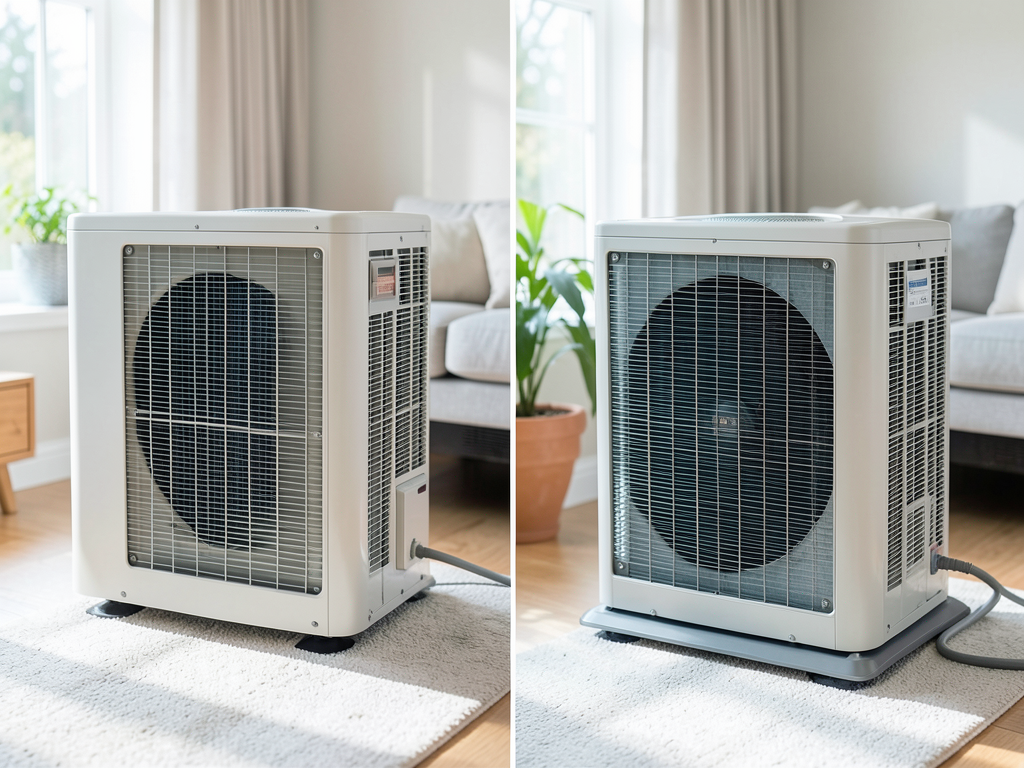
The Verdict Which Should You Choose
Best for large rural properties with available land and long-term ownership plans: Geothermal systems provide the lowest lifetime operating costs and highest comfort levels. The 25-30 year lifespan means you’ll likely replace an air source system twice during the geothermal system’s service life. Properties with annual heating and cooling costs exceeding $2,000 typically see payback periods of 7-10 years after incentives.
Best for immediate budget constraints or properties with limited space: Air source heat pumps offer reliable performance at a fraction of the upfront cost. Modern units provide excellent efficiency for Middle Tennessee’s climate and can be installed quickly when your existing system fails. These systems work well for homes under 2,500 square feet or those planning to move within 5-7 years.
Best for historic or architecturally sensitive properties: Air source heat pumps have smaller outdoor units and can be installed with minimal visual impact. Geothermal systems require extensive excavation that may not be suitable for properties with mature landscaping or historic structures.
Best for properties with existing solar or plans for renewable energy: Geothermal systems maximize the benefit of on-site power generation by using significantly less electricity than air source units. The combination can provide true net-zero heating and cooling when properly sized.
Call (615) 552-1922 today to schedule your inspection and get a detailed cost analysis for your specific property. Our technicians will evaluate your soil conditions, available space, and energy usage patterns to recommend the optimal system for your Leiper’s Fork home.
Frequently Asked Questions
How long does geothermal installation take in rural Williamson County?
Geothermal installation typically requires 3-5 days for complete system setup including ground loop installation drilling and indoor unit mounting. Weather conditions and soil complications can extend this timeline by 1-2 days in limestone-heavy areas. HVAC Mount Juliet.
Can air source heat pumps handle Nashville’s summer humidity?
Yes modern air source heat pumps handle Nashville’s humidity effectively through enhanced dehumidification cycles. However they may run longer during peak humidity periods compared to geothermal systems which maintain consistent performance regardless of outdoor moisture levels. Nashville AC Repair Companies That Actually Answer the Phone on Weekends.
What maintenance do geothermal systems require?
Geothermal systems require annual professional maintenance including checking refrigerant levels inspecting electrical connections and verifying loop pressure. The ground loops themselves typically need no maintenance for 25-50 years unless damaged by external factors. Storm Damage HVAC Repair.
Are there any properties where geothermal simply won’t work?
Properties under 0.5 acres with significant limestone outcroppings or those with deed restrictions limiting ground disturbance may not be suitable for geothermal installation. Air source heat pumps provide an effective alternative for these situations.
How do I know which system size I need?
Proper sizing requires a Manual J load calculation considering your home’s square footage insulation levels window orientation and local climate data. Our technicians perform detailed calculations to ensure your system meets heating and cooling demands without oversizing which reduces efficiency.
You may also find this helpful. Keeping Your HVAC Lines Safe from Foundation Shifts in Crieve Hall’s Clay Soil.
{
“@context”: “https://schema.org”,
“@type”: “BlogPosting”,
“headline”: “Geothermal vs Air Source Heat Pumps for Rural Leiper’s Fork Properties”,
“description”: “Compare geothermal and air source heat pumps for Leiper’s Fork properties. Learn about Nashville’s climate impact, installation costs, and long-term energy savings for rural Tennessee homes.”,
“wordCount”: 1395,
“datePublished”: “2026-05-13T06:55:00.000Z”,
“dateModified”: “2026-05-13T06:55:00.000Z”,
“inLanguage”: “en-US”,
“mainEntityOfPage”: {
“@type”: “WebPage”,
“@id”: “https://alphahvacnashville.com”
},
“publisher”: {
“@type”: “LocalBusiness”,
“name”: “Alpha HVAC Nashville”,
“url”: “https://alphahvacnashville.com”
},
“author”: {
“@type”: “Organization”,
“name”: “Alpha HVAC Nashville”,
“url”: “https://alphahvacnashville.com”
},
“image”: {
“@type”: “ImageObject”,
“url”: “https://alphahvacnashville.com/wp-content/uploads/2026/03/geothermal-vs-air-source-heat-pumps-for-rural-leip-1.png”
}
}
{
“@context”: “https://schema.org”,
“@type”: “HVACBusiness”,
“name”: “Alpha HVAC Nashville”,
“url”: “https://alphahvacnashville.com”,
“address”: {
“@type”: “PostalAddress”,
“addressLocality”: “Nashville”
},
“areaServed”: {
“@type”: “City”,
“name”: “Nashville”
}
}
{
“@context”: “https://schema.org”,
“@type”: “FAQPage”,
“mainEntity”: [
{
“@type”: “Question”,
“name”: “How long does geothermal installation take in rural Williamson County?”,
“acceptedAnswer”: {
“@type”: “Answer”,
“text”: “Geothermal installation typically requires 3-5 days for complete system setup including ground loop installation drilling and indoor unit mounting. Weather conditions and soil complications can extend this timeline by 1-2 days in limestone-heavy areas. HVAC Mount Juliet.”
}
},
{
“@type”: “Question”,
“name”: “Can air source heat pumps handle Nashville’s summer humidity?”,
“acceptedAnswer”: {
“@type”: “Answer”,
“text”: “Yes modern air source heat pumps handle Nashville’s humidity effectively through enhanced dehumidification cycles. However they may run longer during peak humidity periods compared to geothermal systems which maintain consistent performance regardless of outdoor moisture levels. Nashville AC Repair Companies That Actually Answer the Phone on Weekends.”
}
},
{
“@type”: “Question”,
“name”: “What maintenance do geothermal systems require?”,
“acceptedAnswer”: {
“@type”: “Answer”,
“text”: “Geothermal systems require annual professional maintenance including checking refrigerant levels inspecting electrical connections and verifying loop pressure. The ground loops themselves typically need no maintenance for 25-50 years unless damaged by external factors. Storm Damage HVAC Repair.”
}
},
{
“@type”: “Question”,
“name”: “How do I know which system size I need?”,
“acceptedAnswer”: {
“@type”: “Answer”,
“text”: “Proper sizing requires a Manual J load calculation considering your home’s square footage insulation levels window orientation and local climate data. Our technicians perform detailed calculations to ensure your system meets heating and cooling demands without oversizing which reduces efficiency.”
}
}
]
}
{
“@context”: “https://schema.org”,
“@type”: “BreadcrumbList”,
“itemListElement”: [
{
“@type”: “ListItem”,
“position”: 1,
“name”: “Home”,
“item”: “https://alphahvacnashville.com”
},
{
“@type”: “ListItem”,
“position”: 2,
“name”: “Blog”,
“item”: “https://alphahvacnashville.com/blog”
},
{
“@type”: “ListItem”,
“position”: 3,
“name”: “Geothermal vs Air Source Heat Pumps for Rural Leiper’s Fork Properties”
}
]
}
{
“@context”: “https://schema.org”,
“@type”: “Service”,
“serviceType”: “HVAC”,
“provider”: {
“@type”: “LocalBusiness”,
“name”: “Alpha HVAC Nashville”,
“url”: “https://alphahvacnashville.com”
},
“areaServed”: {
“@type”: “City”,
“name”: “Nashville”
},
“description”: “Compare geothermal and air source heat pumps for Leiper’s Fork properties. Learn about Nashville’s climate impact, installation costs, and long-term energy savings for rural Tennessee homes.”
}