
Keeping your Belmont Hillsboro renovation cool with small-duct high-velocity heating and air
Historic Belmont Hillsboro homes need cooling solutions that preserve architectural charm while delivering modern comfort. Small-duct high-velocity HVAC systems solve this problem by using flexible 2-inch mini-ducts instead of bulky ductwork, making them perfect for renovations where traditional installation would damage original plaster walls or ceiling details. The Best High Efficiency HVAC Systems for Luxury Homes in Brentwood.
How small-duct high-velocity systems work in Belmont Hillsboro homes
Small-duct high-velocity (SDHV) technology moves conditioned air through 2-inch flexible ducts at high speed. This creates the aspiration principle where air mixes quickly with room air, eliminating hot and cold spots. The system uses compact outlets about the size of a CD case that blend into walls or ceilings without disrupting historic trim work.
During installation, technicians map duct routes through existing wall cavities, floor joists, and attic spaces. The flexible ducts bend around obstacles without requiring major demolition. This approach preserves Belmont Hillsboro’s character-defining features like crown molding, wainscoting, and original hardwood floors. Why Your Green Hills Home Needs a Heating Tune Up Before the First Freeze.
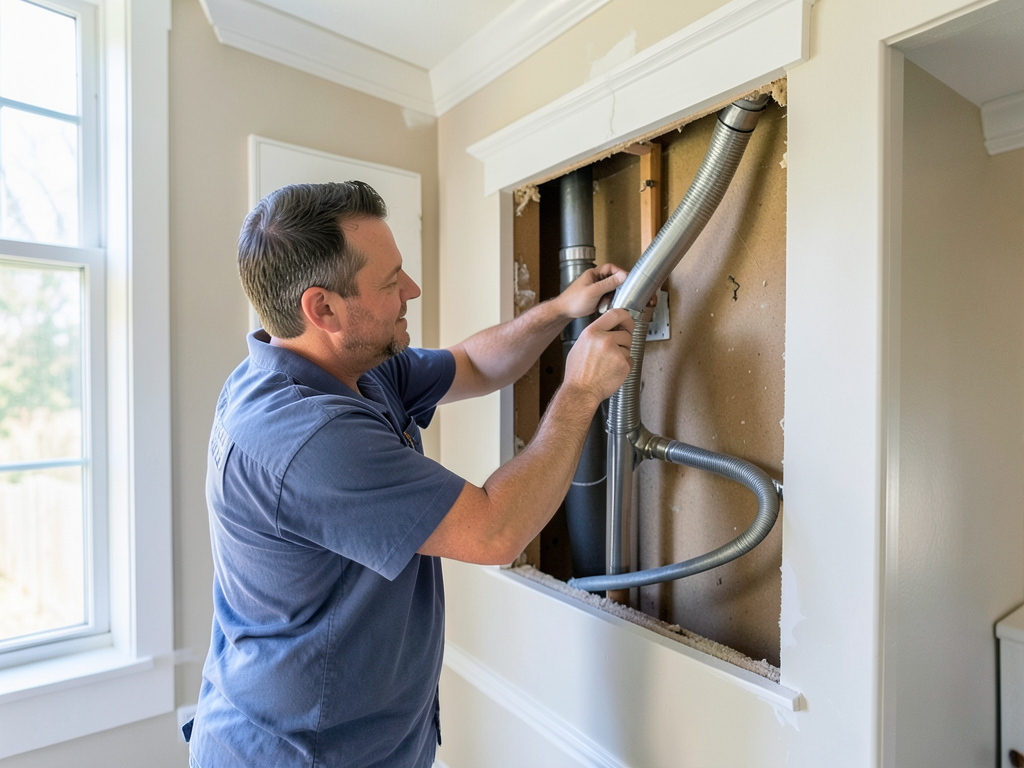
A technician installs flexible 2-inch mini-ducts through an existing wall cavity in a Belmont Hillsboro renovation, preserving original plaster and trim work.
Benefits for Belmont Hillsboro historic renovations
High-velocity systems remove 30% more humidity than traditional HVAC units. This matters in Nashville’s humid subtropical climate where moisture control prevents mold growth and protects historic wood features. The superior dehumidification also reduces cooling costs by allowing higher thermostat settings while maintaining comfort. Nashville Historic Commission.
Sound levels stay below 30 decibels when properly installed. This quiet operation preserves the peaceful atmosphere of Belmont Hillsboro’s tree-lined streets. The small outlets distribute air evenly without creating drafts that could damage delicate historic materials. Storm Damage HVAC Repair.
Energy efficiency improves through better air mixing. The aspiration principle eliminates temperature stratification where hot air rises and cold air settles near floors. This means consistent comfort from floor to ceiling without the energy waste of traditional systems.
Installation process for Belmont Hillsboro renovations
Technicians start with a detailed home assessment. They evaluate existing electrical capacity, available space for the air handler, and structural constraints. Most Belmont Hillsboro homes need electrical upgrades to support modern HVAC systems.
The installation follows a systematic approach. First, the outdoor condenser unit mounts on a vibration-isolated pad. Next, the indoor air handler installs in a utility space, attic, or closet. Then technicians run flexible ducts through walls using existing openings whenever possible.
Outlet placement requires careful planning. Installers position them for optimal air distribution while avoiding conflict with light fixtures, artwork, or architectural features. The small size allows placement in locations impossible for traditional registers.
Cost considerations for Belmont Hillsboro homeowners
High-velocity systems cost more upfront than traditional HVAC but save money long-term. Installation ranges from $12,000 to $25,000 depending on home size and complexity. The higher initial cost reflects specialized equipment and expertise required for historic renovations.
Energy savings offset the investment over time. High-velocity systems typically reduce cooling costs by 15-20% compared to older systems. The superior humidity control also extends the life of historic wood features by preventing moisture damage. Heating and Cooling Historic Germantown Homes Without Bulky Ductwork.
Many Belmont Hillsboro homeowners qualify for Nashville Electric Service rebates on high-efficiency systems. These rebates can reduce installation costs by several hundred dollars. The systems also increase property values by providing modern comfort without compromising historic character. Nashville AC Repair Companies That Actually Answer the Phone on Weekends.
Comparing high-velocity to other cooling options
| Feature | High-Velocity | Traditional Ducted | Mini-Split |
|---|---|---|---|
| Installation Impact | Minimal wall damage | Major demolition | Wall-mounted units |
| Humidity Control | Excellent | Good | Fair |
| Aesthetic Impact | Invisible outlets | Visible registers | Wall units visible |
| Energy Efficiency | High | Medium | High |
| Noise Level | Very quiet | Moderate | Quiet |
High-velocity systems excel where traditional ductwork fails. They work in homes with plaster walls, low ceilings, or limited attic space. The systems also handle Nashville’s humidity better than mini-splits, which struggle with moisture removal in our climate.
Maintenance requirements for Nashville’s climate
High-velocity systems need annual maintenance to handle Nashville’s pollen and humidity. Technicians clean the air handler, check refrigerant levels, and inspect ducts for leaks. The small ducts require special tools for cleaning that most HVAC companies don’t own.
Air filters need replacement every three months during peak seasons. The high-velocity air movement means more frequent filter changes than traditional systems. Using the right filter size prevents airflow restrictions that reduce system efficiency.
Drain lines require special attention in our humid climate. The superior moisture removal means more condensate production. Technicians check drain lines for clogs and ensure proper slope to prevent water damage to historic structures.
Historic preservation compliance
Belmont Hillsboro falls within Nashville’s historic preservation guidelines. High-velocity systems help homeowners meet these requirements by avoiding structural modifications. The small ducts and outlets preserve the visual integrity that preservation boards require.
Installation must follow specific protocols in historic districts. Technicians document existing conditions before work begins. They use dust containment and vibration-dampening techniques to protect delicate plaster and woodwork during installation.
Some historic homes need special electrical considerations. Older wiring may not support modern HVAC systems. Technicians coordinate with licensed electricians to ensure safe, code-compliant installations that preserve historic features.
Performance in Nashville’s extreme weather
High-velocity systems handle Nashville’s temperature swings effectively. The rapid air mixing means faster recovery when outdoor temperatures change suddenly. This matters during spring and fall when Nashville experiences 30-degree temperature swings in 24 hours.
The systems perform well during power fluctuations common in Middle Tennessee. The smaller air handlers draw less power than traditional systems, reducing strain on electrical systems during peak demand periods.
During severe weather, the compact design offers advantages. The outdoor units mount securely to prevent storm damage. The indoor components stay protected within the home’s structure, reducing vulnerability to lightning strikes.
Choosing the right contractor for Belmont Hillsboro
Not all HVAC companies understand historic renovation requirements. Look for contractors with specific experience in Belmont Hillsboro or similar historic districts. They should understand preservation guidelines and have relationships with preservation boards.
Ask about specific high-velocity experience. Contractors should name brands like Unico or SpacePak and explain the differences. They should also discuss moisture control strategies for Nashville’s climate and provide references from similar projects. EPA Energy Efficient Heating and Cooling.
Proper licensing matters in Nashville. Contractors need Tennessee mechanical contractor licenses and should carry adequate insurance. Ask about their warranty coverage and whether they handle permit requirements for historic districts.
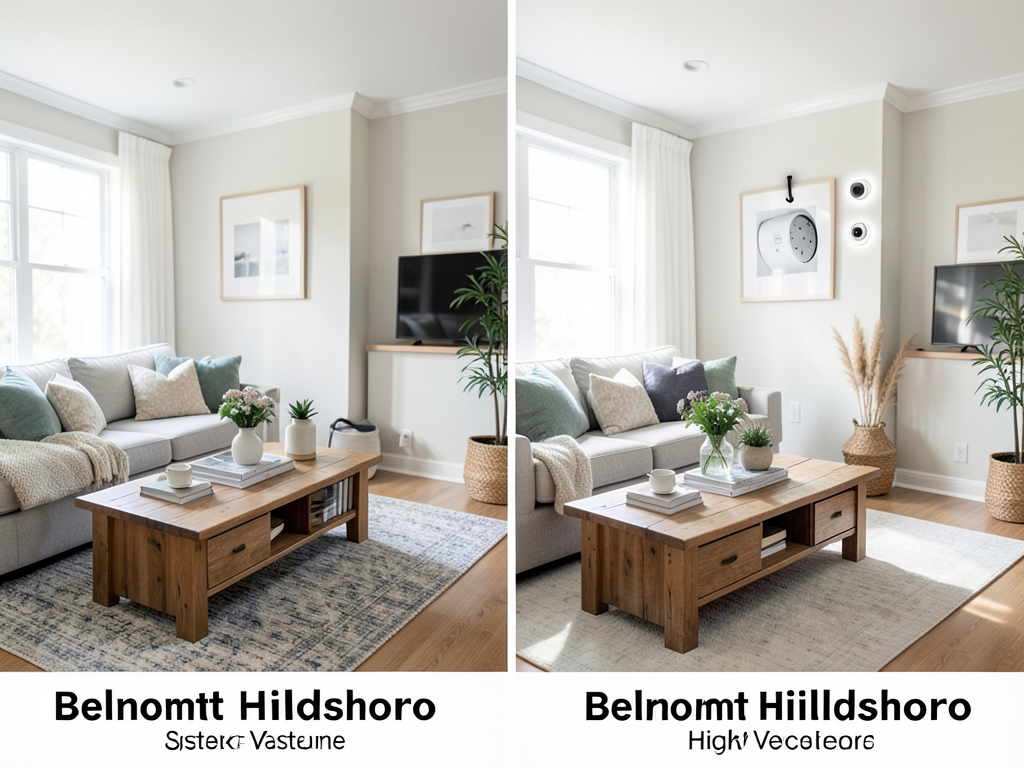
A before-and-after comparison showing a Belmont Hillsboro living room with and without visible high-velocity outlets, demonstrating the system’s aesthetic advantages.
Smart home integration
Modern high-velocity systems work with smart thermostats for enhanced control. Homeowners can adjust temperatures remotely, monitor energy usage, and create schedules that match their routines. This integration helps manage energy costs while maintaining comfort.
Zone control becomes possible with high-velocity systems. Different areas of the home can have independent temperature settings. This matters in historic homes where some rooms heat or cool differently due to sun exposure or insulation variations.
Integration with home automation systems allows voice control and automated responses to weather changes. The systems can adjust automatically when outdoor humidity levels spike, maintaining optimal indoor conditions without manual intervention.
Environmental considerations
High-velocity systems use environmentally friendly refrigerants that meet current EPA standards. The improved efficiency also reduces carbon footprint compared to older systems. Many systems qualify for ENERGY STAR certification, ensuring they meet strict efficiency guidelines.
The compact design means less material usage than traditional ductwork. The flexible ducts require fewer raw materials and create less construction waste. This aligns with sustainable renovation practices increasingly important in historic districts.
Better humidity control reduces the need for dehumidifiers, further lowering energy consumption. The systems also improve indoor air quality by filtering out allergens and pollutants common in urban environments.
Common concerns addressed
Noise concerns often arise with high-velocity systems. Modern units operate so quietly that most homeowners forget they’re running. The high air speed actually reduces noise by preventing the turbulence that causes traditional system sounds.
Airflow velocity worries prove unfounded in practice. The aspiration principle ensures comfortable air movement without drafts. Proper outlet placement eliminates the cold spots that sometimes occur with traditional systems.
Maintenance accessibility concerns disappear with proper planning. Technicians design systems with service access in mind. Most maintenance tasks require no special tools beyond what professional HVAC technicians already carry.
Long-term value for Belmont Hillsboro homeowners
High-velocity systems protect your renovation investment by preserving architectural integrity while providing modern comfort. The systems increase resale value by offering the best of both worlds: historic charm with contemporary efficiency.
The superior moisture control prevents costly repairs to historic materials. Wood floors, plaster walls, and decorative trim last longer when protected from humidity damage. This preservation aspect often justifies the higher initial cost.
Energy savings accumulate over the system’s 15-20 year lifespan. The combination of efficiency and humidity control means lower utility bills year-round. Many homeowners recoup their investment through energy savings within 5-7 years.
Getting started with your Belmont Hillsboro renovation
Begin with a professional assessment of your home’s cooling needs. A qualified contractor should evaluate your existing system, insulation levels, and renovation plans. They should also discuss your comfort preferences and budget constraints.
Plan the installation timeline carefully. High-velocity systems install faster than traditional ductwork but still require several days. Schedule the work during moderate weather when temporary cooling solutions are available if needed.
Consider the full scope of your renovation. High-velocity systems integrate well with other improvements like insulation upgrades or window replacements. A coordinated approach often reduces overall costs and disruption.
A technical diagram showing how small-duct high-velocity systems use the aspiration principle to mix air rapidly, eliminating hot and cold spots in historic homes.
Frequently Asked Questions
Can high-velocity systems cool my entire Belmont Hillsboro home?
Yes, properly sized high-velocity systems can cool homes up to 3,000 square feet effectively. The key is professional load calculation to ensure the system matches your home’s specific needs.
Will the small outlets match my historic decor?
Absolutely. The outlets come in various finishes and can be painted to match walls or trim. Their small size means they blend into the background rather than standing out like traditional registers.
How long does installation take in a historic home?
Most installations complete in 3-5 days depending on home size and complexity. Historic homes may take slightly longer due to careful preservation practices and coordination with other renovation work.
Are these systems noisy?
Modern high-velocity systems operate at whisper-quiet levels, typically under 30 decibels. The high air speed actually reduces noise by preventing the turbulence that causes traditional system sounds.
Ready to upgrade your Belmont Hillsboro renovation?
High-velocity HVAC systems offer the perfect solution for Belmont Hillsboro historic renovations. They provide modern comfort without compromising architectural integrity. The superior humidity control, quiet operation, and energy efficiency make them worth considering for any renovation project.
Call (615) 552-1922 today to schedule your free consultation. Our experienced technicians understand Belmont Hillsboro’s unique requirements and can design a system that preserves your home’s character while delivering exceptional comfort.
Don’t let cooling challenges derail your renovation plans. With high-velocity technology, you can maintain your home’s historic charm while enjoying modern comfort. Contact us now to learn how we can help your Belmont Hillsboro renovation succeed.
{
“@context”: “https://schema.org”,
“@type”: “BlogPosting”,
“headline”: “Keeping your Belmont Hillsboro renovation cool with small-duct high-velocity heating and air”,
“description”: “Learn how small-duct high-velocity HVAC systems solve space and humidity challenges in Belmont Hillsboro historic renovations. Expert installation by Nashville’s Alpha HVAC.”,
“wordCount”: 1894,
“datePublished”: “2026-04-29T07:07:00.000Z”,
“dateModified”: “2026-04-29T07:07:00.000Z”,
“inLanguage”: “en-US”,
“mainEntityOfPage”: {
“@type”: “WebPage”,
“@id”: “https://alphahvacnashville.com”
},
“publisher”: {
“@type”: “LocalBusiness”,
“name”: “Alpha HVAC Nashville”,
“url”: “https://alphahvacnashville.com”
},
“author”: {
“@type”: “Organization”,
“name”: “Alpha HVAC Nashville”,
“url”: “https://alphahvacnashville.com”
},
“image”: {
“@type”: “ImageObject”,
“url”: “https://alphahvacnashville.com/wp-content/uploads/2026/03/keeping-your-belmont-hillsboro-renovation-cool-wit-1.png”
}
}
{
“@context”: “https://schema.org”,
“@type”: “HVACBusiness”,
“name”: “Alpha HVAC Nashville”,
“url”: “https://alphahvacnashville.com”,
“address”: {
“@type”: “PostalAddress”,
“addressLocality”: “Nashville”
},
“areaServed”: {
“@type”: “City”,
“name”: “Nashville”
}
}
{
“@context”: “https://schema.org”,
“@type”: “FAQPage”,
“mainEntity”: [
{
“@type”: “Question”,
“name”: “Can high-velocity systems cool my entire Belmont Hillsboro home?”,
“acceptedAnswer”: {
“@type”: “Answer”,
“text”: “Yes, properly sized high-velocity systems can cool homes up to 3,000 square feet effectively. The key is professional load calculation to ensure the system matches your home’s specific needs.”
}
},
{
“@type”: “Question”,
“name”: “Will the small outlets match my historic decor?”,
“acceptedAnswer”: {
“@type”: “Answer”,
“text”: “Absolutely. The outlets come in various finishes and can be painted to match walls or trim. Their small size means they blend into the background rather than standing out like traditional registers.”
}
},
{
“@type”: “Question”,
“name”: “How long does installation take in a historic home?”,
“acceptedAnswer”: {
“@type”: “Answer”,
“text”: “Most installations complete in 3-5 days depending on home size and complexity. Historic homes may take slightly longer due to careful preservation practices and coordination with other renovation work.”
}
},
{
“@type”: “Question”,
“name”: “Are these systems noisy?”,
“acceptedAnswer”: {
“@type”: “Answer”,
“text”: “Modern high-velocity systems operate at whisper-quiet levels, typically under 30 decibels. The high air speed actually reduces noise by preventing the turbulence that causes traditional system sounds.”
}
},
{
“@type”: “Question”,
“name”: “Ready to upgrade your Belmont Hillsboro renovation?”,
“acceptedAnswer”: {
“@type”: “Answer”,
“text”: “High-velocity HVAC systems offer the perfect solution for Belmont Hillsboro historic renovations. They provide modern comfort without compromising architectural integrity. The superior humidity control, quiet operation, and energy efficiency make them worth considering for any renovation project.”
}
}
]
}
{
“@context”: “https://schema.org”,
“@type”: “BreadcrumbList”,
“itemListElement”: [
{
“@type”: “ListItem”,
“position”: 1,
“name”: “Home”,
“item”: “https://alphahvacnashville.com”
},
{
“@type”: “ListItem”,
“position”: 2,
“name”: “Blog”,
“item”: “https://alphahvacnashville.com/blog”
},
{
“@type”: “ListItem”,
“position”: 3,
“name”: “Keeping your Belmont Hillsboro renovation cool with small-duct high-velocity heating and air”
}
]
}
{
“@context”: “https://schema.org”,
“@type”: “Service”,
“serviceType”: “HVAC”,
“provider”: {
“@type”: “LocalBusiness”,
“name”: “Alpha HVAC Nashville”,
“url”: “https://alphahvacnashville.com”
},
“areaServed”: {
“@type”: “City”,
“name”: “Nashville”
},
“description”: “Learn how small-duct high-velocity HVAC systems solve space and humidity challenges in Belmont Hillsboro historic renovations. Expert installation by Nashville’s Alpha HVAC.”
}