
What to do if you suspect a gas leak in your Madison furnace or stove line
If you smell a strong sulfur odor near your furnace or stove in Madison your first priority is safety. Natural gas is odorless but utility companies add mercaptan to create that rotten egg smell as a warning. Evacuate your home immediately without touching light switches or phones and call Piedmont Natural Gas at 800-400-5251 from a safe location. This guide covers the signs of a leak immediate steps to take and why Madison homes are especially vulnerable to gas line issues. Piedmont Natural Gas emergency line.
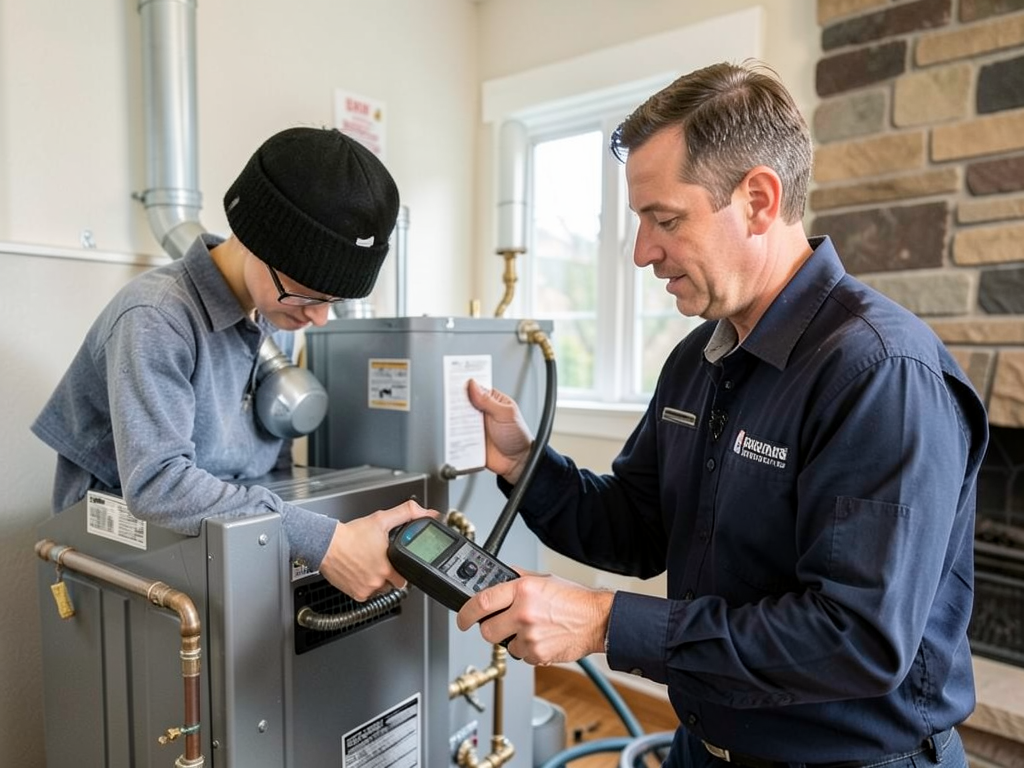
The ‘Rotten Egg’ Smell: Understanding Mercaptan
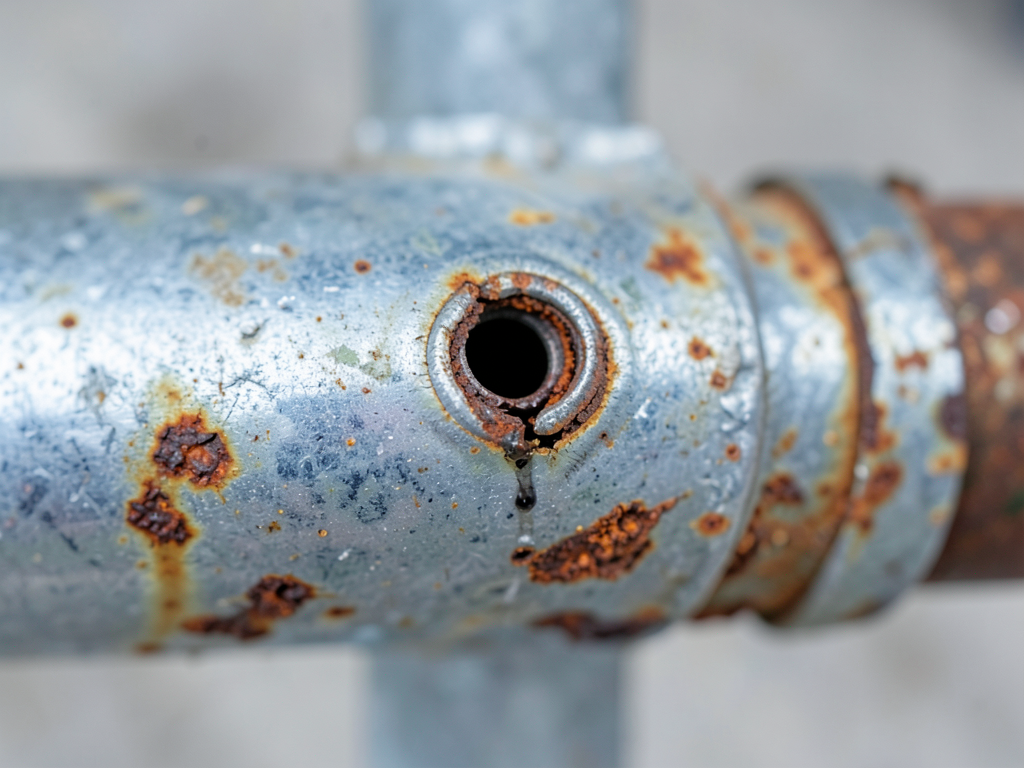
Natural gas is colorless and odorless making leaks nearly impossible to detect without additives. Piedmont Natural Gas and other providers inject mercaptan a sulfur-based compound that smells like rotten eggs. If you notice this odor near your furnace or stove it means gas is escaping into your living space. The smell is not faint it is strong and unmistakable. Madison homes built before 2000 often have aging galvanized steel lines that corrode faster in Tennessee’s humid climate creating small pinhole leaks that slowly release gas.. Read more about Keeping Your HVAC Lines Safe from Foundation Shifts in Crieve Hall’s Clay Soil.
Physical Symptoms of Gas Exposure
Natural gas displaces oxygen in enclosed spaces causing physical symptoms in humans and pets. Early signs include dizziness nausea headaches and fatigue. You may feel better when stepping outside but symptoms return indoors. Pets often show signs first because they are closer to the floor where gas accumulates. Birds are especially sensitive and may become lethargic or die suddenly. If multiple people or pets in your Madison home feel unwell without explanation leave immediately and do not reenter until professionals verify safety.
Environmental Red Flags Around Your Furnace
Gas leaks create visible and audible clues around your furnace. Listen for a hissing sound near the gas valve or manifold which indicates high-pressure gas escaping. Look for dead houseplants near the furnace as natural gas kills vegetation. Condensation on windows above the furnace suggests combustion issues. A yellow or flickering pilot light instead of a steady blue flame means incomplete combustion possibly from a cracked heat exchanger. Soot stains around the furnace base indicate backdrafting of combustion gases. These signs require immediate professional inspection.
What to Do If You Suspect a Leak in Nashville
Step one is evacuation. Do not search for the leak source or try to shut off the gas yourself. Leave doors open as you exit to help ventilate. Do not use any electrical devices including phones until you are at least 50 feet from your home. Once safe call Piedmont Natural Gas emergency line at 800-400-5251. If you smell gas outside near the meter call the same number. For immediate fire danger call 911. Nashville Fire Department responds to gas emergencies with gas detection equipment. Do not return until authorities clear the scene. Nashville AC Repair Companies That Actually Answer the Phone on Weekends.
After the immediate danger passes contact a licensed HVAC contractor for inspection. In Madison aging furnace heat exchangers commonly crack after 15 years of service. A NATE-certified technician uses a combustion analyzer to test for carbon monoxide and checks gas line pressure with a manometer. Repairs must follow Tennessee State Fire Marshal mechanical codes which require pressure testing of repaired lines. Never hire an unlicensed handyman for gas work.
Preventing Future Leaks with Professional Maintenance
Annual furnace inspections catch problems before they become emergencies. A technician checks the heat exchanger for cracks using a boroscope camera checks gas valve operation and tests for carbon monoxide spillage. Madison homes benefit from fall maintenance before winter heating season when emergency repair demand spikes. Install carbon monoxide detectors on every level especially near bedrooms. Test detectors monthly and replace batteries annually. Consider upgrading to a high-efficiency furnace with sealed combustion which reduces indoor air quality risks. Call (615) 552-1922 today to schedule your inspection. The Best High Efficiency HVAC Systems for Luxury Homes in Brentwood.
Gas Shut-Off Valve Locations in Standard Nashville Homes
Knowing your gas shut-off valve location saves critical time during emergencies. Most Nashville homes have the main shut-off outside near the gas meter. Turn the valve 90 degrees to the pipe to shut off gas flow. Individual appliance shut-offs exist near furnaces and stoves. The valve handle aligns with the pipe when open and crosses it when closed. Practice locating these valves when you move in. Keep a wrench accessible but never use it unless you smell gas or hear hissing. After shutting off gas do not turn it back on yourself Piedmont Natural Gas must restore service.
Dead Houseplants as a Sign of Gas Accumulation
Plants die when exposed to natural gas because it displaces oxygen and contains compounds toxic to vegetation. If healthy plants near your furnace suddenly wilt or turn brown investigate immediately. This often indicates a slow leak that has been releasing gas for days or weeks. The gas accumulates near the floor affecting shorter plants first. Combined with other signs like headaches or pilot light issues this points to a furnace issue requiring professional diagnosis. Madison’s older homes with crawl spaces may have gas pooling undetected until plants show damage. Storm Damage HVAC Repair.
Combustion Analyzer Testing for Hidden Leaks
Professional HVAC technicians use combustion analyzers to detect problems invisible to homeowners. The device measures oxygen carbon monoxide and other gases in flue gases. Abnormal readings indicate incomplete combustion possibly from a cracked heat exchanger or blocked vent. Technicians also use electronic gas detectors that sense natural gas concentrations as low as 10 parts per million. These tools find leaks before they become dangerous. Testing takes 15-20 minutes during routine maintenance. Madison homeowners should request combustion analysis especially for furnaces over 10 years old.
Madison’s Vulnerability to Gas Line Issues
Madison’s mix of mid-century ranches and newer developments creates unique gas line challenges. Homes built during Nashville’s 1970s boom used galvanized steel lines that corrode from the inside out. The Cumberland River floodplain areas have soil with higher moisture content accelerating pipe deterioration. Madison’s temperature swings from summer heat to winter cold cause pipes to expand and contract stressing joints. Local building codes now require corrugated stainless steel tubing for new installations which resists corrosion better than steel. If your Madison home predates 2000 consider a gas line inspection before problems occur.
Call (615) 552-1922 today to schedule your inspection. Do not wait for symptoms to appear. A 30-minute safety check could prevent a dangerous emergency and protect your family’s health.
Frequently Asked Questions
How can I tell if my furnace has a gas leak?
Look for a strong rotten egg smell dead plants near the furnace hissing sounds or a yellow pilot light. Physical symptoms like dizziness when indoors also indicate possible gas exposure.
Is a small gas leak dangerous?
Yes. Even small leaks can cause carbon monoxide poisoning explosions or fires. Gas accumulates in enclosed spaces and becomes dangerous over time.
Who do I call if I smell gas in Madison?
Evacuate immediately then call Piedmont Natural Gas at 800-400-5251 from a safe location. For fire danger call 911.
How often should I inspect my gas furnace?
Annual inspections by a licensed HVAC technician catch problems early. Fall maintenance before heating season is ideal for Madison homes. Heating and Cooling Historic Germantown Homes Without Bulky Ductwork.
Can I fix a gas leak myself?
No. Gas line repairs require special tools and must follow Tennessee mechanical codes. DIY repairs create explosion and poisoning risks.
{
“@context”: “https://schema.org”,
“@type”: “BlogPosting”,
“headline”: “What to do if you suspect a gas leak in your Madison furnace or stove line”,
“description”: “If you smell gas in your Madison home, evacuate immediately and call Piedmont Natural Gas. Learn the signs, symptoms, and emergency steps every Nashville homeowner must know.”,
“wordCount”: 1250,
“datePublished”: “2026-05-07T06:52:00.000Z”,
“dateModified”: “2026-05-07T06:52:00.000Z”,
“inLanguage”: “en-US”,
“mainEntityOfPage”: {
“@type”: “WebPage”,
“@id”: “https://alphahvacnashville.com”
},
“publisher”: {
“@type”: “LocalBusiness”,
“name”: “Alpha HVAC Nashville”,
“url”: “https://alphahvacnashville.com”
},
“author”: {
“@type”: “Organization”,
“name”: “Alpha HVAC Nashville”,
“url”: “https://alphahvacnashville.com”
},
“image”: {
“@type”: “ImageObject”,
“url”: “https://alphahvacnashville.com/wp-content/uploads/2026/03/what-to-do-if-you-suspect-a-gas-leak-in-your-madis-1.png”
}
}
{
“@context”: “https://schema.org”,
“@type”: “HVACBusiness”,
“name”: “Alpha HVAC Nashville”,
“url”: “https://alphahvacnashville.com”,
“address”: {
“@type”: “PostalAddress”,
“addressLocality”: “Nashville”
},
“areaServed”: {
“@type”: “City”,
“name”: “Nashville”
}
}
{
“@context”: “https://schema.org”,
“@type”: “FAQPage”,
“mainEntity”: [
{
“@type”: “Question”,
“name”: “How can I tell if my furnace has a gas leak?”,
“acceptedAnswer”: {
“@type”: “Answer”,
“text”: “Look for a strong rotten egg smell dead plants near the furnace hissing sounds or a yellow pilot light. Physical symptoms like dizziness when indoors also indicate possible gas exposure.”
}
},
{
“@type”: “Question”,
“name”: “Is a small gas leak dangerous?”,
“acceptedAnswer”: {
“@type”: “Answer”,
“text”: “Yes. Even small leaks can cause carbon monoxide poisoning explosions or fires. Gas accumulates in enclosed spaces and becomes dangerous over time.”
}
},
{
“@type”: “Question”,
“name”: “Who do I call if I smell gas in Madison?”,
“acceptedAnswer”: {
“@type”: “Answer”,
“text”: “Evacuate immediately then call Piedmont Natural Gas at 800-400-5251 from a safe location. For fire danger call 911.”
}
},
{
“@type”: “Question”,
“name”: “How often should I inspect my gas furnace?”,
“acceptedAnswer”: {
“@type”: “Answer”,
“text”: “Annual inspections by a licensed HVAC technician catch problems early. Fall maintenance before heating season is ideal for Madison homes. Heating and Cooling Historic Germantown Homes Without Bulky Ductwork.”
}
},
{
“@type”: “Question”,
“name”: “Can I fix a gas leak myself?”,
“acceptedAnswer”: {
“@type”: “Answer”,
“text”: “No. Gas line repairs require special tools and must follow Tennessee mechanical codes. DIY repairs create explosion and poisoning risks.”
}
}
]
}
{
“@context”: “https://schema.org”,
“@type”: “BreadcrumbList”,
“itemListElement”: [
{
“@type”: “ListItem”,
“position”: 1,
“name”: “Home”,
“item”: “https://alphahvacnashville.com”
},
{
“@type”: “ListItem”,
“position”: 2,
“name”: “Blog”,
“item”: “https://alphahvacnashville.com/blog”
},
{
“@type”: “ListItem”,
“position”: 3,
“name”: “What to do if you suspect a gas leak in your Madison furnace or stove line”
}
]
}
{
“@context”: “https://schema.org”,
“@type”: “Service”,
“serviceType”: “HVAC”,
“provider”: {
“@type”: “LocalBusiness”,
“name”: “Alpha HVAC Nashville”,
“url”: “https://alphahvacnashville.com”
},
“areaServed”: {
“@type”: “City”,
“name”: “Nashville”
},
“description”: “If you smell gas in your Madison home, evacuate immediately and call Piedmont Natural Gas. Learn the signs, symptoms, and emergency steps every Nashville homeowner must know.”
}