
Managing the crazy forty degree temperature swings in Franklin without breaking your HVAC
Franklin homeowners know the drill. One day it’s 75 degrees and sunny. The next morning you’re scraping frost off your windshield. These forty-degree temperature swings put serious stress on your heating and cooling system. The constant cycling between heating and cooling modes can wear out components faster than you’d expect. Heating and Cooling Historic Germantown Homes Without Bulky Ductwork.
Your HVAC system works hardest during these transitional months. Spring and fall in Middle Tennessee bring humidity spikes, pollen storms, and temperature rollercoasters. Without proper management, you risk short cycling, frozen coils, and premature system failure. The good news? A few smart adjustments can keep your system running smoothly through every wild weather swing. Tennessee Valley Authority (TVA).
Understanding Franklin’s unique climate challenges
Franklin sits in the heart of Middle Tennessee’s humid subtropical zone. The Cumberland River Valley creates its own microclimate with heavy spring storms and intense summer humidity. Local soil conditions add another layer of complexity. Franklin’s heavy red clay soil expands and contracts with moisture changes, which can shift your home’s foundation and affect HVAC ductwork alignment. Storm Damage HVAC Repair.
The region experiences what locals call “four seasons in one week” during April and October. These volatile shoulder seasons test even the best HVAC systems. Your condenser unit faces pollen buildup from Tennessee’s famous spring blooms. The same unit then battles falling leaves and debris in autumn. This constant environmental stress requires specific maintenance approaches that generic national advice simply doesn’t cover. The Best High Efficiency HVAC Systems for Luxury Homes in Brentwood.
Franklin’s proximity to Nashville means it shares the same TVA power grid challenges. During extreme temperature swings, NES (Nashville Electric Service) often issues peak demand alerts. Smart thermostat scheduling becomes crucial not just for comfort but for avoiding higher utility rates during these critical periods. Nashville AC Repair Companies That Actually Answer the Phone on Weekends.
Smart thermostat strategies for shoulder season survival
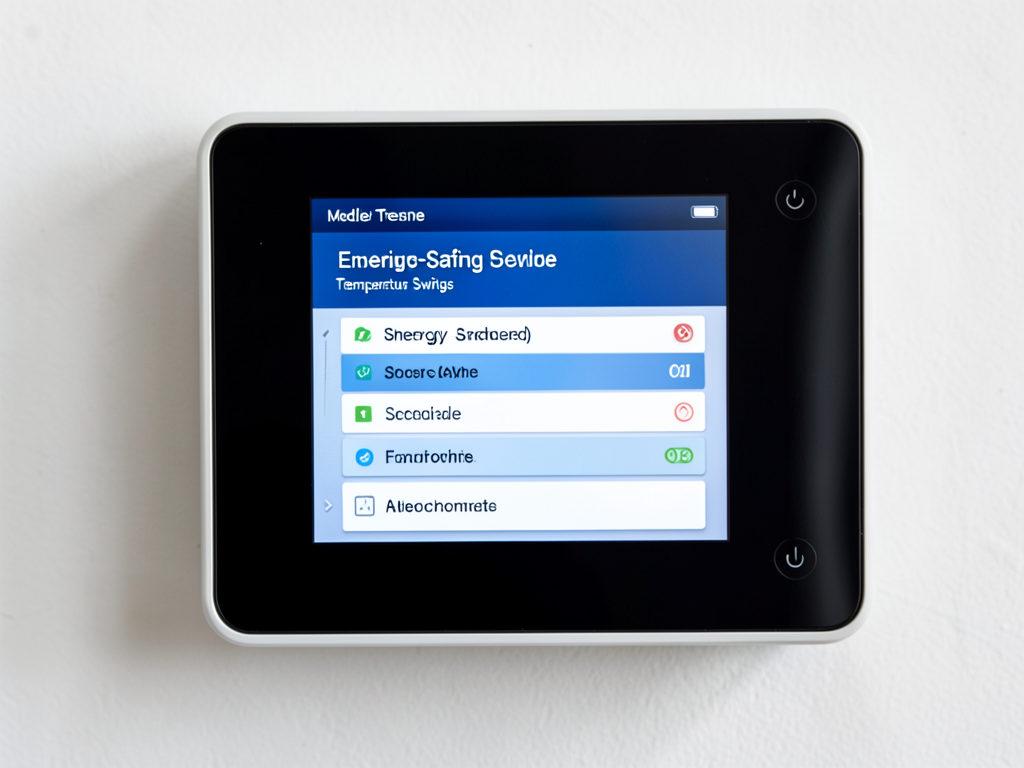
The key to surviving Franklin’s temperature swings lies in strategic thermostat management. During spring and fall, avoid dramatic temperature changes. Instead of cranking the thermostat up or down by ten degrees, make smaller two to three-degree adjustments. This prevents your system from short cycling, which is when the compressor turns on and off repeatedly in a short period.. Read more about Why a dual fuel system is the smartest way to heat and cool your Fairview home.
Set your thermostat to “auto” mode rather than “on” during these volatile months. The auto setting allows your system to reach the target temperature and then shut off, while “on” keeps the fan running continuously. In Franklin’s high humidity, continuous fan operation can actually reintroduce moisture into your home as air passes over the damp indoor coil.
Consider a “dead band” approach during shoulder seasons. Set a temperature range where neither heating nor cooling activates. For example, if you set your cooling to 74 degrees and heating to 68 degrees, your system won’t try to heat or cool when temperatures hover between those points. This gives your compressor a much-needed break during those perfect 70-degree days.
Modern smart thermostats can learn your patterns and adjust automatically. They’ll recognize when outdoor temperatures stabilize and shift to more efficient operation modes. Some even integrate with local weather data to anticipate temperature swings before they happen.
Humidity control: The hidden battle in Middle Tennessee
Franklin’s humidity levels often exceed 80% during spring and early summer. Your air conditioner does double duty, cooling your home while removing moisture from the air. When outdoor temperatures fluctuate wildly, your system struggles to maintain both comfort and proper humidity levels.
Ideal indoor humidity ranges from 30% to 50%. Above 60%, you risk mold growth and dust mite proliferation. Below 30%, static electricity and dry sinuses become problems. Your HVAC system needs to hit this sweet spot consistently, even when outdoor conditions change by the hour.
Many Franklin homeowners don’t realize their AC might be cooling effectively but failing at dehumidification. Signs include clammy air, foggy windows, or a musty smell. These symptoms often appear during shoulder seasons when your system runs intermittently rather than maintaining a steady cooling cycle.
Consider a whole-home dehumidifier if you notice persistent humidity issues. These units work alongside your existing HVAC system, providing dedicated moisture removal without overcooling your home. They’re particularly valuable in Franklin’s historic districts where older homes often lack proper vapor barriers. Whole Home Humidifiers.
Heat pump considerations for Franklin’s freeze-thaw cycles
Heat pumps face unique challenges during Franklin’s unpredictable winters. When temperatures hover near freezing, your heat pump must work overtime to extract warmth from the outside air. The constant freeze-thaw cycles create ice buildup on the outdoor unit, triggering defrost cycles that use supplemental electric heat.
During defrost mode, your system temporarily switches to cooling to melt ice off the outdoor coil. This can feel like your system is blowing cold air when you want heat. Understanding this normal operation prevents unnecessary service calls. However, frequent defrost cycles indicate problems like low refrigerant or restricted airflow.
Franklin’s clay soil affects heat pump performance more than many realize. Poor drainage around the outdoor unit leads to standing water, which freezes and creates ice barriers. Ensure your heat pump sits on a raised concrete pad with proper gravel drainage. The pad should slope slightly away from your foundation.
Emergency heat strips provide backup when temperatures drop below your heat pump’s effective range, typically around 35 degrees. However, these electric resistance heaters consume three times more energy than your heat pump. Use them sparingly and consider a dual-fuel system that switches to a gas furnace during extreme cold.
Seasonal maintenance checklist for Franklin homeowners
Proper maintenance prevents 80% of HVAC failures during temperature swings. Start with your air filter. In Franklin’s pollen-heavy springs, replace one-inch filters every 30 days instead of the standard 90 days. Consider upgrading to a MERV 8 to 11 filter during peak allergy seasons to trap more airborne particles.
Inspect your outdoor condenser unit monthly during shoulder seasons. Clear away debris, leaves, and grass clippings that accumulate around the unit. Maintain at least two feet of clearance on all sides for proper airflow. After spring storms, check for damage from falling branches or wind-blown debris.
Examine your condensate drain line regularly. Franklin’s humidity means your AC removes significant moisture from the air. A clogged drain line causes water backup, potentially damaging your system or creating indoor moisture problems. Flush the line with a mixture of vinegar and water every few months.
Test your thermostat’s accuracy with a separate thermometer. If readings differ by more than two degrees, your thermostat may need calibration or replacement. Consider upgrading to a learning thermostat that adapts to your schedule and local weather patterns automatically.
Schedule professional maintenance twice yearly. Spring service prepares your AC for summer’s demands. Fall service ensures your heating system handles winter’s coldest nights. During these visits, technicians check refrigerant levels, electrical connections, and mechanical components that wear out during heavy cycling.
Energy efficiency strategies for NES customers
Nashville Electric Service offers time-of-use rates that can save you money if you adjust your HVAC usage accordingly. Peak hours typically run from 2 PM to 7 PM on summer weekdays. During these times, electricity costs significantly more than off-peak hours.
Program your thermostat to pre-cool your home before peak hours begin. Drop the temperature by a degree or two in the late morning, then allow it to rise slightly during peak periods. Your home’s thermal mass will maintain comfort while avoiding expensive electricity during the highest-demand hours.
Take advantage of TVA’s energy right programs if you qualify. These initiatives offer rebates for energy-efficient HVAC upgrades and smart thermostats. Some programs even provide free home energy audits to identify specific improvements for your Franklin home.
Consider ceiling fans as your secret weapon. They create a wind-chill effect that makes rooms feel four to six degrees cooler. This allows you to set your thermostat higher in summer without sacrificing comfort. In winter, reverse the fan direction to push warm air down from the ceiling.
Seal and insulate ductwork, especially in unconditioned spaces like attics or crawl spaces. Franklin’s older homes often have leaky ducts that waste 20% to 30% of conditioned air. Professional duct sealing can dramatically improve system efficiency and comfort consistency throughout your home.
Warning signs your system needs professional attention
Certain symptoms indicate your HVAC system struggles with Franklin’s temperature swings. Short cycling, where your system turns on and off every few minutes, signals problems ranging from dirty filters to refrigerant leaks. This constant starting and stopping accelerates wear on compressors and motors.
Listen for unusual noises during temperature transitions. Grinding sounds suggest failing bearings in the blower motor. Hissing might indicate refrigerant leaks. Clicking that persists after the system starts often points to failing capacitors or contactors. These electrical components work hardest during startup, making them vulnerable during frequent cycling.
Watch for uneven heating or cooling across different rooms. This symptom suggests ductwork issues, inadequate system sizing, or failing zone controls. Franklin’s historic homes often have these problems due to renovations that didn’t account for HVAC system capacity.
Check your energy bills for unexplained increases. If your usage jumps 20% or more without changing your habits, your system likely struggles with efficiency. This often happens when older units try to handle modern temperature extremes they weren’t designed for.
Don’t ignore ice buildup on refrigerant lines or the outdoor unit. This indicates airflow restrictions, low refrigerant, or failing components. Running a system with ice accumulation causes compressor damage that requires expensive repairs or replacement.
Emergency preparedness for HVAC failures
Franklin’s weather extremes can strike without warning. Having an emergency plan prevents panic when your HVAC system fails during a temperature swing. Keep emergency contact numbers readily available, including your HVAC company’s after-hours service line.
Maintain backup heating and cooling options. Portable fans help during summer outages. Space heaters provide emergency warmth in winter, but use them safely and never leave them unattended. Know which rooms stay most comfortable during outages based on sun exposure and insulation.
Invest in surge protectors for your HVAC system. Franklin’s spring thunderstorms bring power surges that can damage sensitive electronic controls. Whole-home surge protection costs far less than replacing a damaged control board or compressor.
Keep spare air filters on hand and know how to change them. During pollen season, you might need to replace filters more frequently than expected. A clean filter can mean the difference between a system that struggles and one that handles temperature extremes smoothly.
Document your system’s normal operation sounds and cycles. This baseline helps you recognize problems early. When something sounds or feels different, you’ll know it’s time to call for professional diagnosis before minor issues become major failures.
Frequently Asked Questions
What temperature should I set my thermostat during Franklin’s spring and fall seasons?
Set your cooling to 74-78 degrees and heating to 68-72 degrees during shoulder seasons. Use a dead band between these settings to prevent constant cycling. This approach maintains comfort while reducing system wear during Franklin’s volatile temperature swings.
How often should I replace my air filter during pollen season in Middle Tennessee?
Replace one-inch filters every 30 days during peak pollen seasons (March through May and September through November). Consider upgrading to a higher MERV rating during these months. Franklin’s heavy pollen counts clog filters faster than national averages suggest.
Why does my heat pump run constantly when temperatures hover around freezing?
Heat pumps work hardest when outdoor temperatures approach freezing because they must extract heat from very cold air. The system runs continuously to maintain indoor comfort. This is normal operation, but if your home still feels cold, check for restricted airflow or low refrigerant levels.
Can I save money by turning my thermostat way down at night during winter?
Small temperature setbacks (3-5 degrees) save energy, but large setbacks force your system to run at full capacity for hours to recover. In Franklin’s humid climate, this can actually increase energy usage. Maintain consistent temperatures for best efficiency.
How do I know if my HVAC system is properly sized for Franklin’s climate?
A properly sized system runs consistent cycles rather than short bursts or continuous operation. If your system can’t maintain set temperatures during extreme weather or cycles on and off every few minutes, it may be improperly sized for Middle Tennessee’s demands.

Take control of your comfort before the next temperature swing
Franklin’s forty-degree temperature swings don’t have to break your HVAC system. With smart thermostat management, proper maintenance, and humidity control, your heating and cooling equipment can handle whatever Middle Tennessee weather throws at it. The key is preparation and understanding how our unique climate affects system performance.
Don’t wait for your system to fail during the next wild weather swing. Call (615) 552-1922 today to schedule your seasonal maintenance check. Our Middle Tennessee HVAC experts know exactly what your system needs to survive Franklin’s unpredictable shoulder seasons. Whether you need a simple tune-up or are considering an upgrade to handle our extreme conditions, we’re here to help you stay comfortable year-round.
Pick up the phone and call (615) 552-1922 before the next temperature rollercoaster hits. Your HVAC system works hard enough without fighting against poor maintenance and outdated settings. Let us help you optimize your system for Franklin’s unique climate challenges. We’ll ensure your home stays comfortable while protecting your equipment from the stress of constant temperature swings. For more information, visit Metro Water Services.
You may also find this helpful. Why cleaning your own AC coils in Bordeaux might actually do more harm than good.
{
“@context”: “https://schema.org”,
“@type”: “BlogPosting”,
“headline”: “Managing the crazy forty degree temperature swings in Franklin without breaking your HVAC”,
“description”: “Struggling with Middle Tennessee’s wild temperature swings? Learn how to protect your HVAC system through Franklin’s unpredictable shoulder seasons with expert tips.”,
“wordCount”: 2245,
“datePublished”: “2026-05-11T09:22:00.000Z”,
“dateModified”: “2026-05-11T09:22:00.000Z”,
“inLanguage”: “en-US”,
“mainEntityOfPage”: {
“@type”: “WebPage”,
“@id”: “https://alphahvacnashville.com”
},
“publisher”: {
“@type”: “LocalBusiness”,
“name”: “Alpha HVAC Nashville”,
“url”: “https://alphahvacnashville.com”
},
“author”: {
“@type”: “Organization”,
“name”: “Alpha HVAC Nashville”,
“url”: “https://alphahvacnashville.com”
},
“image”: {
“@type”: “ImageObject”,
“url”: “https://alphahvacnashville.com/wp-content/uploads/2026/03/managing-the-crazy-forty-degree-temperature-swings-1.png”
}
}
{
“@context”: “https://schema.org”,
“@type”: “HVACBusiness”,
“name”: “Alpha HVAC Nashville”,
“url”: “https://alphahvacnashville.com”,
“address”: {
“@type”: “PostalAddress”,
“addressLocality”: “Nashville”
},
“areaServed”: {
“@type”: “City”,
“name”: “Nashville”
}
}
{
“@context”: “https://schema.org”,
“@type”: “FAQPage”,
“mainEntity”: [
{
“@type”: “Question”,
“name”: “What temperature should I set my thermostat during Franklin’s spring and fall seasons?”,
“acceptedAnswer”: {
“@type”: “Answer”,
“text”: “Set your cooling to 74-78 degrees and heating to 68-72 degrees during shoulder seasons. Use a dead band between these settings to prevent constant cycling. This approach maintains comfort while reducing system wear during Franklin’s volatile temperature swings.”
}
},
{
“@type”: “Question”,
“name”: “How often should I replace my air filter during pollen season in Middle Tennessee?”,
“acceptedAnswer”: {
“@type”: “Answer”,
“text”: “Replace one-inch filters every 30 days during peak pollen seasons (March through May and September through November). Consider upgrading to a higher MERV rating during these months. Franklin’s heavy pollen counts clog filters faster than national averages suggest.”
}
},
{
“@type”: “Question”,
“name”: “Why does my heat pump run constantly when temperatures hover around freezing?”,
“acceptedAnswer”: {
“@type”: “Answer”,
“text”: “Heat pumps work hardest when outdoor temperatures approach freezing because they must extract heat from very cold air. The system runs continuously to maintain indoor comfort. This is normal operation, but if your home still feels cold, check for restricted airflow or low refrigerant levels.”
}
},
{
“@type”: “Question”,
“name”: “Can I save money by turning my thermostat way down at night during winter?”,
“acceptedAnswer”: {
“@type”: “Answer”,
“text”: “Small temperature setbacks (3-5 degrees) save energy, but large setbacks force your system to run at full capacity for hours to recover. In Franklin’s humid climate, this can actually increase energy usage. Maintain consistent temperatures for best efficiency.”
}
},
{
“@type”: “Question”,
“name”: “How do I know if my HVAC system is properly sized for Franklin’s climate?”,
“acceptedAnswer”: {
“@type”: “Answer”,
“text”: “A properly sized system runs consistent cycles rather than short bursts or continuous operation. If your system can’t maintain set temperatures during extreme weather or cycles on and off every few minutes, it may be improperly sized for Middle Tennessee’s demands.”
}
}
]
}
{
“@context”: “https://schema.org”,
“@type”: “BreadcrumbList”,
“itemListElement”: [
{
“@type”: “ListItem”,
“position”: 1,
“name”: “Home”,
“item”: “https://alphahvacnashville.com”
},
{
“@type”: “ListItem”,
“position”: 2,
“name”: “Blog”,
“item”: “https://alphahvacnashville.com/blog”
},
{
“@type”: “ListItem”,
“position”: 3,
“name”: “Managing the crazy forty degree temperature swings in Franklin without breaking your HVAC”
}
]
}
{
“@context”: “https://schema.org”,
“@type”: “Service”,
“serviceType”: “HVAC”,
“provider”: {
“@type”: “LocalBusiness”,
“name”: “Alpha HVAC Nashville”,
“url”: “https://alphahvacnashville.com”
},
“areaServed”: {
“@type”: “City”,
“name”: “Nashville”
},
“description”: “Struggling with Middle Tennessee’s wild temperature swings? Learn how to protect your HVAC system through Franklin’s unpredictable shoulder seasons with expert tips.”
}