
How to Tell if Your AC Is Leaking Refrigerant and What the Repair Will Cost
Your air conditioner is supposed to blow cold air on a hot Nashville summer day. When it starts blowing warm air instead, you might have a refrigerant leak. Refrigerant is the chemical that absorbs heat from your home’s air and releases it outside. Without enough of it, your AC can’t cool properly. Nashville AC Repair Companies That Actually Answer the Phone on Weekends.
Before you call for service, here are the signs that your AC might be leaking refrigerant and what you can expect for repairs in the Nashville area. EPA Section 608 certification.
Common Signs Your AC Is Leaking Refrigerant
Refrigerant leaks develop slowly over time. Your AC might work fine for months before symptoms appear. Watch for these warning signs:
Warm Air Coming From Vents
When refrigerant levels drop, your AC can’t absorb enough heat from indoor air. The result is air that feels warmer than it should. If your thermostat is set to 72°F but the air coming from vents feels like 80°F, you likely have a refrigerant problem.
Hissing or Bubbling Noises
Refrigerant moves through copper lines at high pressure. When there’s a leak, you might hear a hissing sound as gas escapes. If the leak is in the liquid line, you might hear a bubbling noise instead. These sounds often come from the outdoor condenser unit or near the indoor evaporator coil.
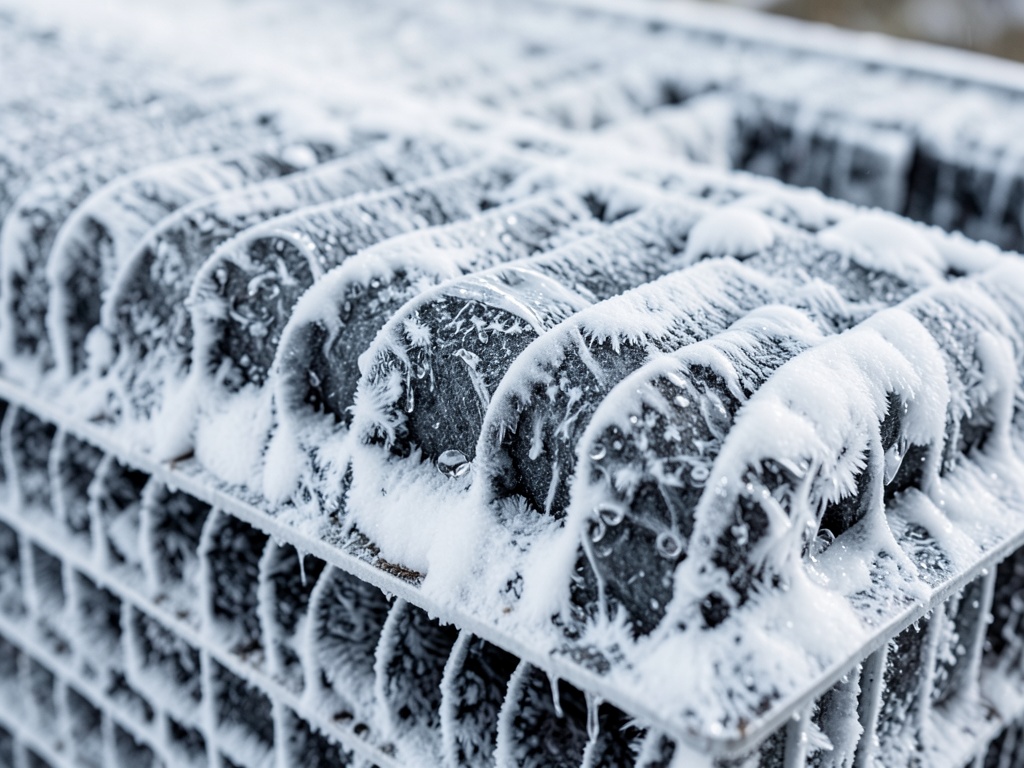
Ice on the Evaporator Coil
Low refrigerant causes the evaporator coil to get too cold. Moisture in the air freezes on the coil, creating a layer of ice. You might notice ice buildup on the copper lines leading to the coil or on the coil itself behind the access panel.
Longer Cooling Cycles
Your AC runs longer than normal trying to reach the set temperature. What used to be 15-minute cycles might stretch to 30 minutes or more. The system works harder but produces less cooling. Heating and Cooling Historic Germantown Homes Without Bulky Ductwork.
Higher Electric Bills
When your AC runs longer cycles, it uses more electricity. You might see your power bill jump 20-30% without changing your usage habits. This happens because the system runs inefficiently with low refrigerant.
The Ice Paradox: Why Your AC Freezes in Nashville Humidity
Nashville’s humid summers create a perfect storm for AC freezing. Here’s what happens inside your system when refrigerant drops: Storm Damage HVAC Repair.
The refrigerant absorbs heat as it evaporates in the indoor coil. With less refrigerant, the remaining chemical expands more than normal. This expansion drops the temperature below freezing.
In Middle Tennessee’s 70-80% summer humidity, there’s plenty of moisture in the air. When that moist air hits the super-cold coil, water vapor condenses and freezes instantly. The ice builds up layer by layer until it blocks airflow completely.
Once airflow stops, the system can’t absorb any heat. The compressor keeps running, trying to cool your home, but it’s fighting a losing battle. This is why a frozen AC often feels like it’s barely working or not working at all.
Health and Safety Risks of Refrigerant Exposure
Refrigerant chemicals pose health risks if they leak into your home. The most common refrigerant, R-410A, is generally safe in small amounts. However, older systems using R-22 (Freon) can be more dangerous. The Best High Efficiency HVAC Systems for Luxury Homes in Brentwood.
Exposure symptoms include dizziness, headaches, and nausea. In severe cases, refrigerant can cause irregular heartbeat or unconsciousness. Pets are especially vulnerable because they’re closer to the floor where heavier-than-air refrigerant settles.
Beyond health concerns, refrigerant leaks harm the environment. R-22 depletes the ozone layer. Even newer refrigerants contribute to global warming if released. The EPA requires proper recovery and recycling of all refrigerants under Section 608 of the Clean Air Act.
R-22 vs. R-410A: Why the Type of Refrigerant Matters for Repair Costs
The type of refrigerant in your system dramatically affects repair costs. Here’s the difference:
| Refrigerant Type | Age of System | Current Cost per Pound | Phase-Out Status |
|---|---|---|---|
| R-22 (Freon) | Pre-2010 | $100-150 | Phased out 2020 |
| R-410A (Puron) | 2010-2025 | $50-80 | Being phased out |
| R-454B | 2023+ | $60-90 | Current standard |
Older Nashville homes often have R-22 systems. These units are expensive to repair because R-22 is no longer manufactured. When a leak occurs, you’re paying premium prices for reclaimed refrigerant that’s in short supply.
Systems using R-410A cost less to recharge. However, both types require finding and fixing the leak before adding refrigerant. Simply topping off a leaking system wastes money and harms the environment.
Next Steps: Professional Leak Detection vs. DIY ‘Top-Offs’
Many homeowners try to save money by adding refrigerant themselves. This approach creates bigger problems:
Why DIY Refrigerant Addition Fails
Without proper equipment, you can’t measure the correct refrigerant charge. Too much refrigerant is as bad as too little. Overcharging can damage the compressor and void your warranty.
Most importantly, adding refrigerant without fixing the leak is like putting air in a tire with a nail in it. The leak will continue, and you’ll keep wasting money on refrigerant that escapes into the atmosphere.
Professional Leak Detection Methods
Professional HVAC technicians use specialized tools to find leaks. The most common methods include:
- Electronic Leak Detector
Electronic sensors can detect refrigerant concentrations as low as 1 part per million. Technicians scan the entire system, including hard-to-see areas like the evaporator coil inside your air handler.
- UV Dye Test
Technicians inject fluorescent dye into the system and run it for several days. The dye circulates with the refrigerant and glows under UV light at leak points. This method finds small leaks that electronic detectors might miss.
- Soap Bubble Test
For visible connections and joints, technicians apply soap solution. Bubbles form at leak points, making them easy to spot. This simple test works well for large leaks in accessible areas.
Once the leak is found, the technician can give you repair options. Small leaks in accessible locations cost less to fix than large leaks in hard-to-reach areas like the evaporator coil inside your attic air handler.
Repair Costs in the Nashville Area
Repair costs vary based on leak location, system age, and refrigerant type. Here’s what Nashville homeowners typically pay:
| Repair Type | Typical Cost Range | Time to Complete |
|---|---|---|
| Leak Seal (accessible) | $300-800 | 2-4 hours |
| Evaporator Coil Replacement | $1,200-2,500 | 4-8 hours |
| Condenser Coil Replacement | $1,500-3,000 | 6-10 hours |
| Line Set Replacement | $800-1,500 | 3-6 hours |
| Full System Replacement | $4,000-8,000 | 1-2 days |
These prices include leak repair and proper refrigerant charging. They don’t include the cost of refrigerant itself, which varies by type and system size.
Most residential AC systems hold 5-15 pounds of refrigerant. At current prices, that’s $250-1,200 just for the refrigerant, depending on your system type.
When to Repair vs. Replace Your AC
Deciding between repair and replacement depends on several factors:
- System Age: If your AC is over 10 years old, replacement often makes more sense than expensive repairs.
- Repair History: Multiple repairs in the past two years suggest your system is failing.
- Energy Efficiency: New systems use 30-50% less electricity than units from 10+ years ago.
- Refrigerant Type: R-22 systems are becoming prohibitively expensive to maintain.
For Nashville homeowners, the TVA’s energy efficiency rebates can offset 10-20% of replacement costs. These rebates apply to high-efficiency units that meet specific SEER (Seasonal Energy Efficiency Ratio) ratings. TVA energy efficiency rebates.
Emergency Response Steps After Discovering a Leak
If you suspect a refrigerant leak, take these immediate steps:
- Turn off your AC at the thermostat to prevent compressor damage.
- Open windows for ventilation if you smell chemicals or feel dizzy.
- Keep pets and children away from the indoor unit.
- Call a licensed HVAC technician immediately.
- Document symptoms and when they started for the technician.
Don’t run your AC if you see ice buildup or hear hissing sounds. Continuing to operate a leaking system can burn out the compressor, turning a $500 repair into a $3,000 replacement.
Preventing Future Refrigerant Leaks
Regular maintenance prevents most refrigerant leaks. Professional tune-ups include:
- Checking refrigerant levels and pressure
- Inspecting all connections and joints
- Cleaning coils to prevent corrosion
- Testing electrical components
- Verifying proper airflow
Middle Tennessee’s humid climate accelerates coil corrosion. Annual maintenance catches small problems before they become expensive leaks. Many Nashville HVAC companies offer maintenance plans that include priority service and discounted repairs.
Local Building Codes and EPA Requirements
Tennessee follows the International Mechanical Code with local amendments. Davidson County requires permits for refrigerant work and mandates that only EPA Section 608 certified technicians handle refrigerants.
The EPA’s Section 608 certification has four levels. Most residential AC work requires Universal certification, proving technicians can handle all refrigerant types safely. Uncertified refrigerant handling carries fines up to $37,500 per day per violation.
Nashville also follows ASHRAE standards for indoor air quality. These standards limit refrigerant concentrations in occupied spaces and require proper ventilation during repairs.
Why Choose a Local Nashville HVAC Expert
Local technicians understand Middle Tennessee’s unique challenges. Our humid summers, frequent storms, and clay soil create conditions that affect AC performance differently than in other regions.
Local companies respond faster to emergencies. When your AC fails on a 95°F day, waiting days for an out-of-town company isn’t acceptable. Local technicians stock common parts and can often complete repairs the same day.
Local expertise also means understanding TVA’s energy efficiency programs and local building permit requirements. This knowledge saves you time and money on both repairs and replacements.
Call for Professional AC Service Today
Don’t let a refrigerant leak ruin your summer comfort. If you’re experiencing warm air, ice buildup, or unusual noises from your AC, call the professionals at (615) 552-1922. Our NATE-certified technicians will diagnose your system, find any leaks, and provide upfront pricing for repairs.
We serve Nashville and surrounding areas including Mount Juliet, Smyrna, and Murfreesboro. Our trucks are stocked with common parts, and we offer same-day service for emergency calls. Don’t wait until your compressor burns out – call (615) 552-1922 now to schedule your inspection.
Remember, running a leaking AC system wastes energy, harms the environment, and risks expensive compressor damage. Pick up the phone and call (615) 552-1922 before the next heat wave hits.
Frequently Asked Questions
How long does it take to repair a refrigerant leak?
Most refrigerant leak repairs take 2-6 hours, depending on the leak location and severity. Simple leaks in accessible connections can be fixed in under two hours. Complex leaks requiring coil replacement may take a full day. Getting Your AC Fixed Fast in East Nashville When the Summer Heat Hits.
Can I just add more refrigerant to my AC?
No, simply adding refrigerant without fixing the leak is illegal and ineffective. The EPA requires repairing leaks before recharging systems. Adding refrigerant to a leaking system wastes money and harms the environment.
How much does it cost to refill AC refrigerant?
Refrigerant costs $50-150 per pound, depending on the type. Most residential systems need 5-15 pounds. However, you must pay for leak repair first, then the refrigerant charge. Total costs typically range from $300-2,500.
Is a refrigerant leak dangerous?
Refrigerant leaks can cause health issues like dizziness, headaches, and nausea. In severe cases, they may cause irregular heartbeat. Pets and children are more vulnerable. Always ventilate the area and call professionals if you suspect a leak.
How can I prevent refrigerant leaks?
Annual professional maintenance prevents most leaks. Technicians check connections, clean coils to prevent corrosion, and test refrigerant levels. In Nashville’s humid climate, twice-yearly maintenance often makes sense to catch problems early.
{
“@context”: “https://schema.org”,
“@type”: “BlogPosting”,
“headline”: “How to Tell if Your AC Is Leaking Refrigerant and What the Repair Will Cost”,
“description”: “Learn the warning signs of AC refrigerant leaks in Nashville homes. Discover diagnostic steps, repair costs, and when to call (615) 552-1922 for fast service.”,
“wordCount”: 1924,
“datePublished”: “2026-03-20T15:17:00.000Z”,
“dateModified”: “2026-03-20T15:17:00.000Z”,
“inLanguage”: “en-US”,
“mainEntityOfPage”: {
“@type”: “WebPage”,
“@id”: “https://alphahvacnashville.com”
},
“publisher”: {
“@type”: “LocalBusiness”,
“name”: “Alpha HVAC Nashville”,
“url”: “https://alphahvacnashville.com”
},
“author”: {
“@type”: “Organization”,
“name”: “Alpha HVAC Nashville”,
“url”: “https://alphahvacnashville.com”
},
“image”: {
“@type”: “ImageObject”,
“url”: “https://alphahvacnashville.com/wp-content/uploads/2026/03/how-to-tell-if-your-ac-is-leaking-refrigerant-and-1.png”
}
}
{
“@context”: “https://schema.org”,
“@type”: “HVACBusiness”,
“name”: “Alpha HVAC Nashville”,
“url”: “https://alphahvacnashville.com”,
“address”: {
“@type”: “PostalAddress”,
“addressLocality”: “Nashville”
},
“areaServed”: {
“@type”: “City”,
“name”: “Nashville”
}
}
{
“@context”: “https://schema.org”,
“@type”: “FAQPage”,
“mainEntity”: [
{
“@type”: “Question”,
“name”: “How long does it take to repair a refrigerant leak?”,
“acceptedAnswer”: {
“@type”: “Answer”,
“text”: “Most refrigerant leak repairs take 2-6 hours, depending on the leak location and severity. Simple leaks in accessible connections can be fixed in under two hours. Complex leaks requiring coil replacement may take a full day. Getting Your AC Fixed Fast in East Nashville When the Summer Heat Hits.”
}
},
{
“@type”: “Question”,
“name”: “Can I just add more refrigerant to my AC?”,
“acceptedAnswer”: {
“@type”: “Answer”,
“text”: “No, simply adding refrigerant without fixing the leak is illegal and ineffective. The EPA requires repairing leaks before recharging systems. Adding refrigerant to a leaking system wastes money and harms the environment.”
}
},
{
“@type”: “Question”,
“name”: “How much does it cost to refill AC refrigerant?”,
“acceptedAnswer”: {
“@type”: “Answer”,
“text”: “Refrigerant costs $50-150 per pound, depending on the type. Most residential systems need 5-15 pounds. However, you must pay for leak repair first, then the refrigerant charge. Total costs typically range from $300-2,500.”
}
},
{
“@type”: “Question”,
“name”: “Is a refrigerant leak dangerous?”,
“acceptedAnswer”: {
“@type”: “Answer”,
“text”: “Refrigerant leaks can cause health issues like dizziness, headaches, and nausea. In severe cases, they may cause irregular heartbeat. Pets and children are more vulnerable. Always ventilate the area and call professionals if you suspect a leak.”
}
},
{
“@type”: “Question”,
“name”: “How can I prevent refrigerant leaks?”,
“acceptedAnswer”: {
“@type”: “Answer”,
“text”: “Annual professional maintenance prevents most leaks. Technicians check connections, clean coils to prevent corrosion, and test refrigerant levels. In Nashville’s humid climate, twice-yearly maintenance often makes sense to catch problems early.”
}
}
]
}
{
“@context”: “https://schema.org”,
“@type”: “HowTo”,
“name”: “Professional Leak Detection Process”,
“step”: [
{
“@type”: “HowToStep”,
“position”: 1,
“name”: “Electronic Leak Detector”,
“text”: “Electronic sensors can detect refrigerant concentrations as low as 1 part per million. Technicians scan the entire system, including hard-to-see areas like the evaporator coil inside your air handler.”
},
{
“@type”: “HowToStep”,
“position”: 2,
“name”: “UV Dye Test”,
“text”: “Technicians inject fluorescent dye into the system and run it for several days. The dye circulates with the refrigerant and glows under UV light at leak points. This method finds small leaks that electronic detectors might miss.”
},
{
“@type”: “HowToStep”,
“position”: 3,
“name”: “Soap Bubble Test”,
“text”: “For visible connections and joints, technicians apply soap solution. Bubbles form at leak points, making them easy to spot. This simple test works well for large leaks in accessible areas.”
}
],
“image”: “https://alphahvacnashville.com/wp-content/uploads/2026/03/how-to-tell-if-your-ac-is-leaking-refrigerant-and-1.png”
}
{
“@context”: “https://schema.org”,
“@type”: “BreadcrumbList”,
“itemListElement”: [
{
“@type”: “ListItem”,
“position”: 1,
“name”: “Home”,
“item”: “https://alphahvacnashville.com”
},
{
“@type”: “ListItem”,
“position”: 2,
“name”: “Blog”,
“item”: “https://alphahvacnashville.com/blog”
},
{
“@type”: “ListItem”,
“position”: 3,
“name”: “How to Tell if Your AC Is Leaking Refrigerant and What the Repair Will Cost”
}
]
}
{
“@context”: “https://schema.org”,
“@type”: “Service”,
“serviceType”: “HVAC”,
“provider”: {
“@type”: “LocalBusiness”,
“name”: “Alpha HVAC Nashville”,
“url”: “https://alphahvacnashville.com”
},
“areaServed”: {
“@type”: “City”,
“name”: “Nashville”
},
“description”: “Learn the warning signs of AC refrigerant leaks in Nashville homes. Discover diagnostic steps, repair costs, and when to call (615) 552-1922 for fast service.”
}