
Woodbine homeowners know the struggle of Nashville summers all too well. Window units rattle in the sills, struggle to cool every room, and drive up electric bills faster than you can say ‘humidity.’ If you’re tired of the noise, the inefficiency, and the uneven cooling, upgrading to central air could be your best move. But in a neighborhood full of older bungalows, the process isn’t as simple as swapping out a box for a condenser. You need a plan that works with your home’s bones, not against them. The Best High Efficiency HVAC Systems for Luxury Homes in Brentwood.
Why Nashville Homeowners Are Ditching Window Units
Window air conditioners have been the go-to for decades in older Nashville neighborhoods, but they come with major downsides. They only cool the room they’re in, leaving the rest of your home uncomfortable. They’re loud, block natural light, and create security risks. Most importantly, they can’t handle Nashville’s high humidity, which means your home feels muggy even when the temperature reads cool. Nashville AC Repair Companies That Actually Answer the Phone on Weekends.
Central air systems, on the other hand, deliver consistent cooling throughout your home, improve indoor air quality, and can cut energy costs by up to 30% when properly sized and installed. With Nashville’s humid subtropical climate, having a system that can both cool and dehumidify is critical for comfort and health. Heating and Cooling Historic Germantown Homes Without Bulky Ductwork.
Local building trends back this up. In Woodbine and nearby areas like Berry Hill and South Nashville, more homeowners are investing in whole-home cooling as property values rise and energy efficiency becomes a selling point. Upgrading now could also increase your home’s resale value by 10-15%, a strong return in Nashville’s competitive market. Whole Home Humidifiers.
Assessment: Can Your Woodbine Bungalow Support Central Air?
Before you can enjoy central air, your home needs to pass a few tests. First, there’s the space question. Central air requires room for ductwork, either in the attic, crawl space, or inside walls. Many Woodbine bungalows were built without these pathways, which means retrofitting is often necessary.. Read more about Hidden HVAC problems to look for before buying an older home in West Meade.
Next, check your electrical panel. Older homes often have 60- or 100-amp service, but a central air system typically needs a dedicated 240-volt circuit. If your panel is maxed out, you may need an upgrade before installation can begin.
Finally, consider your home’s structure. Wood frame construction with plaster walls can make duct installation tricky. In some cases, a high-velocity or ductless mini-split system may be a better fit than traditional ductwork. A professional load calculation (Manual J) will tell you exactly what your home needs.
The Three Main Paths: Central Air, Heat Pumps, and Ductless Mini-Splits
Choosing the right system depends on your home’s layout, your budget, and your long-term goals. Here’s how the options compare:
| System Type | Installation Time | Best For | Efficiency |
|---|---|---|---|
| Central Air | 2-5 days | Whole-home cooling | SEER2 14-21 |
| Heat Pump | 2-4 days | Cooling + heating | HSPF2 8.2+ |
| Ductless Mini-Split | 1-2 days | Room-by-room control | SEER2 18-30 |
Central air is ideal if you want whole-home comfort and already have ductwork or space to add it. Heat pumps are a smart choice if you also want efficient heating in winter. Ductless mini-splits work well in homes where running ducts isn’t feasible, offering zoned cooling without major construction.
The Investment: Costs vs. Long-term Savings
Upgrading from window units to central air is a significant investment, but the numbers make sense over time. In Nashville, a full central air installation for a 1,500-square-foot bungalow typically ranges from $5,000 to $10,000, depending on the complexity of the job. This includes the outdoor condenser, indoor air handler, and any necessary ductwork.
Window units, by comparison, cost $150 to $500 each and need to be replaced every 5-7 years. If you’re running multiple units, your summer electric bills can easily hit $200-$400 per month. A high-efficiency central system can reduce that by 30% or more, paying for itself in 4-7 years.
Don’t forget the added value to your home. Buyers in Nashville’s hot market are willing to pay more for homes with central air, especially in older neighborhoods where it’s still rare. And with TVA’s EnergyRight program offering rebates for high-efficiency systems, the upfront cost can be offset further. TVA EnergyRight rebates.
The Installation Process: What to Expect
Once you’ve chosen your system, the installation process begins with a load calculation. This Manual J assessment measures your home’s square footage, insulation, window types, and orientation to determine the right size unit. Oversizing or undersizing can lead to inefficiency and discomfort.
Next comes the equipment selection. Your contractor will help you choose a SEER2-rated system that meets Nashville’s climate needs. For most homes, a 16 SEER2 unit strikes the best balance between cost and efficiency.
Installation typically follows these steps:
- Site Preparation
Technicians protect floors, seal off work areas, and set up equipment.
- Ductwork Installation
If needed, new ducts are routed through attic or walls, sealed, and insulated.
- Unit Placement
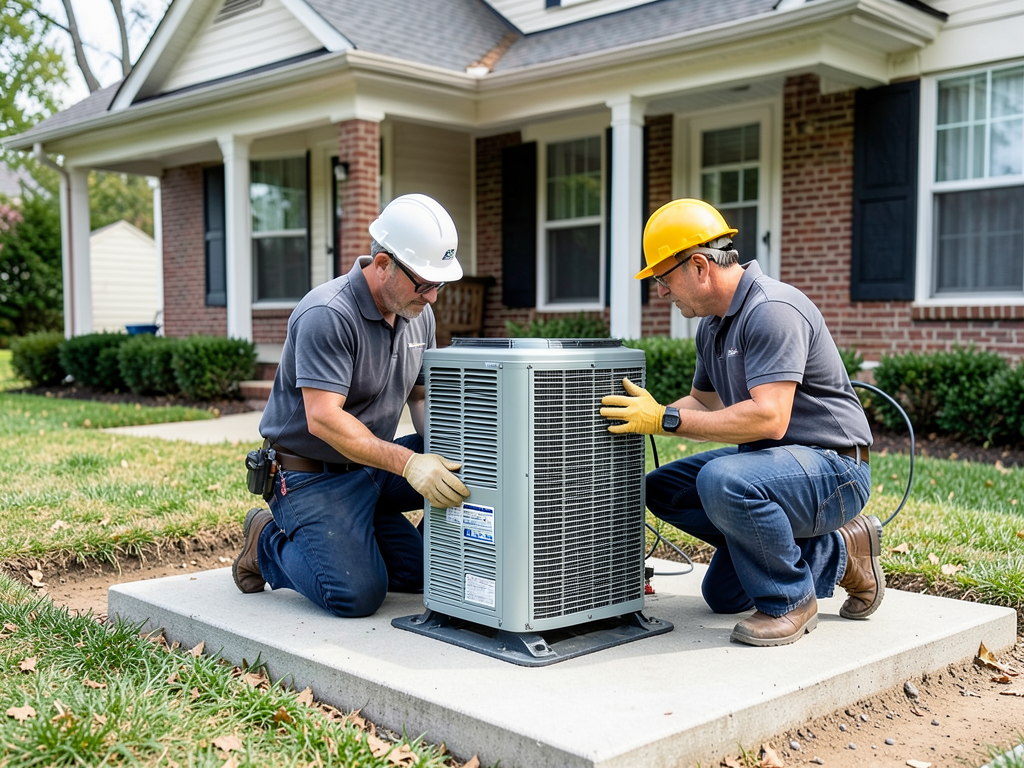
The outdoor condenser is placed on a concrete pad with proper clearance from the home.
- Electrical Work
A dedicated circuit is run from the panel to the unit, with all connections meeting NEC code.
- System Testing
The system is charged with refrigerant, tested for leaks, and calibrated for optimal performance.
The entire process usually takes 2-5 days, depending on the complexity. After installation, your contractor should walk you through the thermostat settings, filter changes, and maintenance schedule.
Local Rebates and Financing
Nashville homeowners have access to several programs that make upgrading more affordable. TVA’s EnergyRight initiative offers rebates for high-efficiency HVAC systems, often covering $200 to $400 of the installation cost. To qualify, your system must meet minimum SEER2 and HSPF2 ratings.
Davidson County also offers financing through the Home Energy Loan Program (HELP), which provides low-interest loans for energy upgrades. These can be paid back through your property tax bill, making the investment more manageable. Davidson County permit requirements.
Some utility providers, like Nashville Electric Service (NES), offer seasonal rebates or discounts for off-peak installation times. Always ask your contractor about current promotions before scheduling the work.
Maintaining Your New Central Air System
Once your system is installed, keeping it running efficiently is all about maintenance. Change your air filter every 1-3 months, more often if you have pets or allergies. Schedule a professional tune-up once a year to check refrigerant levels, clean coils, and inspect electrical connections.
In Nashville’s humid climate, consider adding a whole-home dehumidifier or UV light system to improve indoor air quality and prevent mold growth. These upgrades can extend the life of your system and keep your home healthier year-round.
Finally, keep an eye on your energy bills. A sudden spike could indicate a refrigerant leak or dirty coils. Catching these issues early can prevent costly repairs down the road.
Frequently Asked Questions
How long does it take to install central air in an older home?
Most installations take 2-5 days, depending on whether new ductwork is needed and the complexity of the electrical work.
Can I keep my window units after installing central air?
You can, but it’s usually unnecessary. Central air provides whole-home cooling, making window units redundant. Removing them also improves your home’s appearance and security.
What size central air system do I need?
The right size depends on your home’s square footage, insulation, and layout. A Manual J load calculation will give you the exact BTU requirement.
Are there any permits required in Davidson County?
Yes, HVAC installations require a permit from Metro Nashville Codes Administration. Your contractor should handle this as part of the job.
Will central air increase my home’s value?
Yes. Homes with central air typically sell for 10-15% more in Nashville, especially in older neighborhoods where it’s still uncommon.
Ready to ditch the window units and enjoy true whole-home comfort? Call (615) 552-1922 today to schedule your free in-home consultation. Our Nashville-based team will assess your bungalow, explain your options, and give you a clear, upfront estimate. Don’t wait for the next heat wave—upgrade now and start saving.
You may also find this helpful. How the Inflation Reduction Act helps you save thousands on a new HVAC in Nolensville.
{
“@context”: “https://schema.org”,
“@type”: “BlogPosting”,
“headline”: “Upgrading From Window Units to Central Air in Older Woodbine Bungalows”,
“description”: “Thinking of upgrading from window units to central air in your Woodbine bungalow? Discover costs, benefits, and local Nashville-specific tips from HVAC experts.”,
“wordCount”: 1344,
“datePublished”: “2026-03-19T09:14:00.000Z”,
“dateModified”: “2026-03-19T09:14:00.000Z”,
“inLanguage”: “en-US”,
“mainEntityOfPage”: {
“@type”: “WebPage”,
“@id”: “https://alphahvacnashville.com”
},
“publisher”: {
“@type”: “LocalBusiness”,
“name”: “Alpha HVAC Nashville”,
“url”: “https://alphahvacnashville.com”
},
“author”: {
“@type”: “Organization”,
“name”: “Alpha HVAC Nashville”,
“url”: “https://alphahvacnashville.com”
},
“image”: {
“@type”: “ImageObject”,
“url”: “https://alphahvacnashville.com/wp-content/uploads/2026/03/upgrading-from-window-units-to-central-air-in-olde-1.png”
}
}
{
“@context”: “https://schema.org”,
“@type”: “HVACBusiness”,
“name”: “Alpha HVAC Nashville”,
“url”: “https://alphahvacnashville.com”,
“address”: {
“@type”: “PostalAddress”,
“addressLocality”: “Nashville”
},
“areaServed”: {
“@type”: “City”,
“name”: “Nashville”
}
}
{
“@context”: “https://schema.org”,
“@type”: “FAQPage”,
“mainEntity”: [
{
“@type”: “Question”,
“name”: “Assessment: Can Your Woodbine Bungalow Support Central Air?”,
“acceptedAnswer”: {
“@type”: “Answer”,
“text”: “Before you can enjoy central air, your home needs to pass a few tests. First, there’s the space question. Central air requires room for ductwork, either in the attic, crawl space, or inside walls. Many Woodbine bungalows were built without these pathways, which means retrofitting is often necessary.”
}
},
{
“@type”: “Question”,
“name”: “How long does it take to install central air in an older home?”,
“acceptedAnswer”: {
“@type”: “Answer”,
“text”: “Most installations take 2-5 days, depending on whether new ductwork is needed and the complexity of the electrical work.”
}
},
{
“@type”: “Question”,
“name”: “Can I keep my window units after installing central air?”,
“acceptedAnswer”: {
“@type”: “Answer”,
“text”: “You can, but it’s usually unnecessary. Central air provides whole-home cooling, making window units redundant. Removing them also improves your home’s appearance and security.”
}
},
{
“@type”: “Question”,
“name”: “What size central air system do I need?”,
“acceptedAnswer”: {
“@type”: “Answer”,
“text”: “The right size depends on your home’s square footage, insulation, and layout. A Manual J load calculation will give you the exact BTU requirement.”
}
},
{
“@type”: “Question”,
“name”: “Are there any permits required in Davidson County?”,
“acceptedAnswer”: {
“@type”: “Answer”,
“text”: “Yes, HVAC installations require a permit from Metro Nashville Codes Administration. Your contractor should handle this as part of the job.”
}
},
{
“@type”: “Question”,
“name”: “Will central air increase my home’s value?”,
“acceptedAnswer”: {
“@type”: “Answer”,
“text”: “Yes. Homes with central air typically sell for 10-15% more in Nashville, especially in older neighborhoods where it’s still uncommon.”
}
}
]
}
{
“@context”: “https://schema.org”,
“@type”: “HowTo”,
“name”: “Central Air Installation Process”,
“step”: [
{
“@type”: “HowToStep”,
“position”: 1,
“name”: “Site Preparation”,
“text”: “Technicians protect floors, seal off work areas, and set up equipment.”
},
{
“@type”: “HowToStep”,
“position”: 2,
“name”: “Ductwork Installation”,
“text”: “If needed, new ducts are routed through attic or walls, sealed, and insulated.”
},
{
“@type”: “HowToStep”,
“position”: 3,
“name”: “Unit Placement”,
“text”: “The outdoor condenser is placed on a concrete pad with proper clearance from the home.”
},
{
“@type”: “HowToStep”,
“position”: 4,
“name”: “Electrical Work”,
“text”: “A dedicated circuit is run from the panel to the unit, with all connections meeting NEC code.”
},
{
“@type”: “HowToStep”,
“position”: 5,
“name”: “System Testing”,
“text”: “The system is charged with refrigerant, tested for leaks, and calibrated for optimal performance.”
}
],
“image”: “https://alphahvacnashville.com/wp-content/uploads/2026/03/upgrading-from-window-units-to-central-air-in-olde-1.png”
}
{
“@context”: “https://schema.org”,
“@type”: “BreadcrumbList”,
“itemListElement”: [
{
“@type”: “ListItem”,
“position”: 1,
“name”: “Home”,
“item”: “https://alphahvacnashville.com”
},
{
“@type”: “ListItem”,
“position”: 2,
“name”: “Blog”,
“item”: “https://alphahvacnashville.com/blog”
},
{
“@type”: “ListItem”,
“position”: 3,
“name”: “Upgrading From Window Units to Central Air in Older Woodbine Bungalows”
}
]
}
{
“@context”: “https://schema.org”,
“@type”: “Service”,
“serviceType”: “HVAC”,
“provider”: {
“@type”: “LocalBusiness”,
“name”: “Alpha HVAC Nashville”,
“url”: “https://alphahvacnashville.com”
},
“areaServed”: {
“@type”: “City”,
“name”: “Nashville”
},
“description”: “Thinking of upgrading from window units to central air in your Woodbine bungalow? Discover costs, benefits, and local Nashville-specific tips from HVAC experts.”
}