
Why Putting Your Thermostat in the Wrong Spot Is Costing You Money Every Month
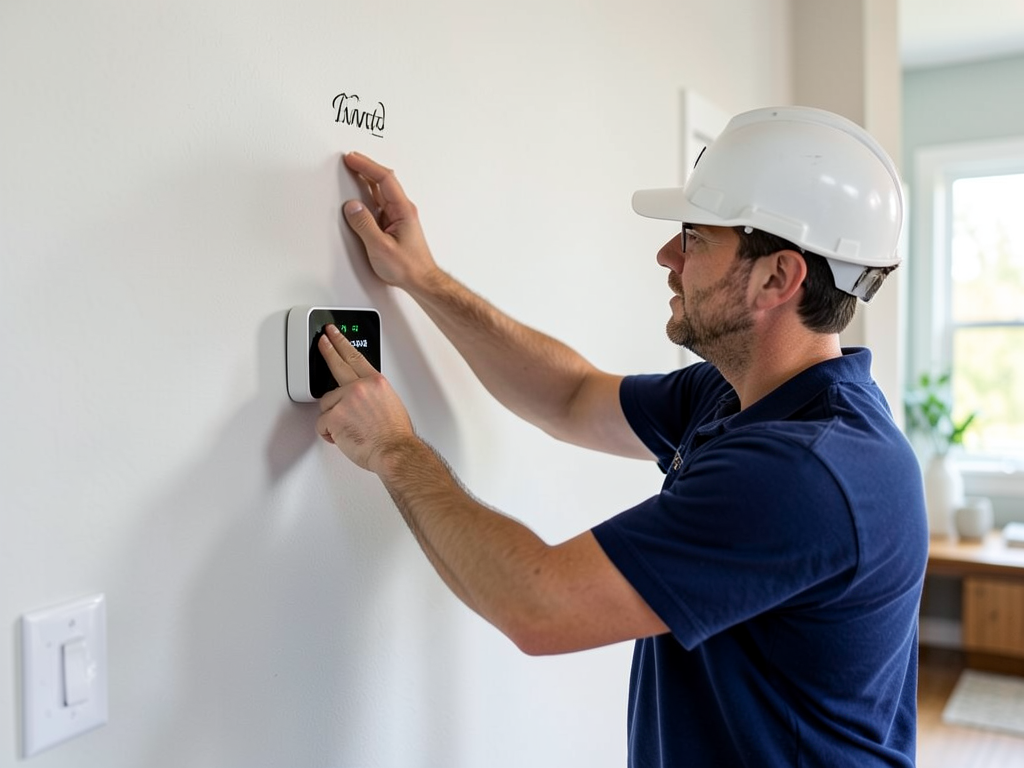
Your thermostat controls your HVAC system but only if it can accurately read your home’s temperature. A poorly placed thermostat creates what HVAC technicians call “ghost readings”—false temperature signals that make your system run longer than necessary. In Nashville’s humid climate, this common mistake can add 10% or more to your monthly cooling bills. Heating and Cooling Historic Germantown Homes Without Bulky Ductwork.
Most Nashville homeowners never think about where their thermostat sits. They accept whatever location the builder chose or wherever the previous owner mounted it. But that small white box on your wall might be the reason your AC runs constantly during July heat waves or why certain rooms feel freezing while others stay stuffy. Nashville AC Repair Companies That Actually Answer the Phone on Weekends.
The science is simple. Your thermostat measures ambient air temperature and tells your HVAC system when to turn on and off. If it sits near a heat source, in direct sunlight, or in a poorly circulated area, it gets the wrong reading. Your system then works harder than necessary, wasting energy and wearing out components faster.. Read more about Solving Temperature Swings in Nashville Tall Skinnies and Modern Narrow Homes.
This guide shows you exactly where to place your thermostat for maximum efficiency in Nashville homes. We’ll cover the ideal height, the perfect wall location, and the danger zones that cost you money every month. The Best High Efficiency HVAC Systems for Luxury Homes in Brentwood.
The Science Behind Thermostat Placement
Temperature sensors need stable, representative air to work correctly. When your thermostat sits in a hot or cold pocket, it triggers your HVAC system based on that isolated reading instead of your home’s actual average temperature.
Consider what happens when a thermostat sits above a kitchen cabinet near the stove. During dinner prep, it reads 78 degrees instead of the actual 72-degree living room temperature. Your AC runs for an extra hour trying to cool that false reading, while the rest of your house becomes uncomfortably cold.. Read more about What to Expect During a Home Energy Audit to Lower Your Cooling Bills in Lebanon.
Similarly, a thermostat in a drafty hallway near an exterior door reads colder air whenever someone enters or leaves. Your heater kicks on unnecessarily, heating empty spaces while occupied rooms stay comfortable.
The goal is finding a spot where air circulates normally and temperature stays consistent with the rest of your home. This usually means interior walls away from heat sources, direct sunlight, and exterior doors.
Ideal Thermostat Height and Wall Location
The National Electrical Code doesn’t specify exact thermostat heights, but HVAC best practices recommend mounting between 52 and 60 inches from the floor. This height captures air at breathing level where people actually feel comfortable.
Interior walls work better than exterior walls because they maintain more stable temperatures. An exterior wall can be 10 degrees different from an interior wall during extreme weather, giving your thermostat a false reading.. Read more about How Better Attic Insulation Helps Your HVAC System Last Longer in the Tennessee Heat.
Choose walls that see normal household activity. Living rooms, family rooms, or central hallways where people spend time provide the most accurate temperature representation. Avoid rarely used rooms where air can become stagnant.
The wall should be clear of obstructions. Furniture, curtains, or shelving can block air circulation around the thermostat, creating temperature pockets that affect readings.
Where NOT to Place Your Thermostat
Certain locations guarantee inaccurate readings and wasted energy. These danger zones include:
- Above or near kitchen appliances – Stoves, ovens, and refrigerators create heat spikes that trick your thermostat into thinking your whole house is warmer than it is
- Near windows or exterior doors – Direct sunlight and drafts cause temperature swings unrelated to your home’s actual comfort level
- In bathrooms – Steam and humidity from showers create false high readings
- Close to supply vents – Cold air blowing directly on the thermostat makes your heater run longer than necessary
- In hallways or corners – These areas often have poor air circulation and don’t represent your home’s true temperature
- Near electronics or lamps – TVs, computers, and lighting generate heat that affects readings
- Above air intakes or returns – These spots read air that’s different from the rest of your home
Many Nashville homes have thermostats in these exact wrong spots. Builders often mount them near the front door for easy access, not realizing this location guarantees drafts and temperature inaccuracies.. Read more about Protecting your Nashville short term rental from guests who crank the AC to sixty degrees.
Smart Thermostat Considerations for Nashville Homes
Modern smart thermostats like Nest, Ecobee, and Honeywell offer remote sensors that can solve placement problems. These battery-powered units communicate with your main thermostat via Wi-Fi, allowing you to measure temperature in different rooms.
For multi-story Nashville homes common in areas like Green Hills and Brentwood, remote sensors become essential. Heat rises, so your upstairs often needs cooling when your downstairs feels comfortable. Without sensors on each floor, your single thermostat can’t manage this temperature difference effectively. Why Your Green Hills Home Needs a Heating Tune Up Before the First Freeze.
Wi-Fi signal strength matters for smart thermostat performance. Nashville’s older homes with plaster walls or brick exteriors can block signals. Test your signal before mounting a smart thermostat or placing remote sensors in distant rooms.
Some smart models learn your schedule and adjust automatically. They can account for Nashville’s rapid temperature changes during spring and fall when mornings might be 45 degrees and afternoons hit 75. This learning capability helps compensate for less-than-ideal placement.
Nashville Climate Factors That Affect Thermostat Performance
Middle Tennessee’s humid subtropical climate creates unique challenges for thermostat accuracy. Our summers bring 90% humidity levels that make 80 degrees feel like 85. Your thermostat measures temperature but not humidity, so it can’t account for this discomfort factor. Tennessee climate impact report.
During Nashville’s heavy spring storms, barometric pressure changes can affect how your home holds temperature. A thermostat in a poorly insulated exterior wall might read these changes as temperature swings, causing unnecessary HVAC cycling.
Our significant diurnal temperature swings mean your home heats up quickly on sunny winter days. A thermostat near a south-facing window might read this solar gain and shut off your heat prematurely, leaving other rooms cold.
The Cumberland River floodplain affects many Nashville neighborhoods. Homes in these areas experience different air patterns due to nearby water. A thermostat near a river-facing window might read cooler air from the water, affecting your heating cycles.
Multi-Story Home Solutions
Many Nashville suburbs feature two-story homes where a single thermostat cannot effectively manage temperature throughout the house. Heat naturally rises, creating a 5-10 degree difference between floors.
Zoning systems offer the best solution. These setups use multiple thermostats controlling different areas of your home. Each zone has its own temperature sensor and damper controls, allowing precise comfort management.. Read more about Adding Zoning to Your Berry Hill Home to Finally Stop Fighting Over the Thermostat.
For homes without zoning, smart thermostats with remote sensors provide a cost-effective alternative. Place sensors on each floor to give your system a complete temperature picture. This prevents your upstairs from becoming a sauna while your downstairs feels like a freezer.
Consider your family’s usage patterns. If bedrooms are upstairs but you spend most evenings downstairs, your thermostat location should prioritize the area where you spend the most time.
Professional Installation vs. DIY
Moving a thermostat involves more than just unscrewing it from the wall. You’re dealing with low-voltage wiring that, while safer than standard household current, still requires proper handling.
Professional HVAC technicians understand how to run new thermostat wire through walls without creating fire hazards or code violations. They know how to seal wall penetrations to prevent air leaks that could affect readings.
DIY relocation risks include:
- Creating air gaps that let conditioned air escape
- Damaging existing wiring during removal
- Mounting in a spot that violates local building codes
- Creating new problems while solving the original issue
The cost of professional relocation typically ranges from $150 to $400 in Nashville, depending on wiring complexity and wall construction. This investment often pays for itself within a year through improved energy efficiency.
Thermostat Maintenance and Calibration
Even properly placed thermostats need occasional maintenance. Dust accumulation on sensors can affect accuracy. Battery corrosion in older models can cause erratic behavior. Smart thermostats occasionally need software updates to maintain optimal performance.
Test your thermostat accuracy with a separate thermometer placed nearby. If readings differ by more than 2 degrees, your thermostat may need calibration or replacement.
Check thermostat placement seasonally. What worked in winter might create problems in summer when sun angles change or when you start using different rooms.
Energy Savings Through Proper Placement
The U.S. Department of Energy estimates that proper thermostat management can save 10% annually on heating and cooling costs. Correct placement is the foundation of this savings. U.S. Department of Energy thermostat guide.
Consider these real-world scenarios in Nashville homes:
| Problem Location | Monthly Cost Impact | Energy Waste |
|---|---|---|
| Near kitchen stove | $15-25 | AC runs 2-3 extra hours daily |
| South-facing window | $20-30 | Solar heat gain tricks cooling cycles |
| Hallway near exterior door | $10-15 | Drafts trigger unnecessary heating |
| Above supply vent | $25-40 | Short-cycling damages compressor |
These numbers assume average Nashville energy rates and typical summer cooling needs. The actual savings from proper placement often exceed these estimates in homes with severe placement problems.
Smart Home Integration
Modern smart thermostats integrate with other home systems for enhanced efficiency. Geofencing can automatically adjust temperature when you leave for work at Nissan Stadium or return from shopping at The Mall at Green Hills.
Voice control through Alexa or Google Assistant allows quick adjustments without walking to the thermostat. This convenience encourages more frequent temperature optimization throughout the day.
Integration with smart vents can create room-by-room control even without a full zoning system. These vents open and close based on temperature readings from multiple sensors throughout your home.
Common Nashville Home Styles and Their Thermostat Challenges
Historic East Nashville bungalows often have high ceilings and poor insulation. Thermostats in these homes need careful placement to account for temperature stratification. The classic craftsman bungalows also feature numerous windows that create solar gain challenges.
Modern suburban builds in Mount Juliet and Smyrna typically have open floor plans. While this design improves air circulation, it also means one poorly placed thermostat can affect a much larger area of your home.
Mid-century ranches in Donelson often feature long, linear floor plans. These homes may need multiple sensors to accurately represent temperature from one end to the other.
Testing Your Current Thermostat Location
Before deciding whether to relocate your thermostat, test its current performance. Here’s a simple diagnostic procedure:
- Place test thermometers
Position identical thermometers in your thermostat’s location and in the room’s center. Wait 30 minutes for readings to stabilize.
- Check for temperature differences
Compare readings. More than 3 degrees difference indicates poor placement.
- Monitor over 24 hours
Track readings during different times and activities. Note any patterns related to sunlight, cooking, or HVAC operation.
- Evaluate comfort levels
Does the room with the thermostat feel comfortable when the system runs? If not, your thermostat may be getting false readings. Getting Your AC Fixed Fast in East Nashville When the Summer Heat Hits.
This simple test costs nothing but can reveal significant placement problems affecting your comfort and energy bills.
When to Call a Professional
Certain situations require professional HVAC assessment. Call an expert if you notice:
- Your system cycles on and off rapidly (short-cycling)
- Some rooms stay hot while others are freezing
- Your energy bills increase without explanation
- Your thermostat reads correctly but your home feels uncomfortable
- You want to install zoning or smart home integration
Professional assessment includes airflow testing, insulation evaluation, and system calibration. These comprehensive checks often reveal problems beyond simple thermostat placement.
Frequently Asked Questions
Can I move my thermostat myself?
While possible, DIY relocation risks damaging wiring, creating air leaks, or violating building codes. Professional installation ensures proper wiring, sealing, and optimal placement for your specific home layout.
How much does thermostat relocation cost in Nashville?
Professional relocation typically costs $150 to $400, depending on wiring complexity and wall construction. This investment often pays for itself within a year through improved energy efficiency.
Should my thermostat be on an interior or exterior wall?
Always choose interior walls for thermostat placement. Exterior walls experience greater temperature swings due to outdoor conditions, leading to inaccurate readings and inefficient system operation.
Do smart thermostats solve placement problems?
Smart thermostats with remote sensors can compensate for poor main unit placement by measuring temperature in multiple locations. However, the main unit should still follow placement best practices for optimal performance.
How high should I mount my thermostat?
Mount thermostats between 52 and 60 inches from the floor. This height captures air at breathing level where people actually feel comfortable and provides the most accurate temperature readings.
Take Control of Your Home Comfort Today
Don’t let a poorly placed thermostat cost you money every month. The solution might be as simple as moving your thermostat to a better location or adding a few smart sensors to your system.
Call (615) 552-1922 today to schedule your professional thermostat assessment. Our Nashville HVAC experts will evaluate your current setup, recommend optimal placement, and show you exactly how much you could save on your monthly energy bills.
Stop wasting money on heating and cooling that doesn’t actually make your home comfortable. Pick up the phone and call (615) 552-1922 before the next Nashville heat wave hits. Your comfort and your wallet will thank you.
{
“@context”: “https://schema.org”,
“@type”: “BlogPosting”,
“headline”: “Why Putting Your Thermostat in the Wrong Spot Is Costing You Money Every Month”,
“description”: “Poor thermostat placement can increase Nashville energy bills by 10% or more. Learn the exact spots to avoid and where to install for maximum comfort and savings.”,
“wordCount”: 2209,
“datePublished”: “2026-03-11T08:30:00.000Z”,
“dateModified”: “2026-03-11T08:30:00.000Z”,
“inLanguage”: “en-US”,
“mainEntityOfPage”: {
“@type”: “WebPage”,
“@id”: “https://alphahvacnashville.com”
},
“publisher”: {
“@type”: “LocalBusiness”,
“name”: “Alpha HVAC Nashville”,
“url”: “https://alphahvacnashville.com”
},
“author”: {
“@type”: “Organization”,
“name”: “Alpha HVAC Nashville”,
“url”: “https://alphahvacnashville.com”
},
“image”: {
“@type”: “ImageObject”,
“url”: “https://alphahvacnashville.com/wp-content/uploads/2026/03/why-putting-your-thermostat-in-the-wrong-spot-is-c-1.png”
}
}
{
“@context”: “https://schema.org”,
“@type”: “HVACBusiness”,
“name”: “Alpha HVAC Nashville”,
“url”: “https://alphahvacnashville.com”,
“address”: {
“@type”: “PostalAddress”,
“addressLocality”: “Nashville”
},
“areaServed”: {
“@type”: “City”,
“name”: “Nashville”
}
}
{
“@context”: “https://schema.org”,
“@type”: “FAQPage”,
“mainEntity”: [
{
“@type”: “Question”,
“name”: “Can I move my thermostat myself?”,
“acceptedAnswer”: {
“@type”: “Answer”,
“text”: “While possible, DIY relocation risks damaging wiring, creating air leaks, or violating building codes. Professional installation ensures proper wiring, sealing, and optimal placement for your specific home layout.”
}
},
{
“@type”: “Question”,
“name”: “How much does thermostat relocation cost in Nashville?”,
“acceptedAnswer”: {
“@type”: “Answer”,
“text”: “Professional relocation typically costs $150 to $400, depending on wiring complexity and wall construction. This investment often pays for itself within a year through improved energy efficiency.”
}
},
{
“@type”: “Question”,
“name”: “Should my thermostat be on an interior or exterior wall?”,
“acceptedAnswer”: {
“@type”: “Answer”,
“text”: “Always choose interior walls for thermostat placement. Exterior walls experience greater temperature swings due to outdoor conditions, leading to inaccurate readings and inefficient system operation.”
}
},
{
“@type”: “Question”,
“name”: “Do smart thermostats solve placement problems?”,
“acceptedAnswer”: {
“@type”: “Answer”,
“text”: “Smart thermostats with remote sensors can compensate for poor main unit placement by measuring temperature in multiple locations. However, the main unit should still follow placement best practices for optimal performance.”
}
},
{
“@type”: “Question”,
“name”: “How high should I mount my thermostat?”,
“acceptedAnswer”: {
“@type”: “Answer”,
“text”: “Mount thermostats between 52 and 60 inches from the floor. This height captures air at breathing level where people actually feel comfortable and provides the most accurate temperature readings.”
}
}
]
}
{
“@context”: “https://schema.org”,
“@type”: “HowTo”,
“name”: “Testing Thermostat Accuracy”,
“step”: [
{
“@type”: “HowToStep”,
“position”: 1,
“name”: “Place test thermometers”,
“text”: “Position identical thermometers in your thermostat’s location and in the room’s center. Wait 30 minutes for readings to stabilize.”
},
{
“@type”: “HowToStep”,
“position”: 2,
“name”: “Check for temperature differences”,
“text”: “Compare readings. More than 3 degrees difference indicates poor placement.”
},
{
“@type”: “HowToStep”,
“position”: 3,
“name”: “Monitor over 24 hours”,
“text”: “Track readings during different times and activities. Note any patterns related to sunlight, cooking, or HVAC operation.”
},
{
“@type”: “HowToStep”,
“position”: 4,
“name”: “Evaluate comfort levels”,
“text”: “Does the room with the thermostat feel comfortable when the system runs? If not, your thermostat may be getting false readings. Getting Your AC Fixed Fast in East Nashville When the Summer Heat Hits.”
}
],
“image”: “https://alphahvacnashville.com/wp-content/uploads/2026/03/why-putting-your-thermostat-in-the-wrong-spot-is-c-1.png”
}
{
“@context”: “https://schema.org”,
“@type”: “BreadcrumbList”,
“itemListElement”: [
{
“@type”: “ListItem”,
“position”: 1,
“name”: “Home”,
“item”: “https://alphahvacnashville.com”
},
{
“@type”: “ListItem”,
“position”: 2,
“name”: “Blog”,
“item”: “https://alphahvacnashville.com/blog”
},
{
“@type”: “ListItem”,
“position”: 3,
“name”: “Why Putting Your Thermostat in the Wrong Spot Is Costing You Money Every Month”
}
]
}
{
“@context”: “https://schema.org”,
“@type”: “Service”,
“serviceType”: “HVAC”,
“provider”: {
“@type”: “LocalBusiness”,
“name”: “Alpha HVAC Nashville”,
“url”: “https://alphahvacnashville.com”
},
“areaServed”: {
“@type”: “City”,
“name”: “Nashville”
},
“description”: “Poor thermostat placement can increase Nashville energy bills by 10% or more. Learn the exact spots to avoid and where to install for maximum comfort and savings.”
}