
Choosing Between a Heat Pump and a Gas Furnace for the Nashville Climate
Middle Tennessee homeowners face a unique climate challenge when selecting heating equipment. Nashville’s humid subtropical environment means systems must handle both sticky summer heat and occasional winter cold snaps. The decision between a heat pump and a gas furnace affects your comfort, utility bills, and home value for the next 15-20 years. The Best High Efficiency HVAC Systems for Luxury Homes in Brentwood.
Nashville sits in Climate Zone 4, where winter lows occasionally dip below freezing but rarely stay there for extended periods. This creates the perfect scenario for evaluating both heating options based on local utility rates, TVA energy rebates, and Nashville Electric Service pricing structures. TVA EnergyRight Program.
How Heat Pumps Perform in Nashville Winters
Heat pumps extract warmth from outdoor air and transfer it inside through refrigerant cycles. In Nashville’s climate, modern units with HSPF2 ratings above 9.0 maintain efficiency down to about 25°F before auxiliary heat strips activate. The balance point—where supplemental heating becomes necessary—typically occurs when outdoor temperatures fall below Nashville’s average January low of 28°F. Heating and Cooling Historic Germantown Homes Without Bulky Ductwork.
During shoulder seasons, heat pumps excel at dehumidification, removing excess moisture that makes Nashville summers feel oppressive. A properly sized system can handle 90% of Nashville’s heating needs without backup heat, only requiring emergency strips during those rare sub-20°F nights. Nashville AC Repair Companies That Actually Answer the Phone on Weekends.
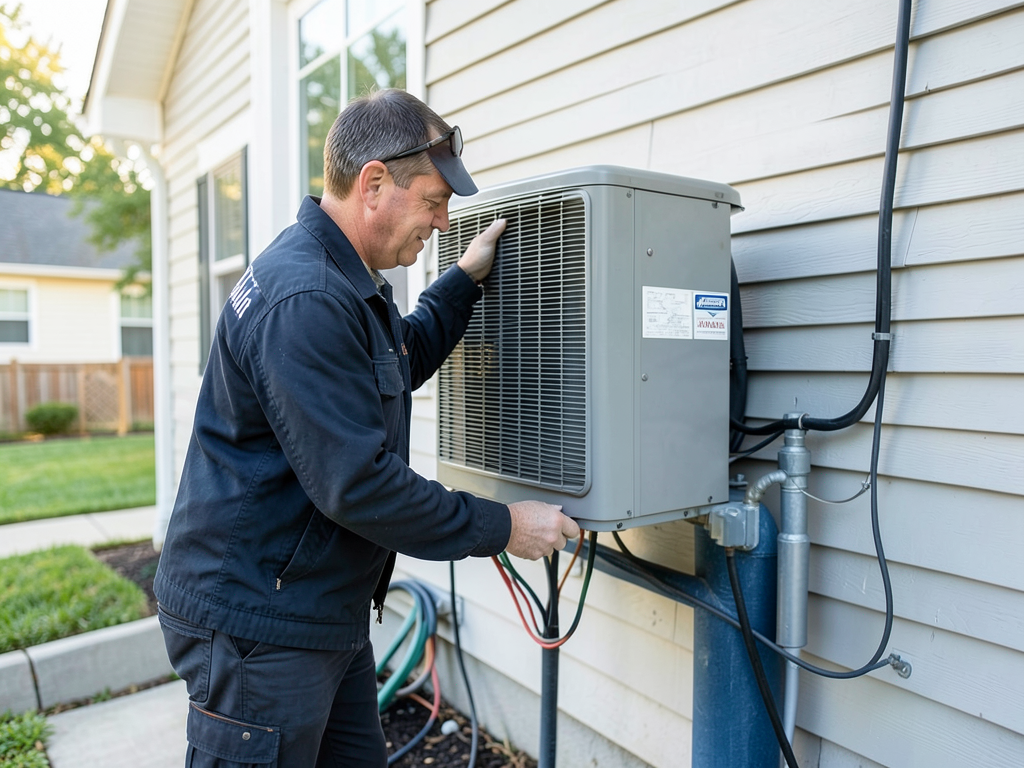
Heat pump diagnostics reveal efficiency patterns through temperature splits across the indoor coil. Technicians measure supply air at 95-105°F during normal heating, compared to gas furnaces that consistently deliver 120-140°F air. This temperature difference affects how quickly rooms warm up and how comfortable occupants feel near supply vents.
Gas Furnace Performance and Nashville’s Weather Patterns
Gas furnaces burn natural gas from Piedmont Natural Gas to create consistent, high-temperature heat regardless of outdoor conditions. Modern units with AFUE ratings above 95% convert nearly all fuel energy into usable heat, making them reliable during Nashville’s occasional polar vortex events when temperatures plummet below 15°F. Energy Star heat pump efficiency standards.
The Cumberland River floodplain affects how homes in Donelson and Hermitage experience cold snaps. River valley temperatures can be 3-5°F colder than surrounding areas, giving gas furnaces an advantage during extreme weather. Homes in these zones often see heat pumps running continuously at their lowest efficiency during prolonged cold periods.
Cost Analysis: Upfront Investment vs. Monthly Utilities
| System Type | Average Installation Cost | Annual Operating Cost | Lifespan |
|---|---|---|---|
| Heat Pump (15 SEER2) | $6,800 – $9,500 | $450 – $650 | 12-15 years |
| Gas Furnace (95% AFUE) | $4,500 – $6,500 | $650 – $850 | 15-20 years |
| Dual Fuel System | $8,200 – $11,000 | $500 – $700 | 15-20 years |
Nashville Electric Service rates average 12.5 cents per kWh, while Piedmont Natural Gas charges approximately $1.15 per therm. A heat pump using 15,000 kWh annually costs about $1,875 to operate, while a 95% efficient furnace burning 50 therms monthly during winter months runs approximately $690 for heating season.
TVA EnergyRight rebates currently offer $200-$400 for qualifying heat pumps and $150 for high-efficiency gas furnaces. Federal Tax Credit 25C provides 30% of installation costs up to $2,000 for qualifying heat pump systems through 2032.
The Hybrid Solution (Dual Fuel Systems)
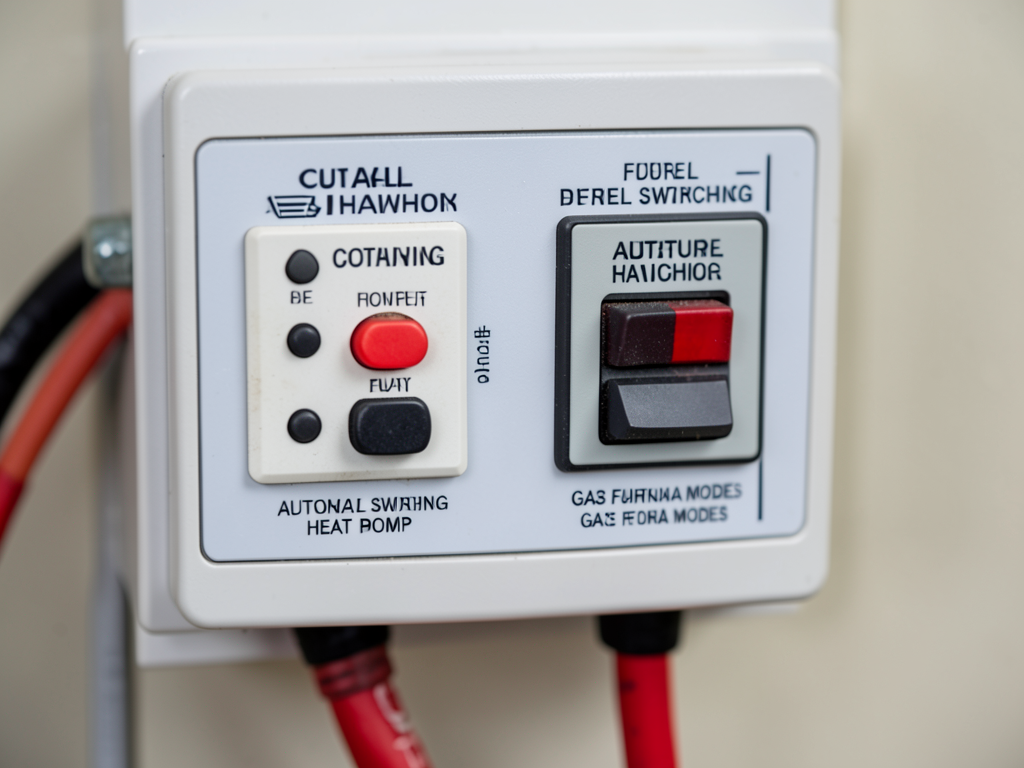
Dual fuel systems combine a heat pump with a gas furnace backup, automatically switching between electric and gas heating based on outdoor temperatures and utility rates. In Nashville’s climate, the system typically uses the heat pump down to 30-35°F, then switches to the gas furnace for colder periods.
Metro Nashville Energy Conservation Code Section 13-10-130 requires all new HVAC installations to meet minimum efficiency standards based on building type and location. Dual fuel systems often exceed these requirements while providing the flexibility to adapt to fluctuating energy prices.
Installation considerations vary by neighborhood. Historic East Nashville homes with balloon-frame construction require specialized ductwork sealing to prevent heat loss. Modern builds in Mount Juliet benefit from advanced zoning controls that maximize system efficiency across multiple stories. HVAC Mount Juliet.
Local Rebates and Tax Credits
TVA EnergyRight Program offers Middle Tennessee homeowners rebates for heat pumps meeting minimum HSPF2 ratings of 8.2 and SEER2 ratings of 15.0. The program requires installation by TVA QCN (Quality Contractor Network) members and includes free energy audits for qualifying participants.
Federal Tax Credit 25C allows homeowners to claim 30% of installation costs for qualifying heat pumps, up to $2,000 maximum credit. Gas furnaces meeting 95% AFUE efficiency qualify for 22% credit up to $600. Both credits apply to equipment installed in primary residences through December 31, 2032.
Nashville Electric Service offers time-of-use rates that benefit heat pump owners who can shift heating loads to off-peak hours. Customers who participate in NES’s demand response programs may receive additional bill credits during peak summer months.
Pros and Cons Summary Table
| Factor | Heat Pump | Gas Furnace | Dual Fuel |
|---|---|---|---|
| Initial Cost | $$$-$$$$ | $$ – $$$ | $$$$ |
| Operating Cost | $ – $$ | $$ – $$$ | $ – $$ |
| Winter Reliability | Good – Fair | Excellent | Excellent |
| Summer Cooling | Excellent | N/A | Excellent |
| Humidity Control | Excellent | N/A | Excellent |
| Lifespan | 12-15 years | 15-20 years | 15-20 years |
Making the Right Choice for Your Nashville Home
Your current fuel source heavily influences the most cost-effective choice. Homes already connected to Piedmont Natural Gas infrastructure often find gas furnaces more economical due to existing utility connections and competitive natural gas pricing in Middle Tennessee.
Older homes in neighborhoods like Sylvan Park and 12 South typically benefit from heat pumps due to their existing electric service infrastructure. Many of these properties lack natural gas lines, making heat pump installation more straightforward and cost-effective.
New construction in rapidly developing areas like Smyrna and Murfreesboro often incorporates dual fuel systems from the start. Builders recognize the long-term value of systems that can adapt to changing energy markets and provide optimal comfort across Tennessee’s wide temperature swings.
System sizing requires Manual J calculations specific to Nashville’s climate zone. A typical 2,000-square-foot home in Zone 4 needs approximately 36,000-42,000 BTU heating capacity, though factors like insulation quality, window orientation, and ceiling height significantly impact requirements.
Installation timing affects both cost and availability. Spring and fall offer the best combination of mild weather for installation and competitive pricing, as HVAC contractors experience lower demand during these shoulder seasons.
Maintenance requirements differ between systems. Heat pumps need twice-yearly service to clean coils and check refrigerant levels, while gas furnaces require annual inspections of heat exchangers, burners, and venting systems. Both systems benefit from regular filter changes every 1-3 months depending on household conditions.
Environmental considerations increasingly influence homeowner decisions. Heat pumps produce zero on-site emissions and can be powered by renewable energy sources. Gas furnaces, even high-efficiency models, generate carbon dioxide and require proper venting to prevent indoor air quality issues.
Frequently Asked Questions
Can a heat pump handle Nashville’s coldest winter nights?
Modern heat pumps with variable-speed compressors maintain efficiency down to about 25°F. During Nashville’s occasional sub-20°F nights, auxiliary heat strips provide supplemental warmth. Most homeowners never notice the switch to backup heating, though utility bills may increase slightly during extreme cold snaps.
How long does installation take for each system type?
Heat pump installations typically require 1-2 days for complete system replacement, including electrical upgrades if needed. Gas furnace installations often complete in one day since they don’t require refrigerant line work. Dual fuel systems need 2-3 days due to the complexity of integrating both heating sources.
What’s the break-even point for choosing a heat pump over a gas furnace?
Based on Nashville utility rates and typical usage patterns, heat pumps break even with gas furnaces in approximately 7-9 years for homes without existing gas infrastructure. Homes with existing gas service may see longer payback periods unless electricity rates remain stable or decrease.
Do I need to replace my air conditioner if I choose a gas furnace?
No, gas furnaces only provide heating. You’ll need a separate air conditioning system for summer cooling. Many homeowners choose to replace both systems simultaneously to ensure compatibility and maximize efficiency, though this represents a larger upfront investment.
Call (615) 552-1922 today to schedule your inspection. Our Nashville HVAC experts will evaluate your home’s specific needs, current utility setup, and long-term comfort goals to recommend the perfect heating solution. Don’t wait until the next cold snap leaves you shivering – get professional guidance now.
Pick up the phone and call (615) 552-1922 before the next storm hits. With Middle Tennessee’s unpredictable weather patterns, having the right heating system installed by experienced local professionals makes all the difference between comfort and costly emergency repairs. Storm Damage HVAC Repair.
Energy Efficiency Standards and Local Requirements
Department of Energy regional standards mandate minimum efficiency levels based on climate zones. Nashville’s Zone 4 requirements include 14 SEER2 minimum for air conditioners and 8.2 HSPF2 minimum for heat pumps. These standards ensure all new installations meet baseline efficiency regardless of fuel type.
TN State Fire Marshal Mechanical Codes Section 1101.0 requires proper venting for all combustion appliances, including gas furnaces. This includes maintaining specific clearances from combustible materials and ensuring adequate combustion air supply based on BTU input ratings.
Local building permits must be obtained before HVAC replacements in Davidson County. The Metro Nashville Codes Department reviews plans to verify compliance with energy conservation requirements and mechanical code provisions specific to Nashville’s mixed-humid climate.
System commissioning involves testing airflow, measuring temperature differentials, and verifying control sequences. Proper commissioning ensures the system operates at design specifications and identifies potential issues before they become costly problems during extreme weather.
Smart thermostat integration maximizes efficiency for both system types. Heat pumps benefit from setback recovery algorithms that prevent unnecessary auxiliary heat activation, while gas furnaces achieve optimal performance through precise temperature control and zoning capabilities.
Future-proofing considerations include electrical service capacity, potential renewable energy integration, and compatibility with emerging HVAC technologies. Heat pumps offer greater flexibility for future upgrades, while gas furnaces provide reliable performance regardless of electrical grid conditions.
Financing options through TVA EnergyRight and local credit unions make both system types accessible to Nashville homeowners. Programs often include low-interest rates and extended terms specifically for energy-efficient home improvements that reduce long-term utility costs.
Professional load calculations account for Nashville’s unique climate factors including humidity levels, solar heat gain, and local wind patterns. These calculations ensure properly sized equipment that maintains comfort without excessive cycling or energy waste.
Emergency preparedness varies by system type. Heat pumps require electricity for both heating and cooling, while gas furnaces can provide heat during power outages if equipped with proper controls. Dual fuel systems offer the best of both worlds but at premium cost.
Indoor air quality impacts differ significantly between systems. Heat pumps continuously filter and dehumidify air during operation, while gas furnaces may require additional air purification equipment to achieve similar air quality levels. Both systems benefit from proper filtration and ventilation strategies.
Resale value considerations often favor heat pumps in Nashville’s market. Energy-efficient heat pump installations can increase home values by $2,000-$5,000 according to local real estate data, particularly in neighborhoods where utility costs significantly impact monthly expenses.
Maintenance contracts provide peace of mind regardless of system choice. Professional maintenance extends equipment life, maintains efficiency, and prevents costly breakdowns during extreme weather when systems work hardest to maintain comfort.
Call (615) 552-1922 today to schedule your inspection. Our Nashville HVAC experts will evaluate your home’s specific needs, current utility setup, and long-term comfort goals to recommend the perfect heating solution. Don’t wait until the next cold snap leaves you shivering – get professional guidance now.
Pick up the phone and call (615) 552-1922 before the next storm hits. With Middle Tennessee’s unpredictable weather patterns, having the right heating system installed by experienced local professionals makes all the difference between comfort and costly emergency repairs.
{
“@context”: “https://schema.org”,
“@type”: “BlogPosting”,
“headline”: “Choosing Between a Heat Pump and a Gas Furnace for the Nashville Climate”,
“description”: “Heat pump vs gas furnace comparison for Nashville homeowners. Find out which system saves money and keeps your home comfortable in Tennessee’s mixed-humid climate.”,
“wordCount”: 1969,
“datePublished”: “2026-02-26T14:24:00.000Z”,
“dateModified”: “2026-02-26T14:24:00.000Z”,
“inLanguage”: “en-US”,
“mainEntityOfPage”: {
“@type”: “WebPage”,
“@id”: “https://alphahvacnashville.com”
},
“publisher”: {
“@type”: “LocalBusiness”,
“name”: “Alpha HVAC Nashville”,
“url”: “https://alphahvacnashville.com”
},
“author”: {
“@type”: “Organization”,
“name”: “Alpha HVAC Nashville”,
“url”: “https://alphahvacnashville.com”
},
“image”: {
“@type”: “ImageObject”,
“url”: “https://alphahvacnashville.com/wp-content/uploads/2026/03/choosing-between-a-heat-pump-and-a-gas-furnace-for-1.png”
}
}
{
“@context”: “https://schema.org”,
“@type”: “HVACBusiness”,
“name”: “Alpha HVAC Nashville”,
“url”: “https://alphahvacnashville.com”,
“address”: {
“@type”: “PostalAddress”,
“addressLocality”: “Nashville”
},
“areaServed”: {
“@type”: “City”,
“name”: “Nashville”
}
}
{
“@context”: “https://schema.org”,
“@type”: “FAQPage”,
“mainEntity”: [
{
“@type”: “Question”,
“name”: “Can a heat pump handle Nashville’s coldest winter nights?”,
“acceptedAnswer”: {
“@type”: “Answer”,
“text”: “Modern heat pumps with variable-speed compressors maintain efficiency down to about 25°F. During Nashville’s occasional sub-20°F nights, auxiliary heat strips provide supplemental warmth. Most homeowners never notice the switch to backup heating, though utility bills may increase slightly during extreme cold snaps.”
}
},
{
“@type”: “Question”,
“name”: “How long does installation take for each system type?”,
“acceptedAnswer”: {
“@type”: “Answer”,
“text”: “Heat pump installations typically require 1-2 days for complete system replacement, including electrical upgrades if needed. Gas furnace installations often complete in one day since they don’t require refrigerant line work. Dual fuel systems need 2-3 days due to the complexity of integrating both heating sources.”
}
},
{
“@type”: “Question”,
“name”: “What’s the break-even point for choosing a heat pump over a gas furnace?”,
“acceptedAnswer”: {
“@type”: “Answer”,
“text”: “Based on Nashville utility rates and typical usage patterns, heat pumps break even with gas furnaces in approximately 7-9 years for homes without existing gas infrastructure. Homes with existing gas service may see longer payback periods unless electricity rates remain stable or decrease.”
}
},
{
“@type”: “Question”,
“name”: “Do I need to replace my air conditioner if I choose a gas furnace?”,
“acceptedAnswer”: {
“@type”: “Answer”,
“text”: “No, gas furnaces only provide heating. You’ll need a separate air conditioning system for summer cooling. Many homeowners choose to replace both systems simultaneously to ensure compatibility and maximize efficiency, though this represents a larger upfront investment.”
}
}
]
}
{
“@context”: “https://schema.org”,
“@type”: “BreadcrumbList”,
“itemListElement”: [
{
“@type”: “ListItem”,
“position”: 1,
“name”: “Home”,
“item”: “https://alphahvacnashville.com”
},
{
“@type”: “ListItem”,
“position”: 2,
“name”: “Blog”,
“item”: “https://alphahvacnashville.com/blog”
},
{
“@type”: “ListItem”,
“position”: 3,
“name”: “Choosing Between a Heat Pump and a Gas Furnace for the Nashville Climate”
}
]
}
{
“@context”: “https://schema.org”,
“@type”: “Service”,
“serviceType”: “HVAC”,
“provider”: {
“@type”: “LocalBusiness”,
“name”: “Alpha HVAC Nashville”,
“url”: “https://alphahvacnashville.com”
},
“areaServed”: {
“@type”: “City”,
“name”: “Nashville”
},
“description”: “Heat pump vs gas furnace comparison for Nashville homeowners. Find out which system saves money and keeps your home comfortable in Tennessee’s mixed-humid climate.”
}