
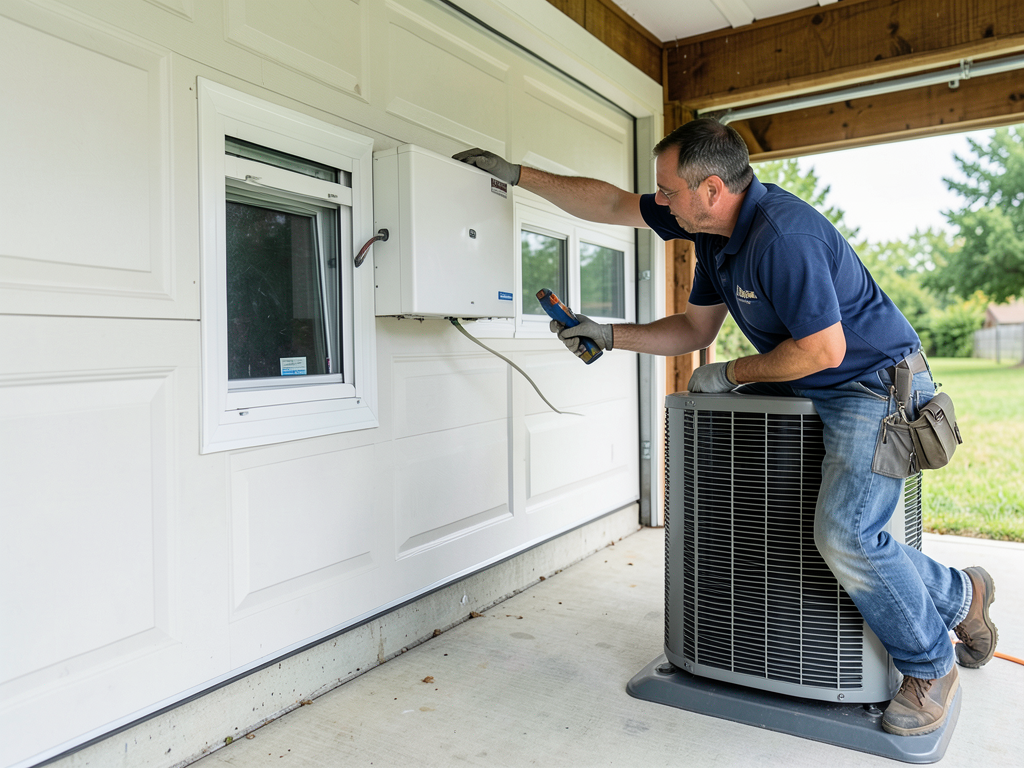
Adding AC to a Detached Garage or Studio in Edgehill Using Ductless Mini Splits
Adding air conditioning to a detached garage or studio in Edgehill transforms an underutilized space into a functional year-round workspace, gym, or creative studio. Nashville’s humid subtropical climate makes traditional window units inefficient, while ductless mini splits offer precise temperature control and humidity management without major construction. This guide covers everything you need to know about sizing, installation, and local considerations for your Edgehill property. Nashville AC Repair Companies That Actually Answer the Phone on Weekends.
Why Edgehill Homeowners Choose Ductless Mini Splits for Detached Structures
Edgehill’s mix of historic bungalows and modern infill development creates unique HVAC challenges for detached garages and accessory dwelling units. Many structures built before 2000 lack insulation or proper ventilation, making temperature control nearly impossible during Nashville’s extreme seasonal swings. Ductless mini splits solve this by providing targeted cooling and heating without requiring ductwork through finished walls. Heating and Cooling Historic Germantown Homes Without Bulky Ductwork.
The technology works exceptionally well for Edgehill’s common garage uses: home offices where concentration matters, woodworking shops where dust collection systems need clean air, or yoga studios where temperature consistency affects performance. Unlike window units that create security concerns and block natural light, wall-mounted indoor units maintain the aesthetic integrity of your space while delivering whisper-quiet operation. The Best High Efficiency HVAC Systems for Luxury Homes in Brentwood.
Edgehill’s proximity to downtown means many homeowners work from home and need dedicated workspace. A properly sized mini split creates a professional environment that separates work life from home life, potentially increasing property value while providing immediate comfort benefits. EPA Section 608 certification requirements.
Understanding Nashville’s Climate Impact on Garage HVAC
Nashville experiences 45+ inches of annual rainfall and summer humidity levels consistently above 70%, creating perfect conditions for mold growth in unconditioned spaces. A detached garage in Edgehill without climate control can reach 110°F on summer afternoons, damaging electronics, warping wood, and creating uncomfortable conditions for any activity.
Winter presents opposite challenges. While Nashville winters are mild compared to northern states, temperatures regularly drop below freezing from December through February. A garage workspace without heating becomes unusable, and plumbing in nearby structures risks freezing if temperatures plummet unexpectedly.. Read more about How to keep your HVAC system safe while renovating your Melrose bungalow.
The diurnal temperature swing in Middle Tennessee means mornings might start at 35°F and reach 65°F by afternoon. This variation stresses equipment and makes manual temperature adjustments frustrating. Mini splits with inverter technology automatically adjust output to maintain consistent temperatures regardless of outdoor conditions.
Edgehill’s urban heat island effect slightly moderates temperature extremes compared to outlying areas, but the humidity remains constant. This makes dehumidification capability crucial. Quality mini splits remove 2-3 pints of moisture per hour during cooling, preventing the musty odors and mildew growth common in unconditioned garages.
Proper Sizing: BTU Requirements for Edgehill Garages
BTU (British Thermal Units) requirements depend on multiple factors specific to your Edgehill property. A standard one-car garage (240 square feet) typically needs 6,000-9,000 BTU, while a two-car garage (400-500 square feet) requires 12,000-18,000 BTU. However, Nashville’s humidity means you should add 10-15% capacity to handle moisture removal effectively.
Insulation dramatically affects sizing calculations. Many Edgehill garages built before 2000 have uninsulated concrete block walls or minimal fiberglass batting. Poor insulation means your mini split works harder, increasing energy costs and wear. Consider adding R-13 insulation to walls and R-30 to ceilings if you plan frequent use.
Window placement and garage door construction impact heat gain. South-facing windows in Edgehill receive intense afternoon sun, potentially adding 2,000 BTU to your cooling load. Older wooden garage doors with gaps allow significant air infiltration, while modern insulated doors reduce load requirements.
Usage patterns matter too. A garage gym with multiple occupants and exercise equipment generates additional heat. Plan for 600 BTU per person and 500 BTU per major heat-generating appliance. If you’re running power tools or computers, factor in their heat output when sizing your system.
Outdoor unit placement requires consideration of Nashville’s storm patterns. Edgehill experiences occasional severe thunderstorms with high winds. Mount the condenser on a concrete pad or wall bracket at least 12 inches above ground to prevent water damage during heavy rains common in May and June. Storm Damage HVAC Repair.
Installation Considerations for Edgehill Properties
Edgehill’s mix of historic and modern architecture means installation approaches vary significantly by property. Historic district homes may require additional permits for exterior modifications, while newer constructions often have more flexible installation options. Always check Davidson County permit requirements before beginning work. Davidson County Building Permit requirements.
Electrical capacity presents the most common limitation. Many older Edgehill garages have 15-amp circuits insufficient for mini split operation. A 12,000 BTU unit typically requires a dedicated 20-amp, 240-volt circuit. Upgrading electrical service may add $300-500 to your project cost but ensures safe, reliable operation.
Condensate drainage requires careful planning in Nashville’s freeze-thaw cycles. The condensate line must slope downward at least 1/4 inch per foot and terminate at least 12 inches from the foundation. In Edgehill’s clay soil conditions, ensure the drain line doesn’t create erosion or water pooling near your structure.
Noise considerations matter in Edgehill’s dense residential fabric. Modern mini splits operate at 25-35 decibels indoors, quieter than a whisper. However, the outdoor condenser generates 50-60 decibels. Place it away from bedroom windows and consider sound barriers if your property sits close to neighbors.
Mounting options affect both performance and aesthetics. Wall-mounted units work well for most applications, but floor-mounted units provide easier filter access and work better in garages with limited wall space. Ceiling cassette units offer the most discreet appearance but require ceiling access and increase installation complexity. HVAC Mount Juliet.
Energy Efficiency and Cost Factors
SEER2 (Seasonal Energy Efficiency Ratio) ratings indicate cooling efficiency. In Nashville’s climate, a minimum 16 SEER2 unit makes economic sense, while 18-20 SEER2 units provide maximum efficiency for heavy usage. Higher SEER ratings cost more upfront but reduce monthly electricity bills, particularly important given Nashville Electric Service’s summer rate structures.
Inverter technology represents a crucial efficiency feature. Unlike traditional HVAC that cycles on and off, inverter-driven compressors adjust output continuously. This maintains consistent temperatures while using 30-50% less electricity than single-stage units. The technology also extends equipment life by reducing startup stress.
Local incentives can offset installation costs. Nashville Electric Service occasionally offers rebates for high-efficiency HVAC equipment, though programs vary annually. Federal tax credits for ENERGY STAR certified equipment can provide up to $300 in savings. Check current TVA and NES programs before purchasing.
Installation costs in Edgehill typically range from $2,500-4,500 depending on complexity. Factors affecting price include electrical upgrades, condensate line length, mounting requirements, and permit fees. Simple installations in accessible locations cost less than complex setups requiring structural modifications or extensive electrical work.
Operating costs depend on usage patterns and local electricity rates. A 12,000 BTU unit running 8 hours daily costs approximately $30-40 monthly at current NES rates. Adding a programmable thermostat or smart controls can reduce costs by 15-20% through optimized scheduling.
Maintenance Requirements for Nashville’s Climate
Nashville’s humidity and pollen create specific maintenance needs for mini split systems. The air filter requires cleaning every 30-60 days during heavy usage seasons. Edgehill’s proximity to urban areas means air filters collect dust and debris faster than suburban locations, potentially reducing efficiency by 15% when dirty.
Condenser coils need annual cleaning to maintain efficiency. Nashville’s spring pollen season coats outdoor units with fine particles that restrict airflow. A professional cleaning each spring ensures optimal performance during peak cooling season. DIY coil cleaning with a garden hose works but risks bending fins if done improperly.
Drain line maintenance prevents the most common failure in Nashville’s climate. The condensate drain can develop algae growth in our warm, humid conditions, causing water backup and potential overflow. Pour a cup of white vinegar through the drain annually to prevent blockages.
Refrigerant levels should be checked every two years. Nashville’s temperature extremes can stress refrigerant lines, causing microscopic leaks that gradually reduce efficiency. A 10% refrigerant loss increases energy consumption by 20% and reduces cooling capacity noticeably.
Check mounting hardware annually, especially after severe weather. Nashville experiences occasional high winds and hailstorms that can loosen outdoor unit brackets. Ensure the unit remains level and all connections stay tight to prevent vibration damage and premature failure.
Comparing Mini Splits to Alternative Garage Cooling Options
Window units seem economical initially but cost more long-term. A quality 12,000 BTU window unit costs $400-600 but typically lasts 5-7 years in Nashville’s harsh climate. Mini splits cost more upfront but last 15-20 years with proper maintenance, making them more economical over time.
Window units create security vulnerabilities in Edgehill’s urban setting. They can be easily removed from outside, providing access to your garage. Mini splits mount permanently inside, maintaining security while providing better insulation and eliminating the unsightly appearance of window units.
Portable air conditioners offer flexibility but sacrifice efficiency. Most portable units have SEER ratings of 8-10 compared to 16+ for mini splits. They also require floor space and exhaust hoses that create trip hazards in workshop environments. Noise levels often exceed 60 decibels, making them unsuitable for offices or studios.
Traditional ducted systems work for attached garages but prove impractical for detached structures. Running ductwork across yards or through finished spaces costs $5,000-8,000 and creates energy losses at every connection. Mini splits provide similar comfort without the construction disruption and energy waste.
Evaporative coolers, popular in dry climates, fail completely in Nashville’s humidity. They work by adding moisture to air, counterproductive when relative humidity already exceeds 70%. Mini splits actually remove moisture, improving comfort while preventing the mold growth evaporative coolers would encourage.
Permitting and Code Requirements in Davidson County
Davidson County requires permits for most mini split installations, including detached structures. The permit process ensures proper electrical work and confirms compliance with setback requirements. Edgehill’s mix of zoning classifications means requirements vary by specific property, so check with Metro Codes Administration before starting.
Electrical work must comply with NEC Article 440, which covers air conditioning and refrigeration equipment. This includes proper disconnect switches within sight of the outdoor unit and correct wire sizing for the load. DIY electrical work is illegal and dangerous, particularly in older Edgehill homes with potentially outdated wiring.
Refrigerant handling requires EPA Section 608 certification. The Clean Air Act mandates proper recovery and recycling of refrigerants, with substantial fines for violations. Licensed HVAC contractors maintain current certifications and proper recovery equipment to handle refrigerants legally and safely.
Mounting requirements address Nashville’s storm risks. Outdoor units must be secured to prevent tipping during high winds, with hurricane straps required in some areas. The condenser pad must support the unit’s weight plus wind loads, typically requiring a 3-inch thick concrete pad for units over 18,000 BTU.
Noise ordinances affect installation timing and placement. Davidson County limits construction noise to certain hours, and while operating noise isn’t regulated, excessive condenser noise can violate nuisance ordinances if it disturbs neighbors. Strategic placement and sound barriers often resolve potential conflicts.
Top Mini Split Brands for Nashville Applications
Mitsubishi Electric leads the premium segment with Hyper-Heating INVERTER technology that maintains efficiency down to -13°F. While Nashville rarely sees such temperatures, this technology provides superior performance during unexpected cold snaps. Their 23+ SEER2 units offer maximum efficiency for heavy usage applications.
Daikin offers excellent value with their Fit series designed specifically for retrofit applications. Their units install easily in tight spaces and provide reliable performance in Nashville’s humidity. The company’s long history in commercial HVAC translates to robust residential products backed by strong warranties.
Fujitsu’s Halcyon line provides strong performance at mid-range prices. Their filter systems excel at removing Nashville’s seasonal pollen, making them ideal for users with allergies. The company’s focus on quiet operation benefits Edgehill’s close-quarter living arrangements.
LG and Samsung bring consumer electronics expertise to HVAC, offering smart features and competitive pricing. Their units integrate with home automation systems, allowing control via smartphone apps. However, warranty service can be slower than Japanese brands in our region.
Choosing among brands often comes down to local dealer support rather than unit specifications. All major brands offer similar efficiency in comparable price ranges. The key is selecting an experienced local installer who can properly size and commission your system for Nashville’s specific conditions.
Smart Controls and Modern Features
Wi-Fi enabled mini splits allow control from anywhere via smartphone apps. This proves useful for Edgehill residents who travel frequently or want to cool their workspace before arriving. Most systems offer scheduling, remote monitoring, and energy usage tracking through intuitive interfaces.
Motion sensors in premium units adjust operation based on room occupancy, saving energy in rarely-used spaces. Some systems learn usage patterns over time, automatically adjusting temperatures based on typical schedules. These features can reduce energy consumption by 10-15% without sacrificing comfort.
Air quality sensors monitor particulate matter, VOCs, and humidity levels. When air quality degrades, the system can automatically increase filtration or adjust humidity control. This proves valuable in Edgehill’s urban environment where construction dust and vehicle emissions affect outdoor air quality.
Voice control integration with Amazon Alexa, Google Assistant, or Apple HomeKit provides hands-free operation. You can adjust temperatures, change modes, or check system status through simple voice commands. This convenience proves especially useful when your hands are occupied with projects in your garage workspace.
Energy monitoring features track electricity usage in real-time, helping identify efficiency opportunities. Some systems provide cost estimates based on local utility rates, allowing you to optimize usage patterns for maximum savings. Integration with home energy management systems enables whole-house optimization.
Installation Timeline and Process
Professional mini split installation in Edgehill typically requires 4-8 hours for standard applications. The process begins with site assessment to determine optimal unit placement, electrical requirements, and condensate drainage solutions. Your contractor should evaluate structural support needs and local code compliance during this phase.
Electrical preparation often requires a dedicated circuit installation, which may need separate permitting. This work typically occurs first, with the HVAC installation following once electrical rough-in passes inspection. Plan for potential delays if electrical upgrades prove more complex than initially anticipated.
Indoor unit mounting involves securing the mounting plate, creating a small hole for refrigerant lines and wiring, and positioning the unit for optimal airflow. Professional installers use laser levels to ensure perfect alignment and proper drainage slope. The entire process generates minimal dust and disruption.
Outdoor unit installation requires concrete pad preparation or wall mounting bracket installation. The pad must be level within 1/4 inch to prevent vibration and premature wear. Refrigerant lines connect through insulated conduit, with connections pressure tested to ensure leak-free operation.
System commissioning involves evacuating air from refrigerant lines, checking for leaks, and verifying proper operation across all modes. The installer should demonstrate all features, explain maintenance requirements, and provide warranty documentation. Most installations include a final inspection by local authorities if permits were required.
Frequently Asked Questions
How much does it cost to install a mini split in a detached Edgehill garage?
Installation costs typically range from $2,500-4,500 depending on garage size, electrical requirements, and installation complexity. A basic 9,000 BTU system for a one-car garage starts around $2,500, while a 18,000 BTU system for a two-car garage with electrical upgrades can reach $4,500.
Do I need a permit to install a mini split in Davidson County?
Yes, most mini split installations require permits in Davidson County. The permit ensures proper electrical work and confirms compliance with local codes. Your HVAC contractor should handle permitting, but always verify they’ve obtained necessary approvals before work begins.
How long do mini splits last in Nashville’s climate?
Quality mini splits typically last 15-20 years in Nashville with proper maintenance. The climate creates specific challenges including humidity-related corrosion and pollen accumulation, but regular professional maintenance can maximize system lifespan and efficiency.
Can a mini split heat my garage during Nashville winters?
Yes, mini splits provide efficient heating even in cold weather. Most units maintain heating capacity down to 20°F, with premium models operating effectively below 0°F. Nashville’s mild winters mean your system will handle typical conditions easily while providing cooling during summer.
What size mini split do I need for my garage?
Size depends on garage square footage, insulation quality, and usage patterns. A one-car garage typically needs 6,000-9,000 BTU, while a two-car garage requires 12,000-18,000 BTU. Nashville’s humidity means adding 10-15% capacity for effective moisture removal.
Getting Started with Your Edgehill Garage Mini Split
Converting your Edgehill garage or studio into a comfortable, year-round space starts with a professional assessment. Local HVAC contractors familiar with Davidson County codes and Nashville’s climate can evaluate your specific needs, recommend appropriate equipment, and provide accurate installation quotes.
Consider your primary use when selecting equipment. A home office requires different features than a woodworking shop or fitness studio. Factor in future plans too—adding insulation during installation costs less than retrofitting later and improves system efficiency significantly.
Quality installation matters as much as equipment selection. Improper refrigerant charging, poor electrical connections, or inadequate drainage can cause premature failure and void warranties. Choose contractors with specific experience in detached structure installations and strong local references.
The investment in a mini split system pays dividends through increased usable space, improved property value, and enhanced comfort. Edgehill’s desirable location makes every square foot valuable, and climate control transforms your garage from storage space to functional living or working area.
Ready to take the next step? Call (615) 552-1922 today to schedule your free consultation. Our Nashville-based team understands the unique challenges of conditioning detached structures in Middle Tennessee’s climate and can recommend the perfect solution for your Edgehill property.
{
“@context”: “https://schema.org”,
“@type”: “BlogPosting”,
“headline”: “Adding AC to a Detached Garage or Studio in Edgehill Using Ductless Mini Splits”,
“description”: “Convert your Edgehill garage into a comfortable workspace with ductless mini splits. Learn about sizing, installation, and Nashville-specific climate benefits.”,
“wordCount”: 2934,
“datePublished”: “2026-03-06T10:11:00.000Z”,
“dateModified”: “2026-03-06T10:11:00.000Z”,
“inLanguage”: “en-US”,
“mainEntityOfPage”: {
“@type”: “WebPage”,
“@id”: “https://alphahvacnashville.com”
},
“publisher”: {
“@type”: “LocalBusiness”,
“name”: “Alpha HVAC Nashville”,
“url”: “https://alphahvacnashville.com”
},
“author”: {
“@type”: “Organization”,
“name”: “Alpha HVAC Nashville”,
“url”: “https://alphahvacnashville.com”
},
“image”: {
“@type”: “ImageObject”,
“url”: “https://alphahvacnashville.com/wp-content/uploads/2026/03/adding-ac-to-a-detached-garage-or-studio-in-edgehi-1.png”
}
}
{
“@context”: “https://schema.org”,
“@type”: “HVACBusiness”,
“name”: “Alpha HVAC Nashville”,
“url”: “https://alphahvacnashville.com”,
“address”: {
“@type”: “PostalAddress”,
“addressLocality”: “Nashville”
},
“areaServed”: {
“@type”: “City”,
“name”: “Nashville”
}
}
{
“@context”: “https://schema.org”,
“@type”: “FAQPage”,
“mainEntity”: [
{
“@type”: “Question”,
“name”: “How much does it cost to install a mini split in a detached Edgehill garage?”,
“acceptedAnswer”: {
“@type”: “Answer”,
“text”: “Installation costs typically range from $2,500-4,500 depending on garage size, electrical requirements, and installation complexity. A basic 9,000 BTU system for a one-car garage starts around $2,500, while a 18,000 BTU system for a two-car garage with electrical upgrades can reach $4,500.”
}
},
{
“@type”: “Question”,
“name”: “Do I need a permit to install a mini split in Davidson County?”,
“acceptedAnswer”: {
“@type”: “Answer”,
“text”: “Yes, most mini split installations require permits in Davidson County. The permit ensures proper electrical work and confirms compliance with local codes. Your HVAC contractor should handle permitting, but always verify they’ve obtained necessary approvals before work begins.”
}
},
{
“@type”: “Question”,
“name”: “How long do mini splits last in Nashville’s climate?”,
“acceptedAnswer”: {
“@type”: “Answer”,
“text”: “Quality mini splits typically last 15-20 years in Nashville with proper maintenance. The climate creates specific challenges including humidity-related corrosion and pollen accumulation, but regular professional maintenance can maximize system lifespan and efficiency.”
}
},
{
“@type”: “Question”,
“name”: “Can a mini split heat my garage during Nashville winters?”,
“acceptedAnswer”: {
“@type”: “Answer”,
“text”: “Yes, mini splits provide efficient heating even in cold weather. Most units maintain heating capacity down to 20°F, with premium models operating effectively below 0°F. Nashville’s mild winters mean your system will handle typical conditions easily while providing cooling during summer.”
}
},
{
“@type”: “Question”,
“name”: “What size mini split do I need for my garage?”,
“acceptedAnswer”: {
“@type”: “Answer”,
“text”: “Size depends on garage square footage, insulation quality, and usage patterns. A one-car garage typically needs 6,000-9,000 BTU, while a two-car garage requires 12,000-18,000 BTU. Nashville’s humidity means adding 10-15% capacity for effective moisture removal.”
}
}
]
}
{
“@context”: “https://schema.org”,
“@type”: “BreadcrumbList”,
“itemListElement”: [
{
“@type”: “ListItem”,
“position”: 1,
“name”: “Home”,
“item”: “https://alphahvacnashville.com”
},
{
“@type”: “ListItem”,
“position”: 2,
“name”: “Blog”,
“item”: “https://alphahvacnashville.com/blog”
},
{
“@type”: “ListItem”,
“position”: 3,
“name”: “Adding AC to a Detached Garage or Studio in Edgehill Using Ductless Mini Splits”
}
]
}
{
“@context”: “https://schema.org”,
“@type”: “Service”,
“serviceType”: “HVAC”,
“provider”: {
“@type”: “LocalBusiness”,
“name”: “Alpha HVAC Nashville”,
“url”: “https://alphahvacnashville.com”
},
“areaServed”: {
“@type”: “City”,
“name”: “Nashville”
},
“description”: “Convert your Edgehill garage into a comfortable workspace with ductless mini splits. Learn about sizing, installation, and Nashville-specific climate benefits.”
}