
The Best Air Filters for Combating Nashville’s Intense Allergy Season
Nashville’s allergy season hits harder than almost anywhere else in the Southeast thanks to our unique geography and climate. The Cumberland River basin creates what locals call a ‘pollen bowl’ effect, trapping allergens and making spring and fall particularly brutal for Middle Tennessee residents. If you’re constantly battling itchy eyes, sneezing fits, and that persistent ‘allergy fog,’ your HVAC air filter might be your first line of defense.
The right air filter doesn’t just trap dust—it actively removes the microscopic particles that trigger allergic reactions. But here’s the catch: not all filters are created equal, and choosing the wrong one can actually make your HVAC system work harder without improving your air quality. Let’s cut through the marketing hype and focus on what actually works for Nashville homes.
Understanding Nashville’s Allergy Triggers
Before diving into filter options, you need to know what you’re up against. Nashville’s allergy season typically runs from late February through November, with peak periods in April and October. The main culprits include:
- Oak, Hickory, and Cedar tree pollen (February-May)
- Ragweed and grass pollen (August-November)
- Dust mites (year-round, but worse in humid months)
- Mold spores from our humid climate
- Pet dander and dust (indoor allergens)
According to the Asthma and Allergy Foundation of America, Nashville consistently ranks among the top 20 ‘allergy capitals’ in the United States. The combination of our humid subtropical climate and abundant vegetation creates perfect conditions for allergen production and circulation.
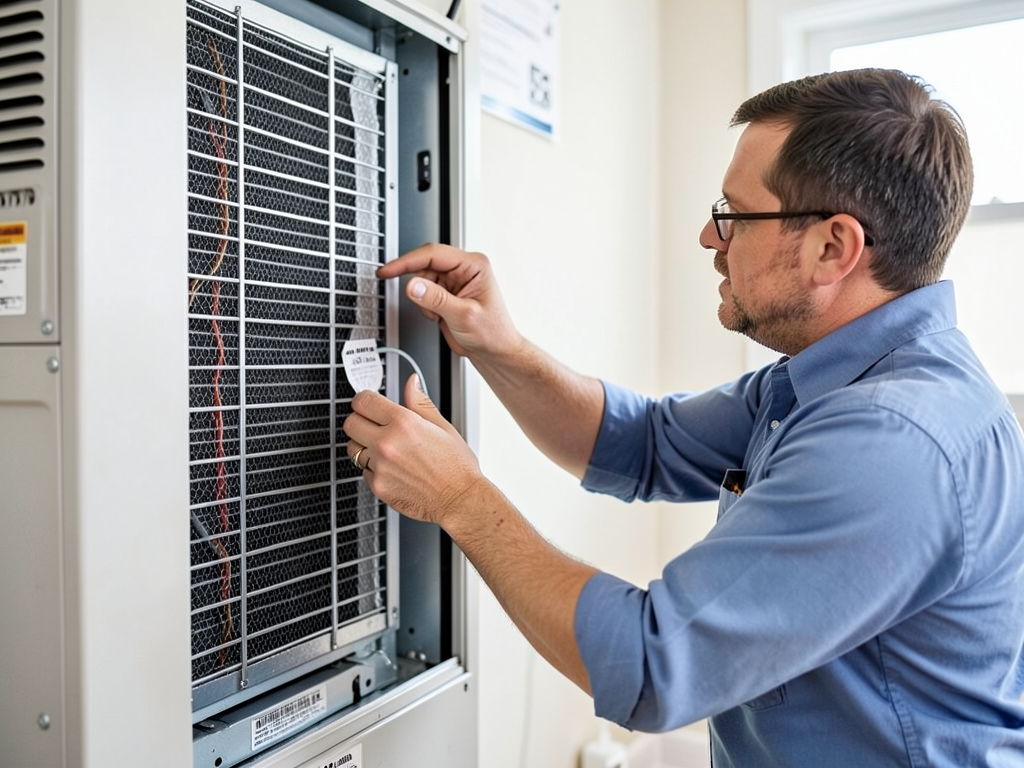
Close-up view of pollen grains and dust particles under magnification, showing the microscopic size of allergens that air filters must capture.
Air Filter Types: What Actually Works
Walking down the HVAC aisle at your local home improvement store can be overwhelming. You’ll see filters ranging from $2 to $50, with marketing terms like ‘allergen defense,’ ‘electrostatic,’ and ‘HEPA-type.’ Here’s what actually matters for allergy sufferers in Nashville: EPA guide to air cleaners and filters.
Fiberglass Filters: The Basic Option
These $2-3 filters are designed primarily to protect your HVAC equipment, not your lungs. They capture particles larger than 10 microns—meaning they’ll trap dust bunnies but let most pollen and mold spores right through. For Nashville allergy sufferers, these provide minimal relief.
Pleated Filters: The Sweet Spot
Standard pleated filters offer a significant upgrade. The pleated design increases surface area, allowing better particle capture without severely restricting airflow. Look for MERV ratings between 8-13:. Read more about The Real Difference Between Air Scrubbers and Standard Filters for 12 South Families.
- MERV 8: Captures dust, pollen, and mold spores (good baseline)
- MERV 11: Adds pet dander and finer dust particles
- MERV 13: Captures bacteria, smoke particles, and most virus carriers
For most Nashville homes, MERV 11 provides the best balance of filtration and system efficiency. MERV 13 works well if you have severe allergies or asthma, but check your HVAC manual first—some systems can’t handle the airflow restriction. The Best High Efficiency HVAC Systems for Luxury Homes in Brentwood.
HEPA Filters: Maximum Protection
True HEPA filters capture 99.97% of particles 0.3 microns or larger. They’re incredibly effective against allergens but require special HVAC systems. Standard residential systems typically can’t accommodate HEPA filters without significant modifications.
However, you can get HEPA-level performance through whole-home air purifiers that integrate with your existing ductwork. These systems use multiple filtration stages and often include UV light technology to kill bacteria and viruses.
Understanding MERV Ratings for Nashville Homes
The Minimum Efficiency Reporting Value (MERV) scale ranges from 1-20, with higher numbers indicating better filtration. But higher isn’t always better for residential HVAC systems. Here’s what works in Middle Tennessee:
| MERV Rating | Particle Size Captured | Best For | Potential Issues |
|---|---|---|---|
| MERV 1-4 | >10 microns | Basic dust protection | Minimal allergy relief |
| MERV 5-8 | 3-10 microns | Standard homes | Misses finer allergens |
| MERV 9-12 | 1-3 microns | Moderate allergies | May restrict older systems |
| MERV 13-16 | <1 micron | Severe allergies/asthma | Requires compatible systems |
Nashville’s humidity creates an interesting challenge. Higher MERV filters can trap moisture along with particles, potentially creating a breeding ground for mold if filters aren’t changed regularly. The EPA recommends replacing standard filters every 60-90 days, but during peak allergy season (April-October), monthly changes often provide better results.
Beyond Basic Filters: Advanced Air Quality Solutions
Sometimes standard filters aren’t enough, especially if you have multiple allergy sufferers or live near areas with high pollen counts like Centennial Park or along the Cumberland River greenway. Consider these advanced options: Why Your Green Hills Home Needs a Heating Tune Up Before the First Freeze.
UV Germicidal Lights
Installed inside your ductwork, UV lights kill airborne bacteria, viruses, and mold spores. They work best as a complement to high-quality filters rather than a replacement. The initial cost runs $400-800 installed, but they can significantly reduce biological contaminants that filters alone might miss.
Electronic Air Cleaners
These systems use electrical charges to trap particles as small as 0.1 microns. They’re highly effective but require professional installation and regular cleaning of the collection plates. Initial investment ranges from $800-1,500, but they eliminate the need for disposable filters.
Activated Carbon Filters
If you’re sensitive to odors or live near areas with higher pollution levels, activated carbon adds another layer of filtration. These filters trap volatile organic compounds (VOCs), smoke, and cooking odors that standard filters miss. They’re particularly useful for homes near major roads or industrial areas.
The Cost-Benefit Analysis: Disposable vs. Permanent Filters
Many homeowners struggle with whether to invest in reusable filters or stick with disposables. Here’s the real breakdown for Nashville homes:
| Filter Type | Initial Cost | Annual Replacement Cost | Maintenance | Best For |
|---|---|---|---|---|
| Disposable Pleated | $10-30 | $60-180 | Monthly replacement | Most homeowners |
| Washable Electrostatic | $40-80 | $0 | Monthly washing | Eco-conscious users |
| Electronic Air Cleaner | $800-1,500 | $0 | Quarterly cleaning | Severe allergy sufferers |
The math changes during Nashville’s intense allergy seasons. If you’re replacing disposable filters monthly from March through November (8 months), you’re looking at $80-240 annually just for filters. Over 5 years, that could equal or exceed the cost of a quality electronic air cleaner.
Installation and Integration: Getting It Right
Installing the wrong filter or system can actually harm your HVAC efficiency. Here’s what to consider:
System Compatibility
Older Nashville homes, particularly those in historic districts like East Nashville or Germantown, often have HVAC systems that weren’t designed for high-MERV filters. Installing a MERV 13 filter in a system designed for MERV 8 can reduce airflow by 30% or more, causing your system to work harder and potentially fail prematurely.
Professional Assessment
A proper air quality assessment includes checking your current system’s static pressure, ductwork design, and existing filtration. Many Nashville HVAC companies offer free assessments during off-peak seasons (typically late fall or early winter).
Integration with Existing Systems
Whole-home air purifiers need to integrate seamlessly with your existing ductwork. Poor integration can create pressure imbalances, leading to hot and cold spots throughout your home. This is especially problematic in Nashville’s older homes with original ductwork.
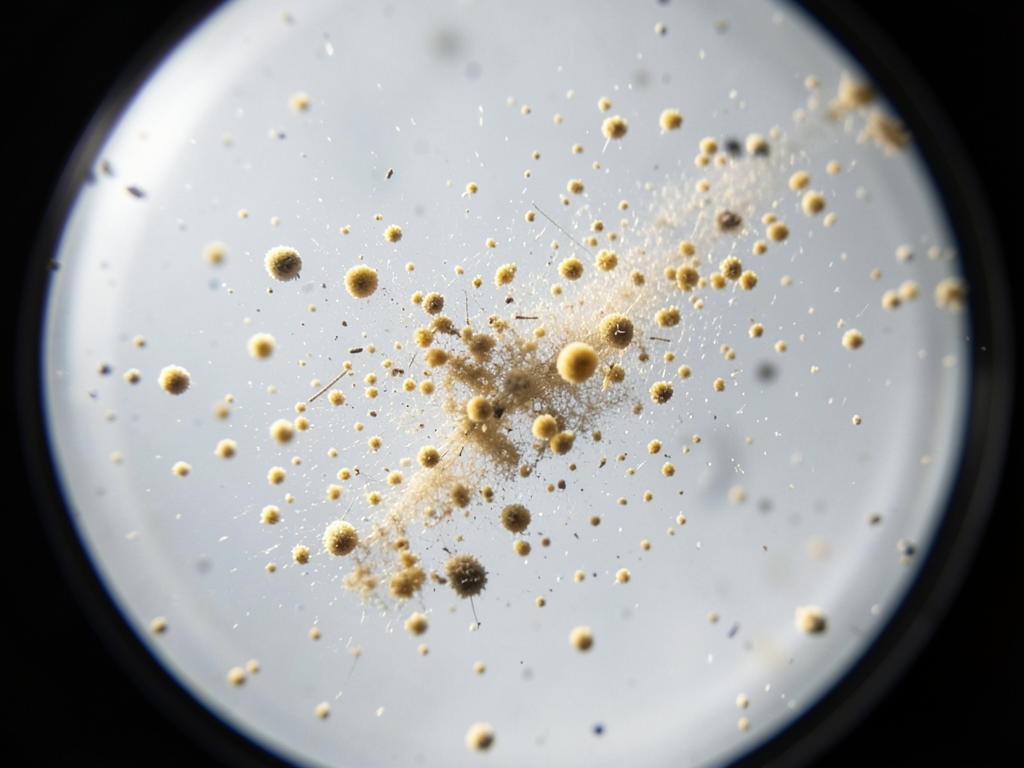
Technician installing a whole-home air purifier into existing ductwork, showing proper integration techniques and system compatibility checks.
Maintenance: The Key to Long-Term Success
Even the best air filtration system fails if not properly maintained. Here’s what actually works in Nashville’s climate:
Filter Replacement Schedule
During peak allergy season (April-October), replace standard filters every 30 days. In off-season months, you can extend to 60-90 days. Mark your calendar or set phone reminders—it’s easy to forget when life gets busy.
System Cleaning
Have your ductwork professionally cleaned every 3-5 years, or more frequently if you have pets, recent renovations, or live in an area with high pollen counts. Nashville’s humidity means mold can develop in ductwork even with good filtration.
UV Light Maintenance
UV bulbs lose effectiveness over time. Replace them annually, typically in early spring before allergy season hits. A UV light that’s lost 50% of its intensity still costs the same to operate but provides minimal benefit.
Cost Considerations and ROI
Investing in better air filtration isn’t just about comfort—it can impact your wallet in several ways:
- Reduced HVAC maintenance costs (less strain on your system)
- Lower energy bills (clean systems run more efficiently)
- Fewer doctor visits and medication costs for allergy sufferers
- Potential increase in home value (air quality is a selling point)
According to Energy Star, proper HVAC maintenance, including quality filtration, can reduce energy costs by 5-15%. For the average Nashville home spending $2,000 annually on heating and cooling, that’s $100-300 in savings. Heating and Cooling Historic Germantown Homes Without Bulky Ductwork.
Local Success Stories: Nashville Homes That Breathe Easier
We’ve helped hundreds of Middle Tennessee homeowners transform their indoor air quality. Here are a few examples:
The Thompson Family in Brentwood struggled with seasonal allergies for years. After installing a whole-home air purifier with MERV 13 filtration, they reported a 70% reduction in allergy symptoms and stopped using over-the-counter medications entirely during spring months.
A historic East Nashville bungalow had persistent mold issues due to poor ventilation. Adding UV germicidal lights to their existing system eliminated the musty odors and reduced mold spore counts by over 90%.
A family in Mount Juliet with young children suffering from asthma saw immediate improvements after upgrading to a HEPA-rated whole-home system. Their children’s nighttime coughing episodes decreased from nightly to occasional within the first month.
Making the Right Choice for Your Nashville Home
The best air filter for your home depends on several factors:
- Your specific allergy triggers
- Your HVAC system’s capabilities
- Your home’s age and construction
- Your budget and maintenance preferences
- The severity of Nashville’s current allergy season
Start with a professional assessment if you’re unsure. Many Nashville HVAC companies offer free consultations that include air quality testing and system evaluation. This initial investment of time can save you hundreds in trial-and-error purchases.
Remember that Nashville’s allergy season is getting longer and more intense due to climate change. What worked five years ago might not be sufficient today. Stay proactive about your indoor air quality, and you’ll breathe easier through even the worst pollen days. Getting Your AC Fixed Fast in East Nashville When the Summer Heat Hits.
Ready to transform your home’s air quality? Call (615) 552-1922 today to schedule your free air quality assessment. Our Nashville-based technicians understand the unique challenges of Middle Tennessee’s climate and can recommend solutions that actually work for your specific situation.
Family enjoying clean indoor air in their Nashville home, with before/after air quality readings showing significant improvement after professional filtration installation.
Frequently Asked Questions
How often should I change my air filter during Nashville’s allergy season?
During peak allergy months (April-October), replace standard filters every 30 days. In winter months, you can extend to 60-90 days. Homes with pets or multiple allergy sufferers should stick to the 30-day schedule year-round.
Can I install a HEPA filter in my existing HVAC system?
Most standard residential HVAC systems cannot accommodate true HEPA filters without modifications. HEPA filters restrict airflow significantly, which can damage your system. However, you can achieve HEPA-level performance through whole-home air purifiers that work with your existing setup. Storm Damage HVAC Repair.
Are expensive air filters worth the cost?
For Nashville allergy sufferers, higher-quality filters often pay for themselves through reduced allergy symptoms, lower HVAC maintenance costs, and improved energy efficiency. The key is choosing the right filter for your specific system and needs, not just the most expensive option.
Do air purifiers help with Nashville’s humidity-related issues?
Standard air purifiers don’t directly address humidity, but many whole-home systems include dehumidification features. Nashville’s humidity can exacerbate mold growth and dust mite populations, so combining proper filtration with humidity control often provides the best results.
What’s the difference between a filter and an air purifier?
Air filters trap particles as air passes through your HVAC system. Air purifiers are more comprehensive systems that may include multiple filtration stages, UV light technology, and sometimes humidity control. Purifiers provide better air quality but require professional installation and higher upfront costs. For more information, visit American Academy of Allergy guidelines.
{
“@context”: “https://schema.org”,
“@type”: “BlogPosting”,
“headline”: “The Best Air Filters for Combating Nashville’s Intense Allergy Season”,
“description”: “Struggling with Nashville’s brutal allergy season? Learn which air filters actually capture pollen, dust, and mold spores specific to Middle Tennessee’s unique climate.”,
“wordCount”: 1977,
“datePublished”: “2026-02-24T10:10:00.000Z”,
“dateModified”: “2026-02-24T10:10:00.000Z”,
“inLanguage”: “en-US”,
“mainEntityOfPage”: {
“@type”: “WebPage”,
“@id”: “https://alphahvacnashville.com”
},
“publisher”: {
“@type”: “LocalBusiness”,
“name”: “Alpha HVAC Nashville”,
“url”: “https://alphahvacnashville.com”
},
“author”: {
“@type”: “Organization”,
“name”: “Alpha HVAC Nashville”,
“url”: “https://alphahvacnashville.com”
},
“image”: {
“@type”: “ImageObject”,
“url”: “https://alphahvacnashville.com/wp-content/uploads/2026/03/the-best-air-filters-for-combating-nashville-s-int-1.png”
}
}
{
“@context”: “https://schema.org”,
“@type”: “HVACBusiness”,
“name”: “Alpha HVAC Nashville”,
“url”: “https://alphahvacnashville.com”,
“address”: {
“@type”: “PostalAddress”,
“addressLocality”: “Nashville”
},
“areaServed”: {
“@type”: “City”,
“name”: “Nashville”
}
}
{
“@context”: “https://schema.org”,
“@type”: “FAQPage”,
“mainEntity”: [
{
“@type”: “Question”,
“name”: “How often should I change my air filter during Nashville’s allergy season?”,
“acceptedAnswer”: {
“@type”: “Answer”,
“text”: “During peak allergy months (April-October), replace standard filters every 30 days. In winter months, you can extend to 60-90 days. Homes with pets or multiple allergy sufferers should stick to the 30-day schedule year-round.”
}
},
{
“@type”: “Question”,
“name”: “Can I install a HEPA filter in my existing HVAC system?”,
“acceptedAnswer”: {
“@type”: “Answer”,
“text”: “Most standard residential HVAC systems cannot accommodate true HEPA filters without modifications. HEPA filters restrict airflow significantly, which can damage your system. However, you can achieve HEPA-level performance through whole-home air purifiers that work with your existing setup. Storm Damage HVAC Repair.”
}
},
{
“@type”: “Question”,
“name”: “Are expensive air filters worth the cost?”,
“acceptedAnswer”: {
“@type”: “Answer”,
“text”: “For Nashville allergy sufferers, higher-quality filters often pay for themselves through reduced allergy symptoms, lower HVAC maintenance costs, and improved energy efficiency. The key is choosing the right filter for your specific system and needs, not just the most expensive option.”
}
},
{
“@type”: “Question”,
“name”: “Do air purifiers help with Nashville’s humidity-related issues?”,
“acceptedAnswer”: {
“@type”: “Answer”,
“text”: “Standard air purifiers don’t directly address humidity, but many whole-home systems include dehumidification features. Nashville’s humidity can exacerbate mold growth and dust mite populations, so combining proper filtration with humidity control often provides the best results.”
}
},
{
“@type”: “Question”,
“name”: “What’s the difference between a filter and an air purifier?”,
“acceptedAnswer”: {
“@type”: “Answer”,
“text”: “Air filters trap particles as air passes through your HVAC system. Air purifiers are more comprehensive systems that may include multiple filtration stages, UV light technology, and sometimes humidity control. Purifiers provide better air quality but require professional installation and higher upfront costs. For more information, visit American Academy of Allergy guidelines.”
}
}
]
}
{
“@context”: “https://schema.org”,
“@type”: “BreadcrumbList”,
“itemListElement”: [
{
“@type”: “ListItem”,
“position”: 1,
“name”: “Home”,
“item”: “https://alphahvacnashville.com”
},
{
“@type”: “ListItem”,
“position”: 2,
“name”: “Blog”,
“item”: “https://alphahvacnashville.com/blog”
},
{
“@type”: “ListItem”,
“position”: 3,
“name”: “The Best Air Filters for Combating Nashville’s Intense Allergy Season”
}
]
}
{
“@context”: “https://schema.org”,
“@type”: “Service”,
“serviceType”: “HVAC”,
“provider”: {
“@type”: “LocalBusiness”,
“name”: “Alpha HVAC Nashville”,
“url”: “https://alphahvacnashville.com”
},
“areaServed”: {
“@type”: “City”,
“name”: “Nashville”
},
“description”: “Struggling with Nashville’s brutal allergy season? Learn which air filters actually capture pollen, dust, and mold spores specific to Middle Tennessee’s unique climate.”
}