
Heating and Cooling Historic Germantown Homes Without Bulky Ductwork
Historic Germantown homes built before 1950 were constructed without central HVAC systems. Adding traditional ductwork to these properties often requires tearing into original plaster walls, crown molding, and hardwood floors. Ductless mini-split systems offer a preservation-friendly solution that delivers year-round comfort without compromising architectural integrity.
Ductless mini-splits use compact indoor air handlers mounted high on walls or ceilings, connected to an outdoor compressor via small refrigerant lines that only require a three-inch hole through exterior walls. This technology eliminates the need for bulky ductwork while providing zoned temperature control for each room. The systems operate at whisper-quiet levels and can reduce energy costs by 30-40% compared to window units or space heaters.
Middle Tennessee’s humid subtropical climate makes efficient cooling essential from May through October. Germantown’s historic district homes face unique challenges including poor insulation, single-pane windows, and limited attic space. Ductless systems address these issues while maintaining the character that makes these properties so desirable.. Read more about How to Finance a New Heating and Cooling System in Nashville With No Stress.
Call (615) 552-1922 today to schedule a free in-home assessment of your historic Germantown property. Our technicians specialize in preservation-sensitive installations that protect your home’s architectural heritage while delivering modern comfort.. Read more about Modern HVAC Solutions for Condos and Lofts in The Gulch.
How Ductless Systems Preserve Historic Architecture
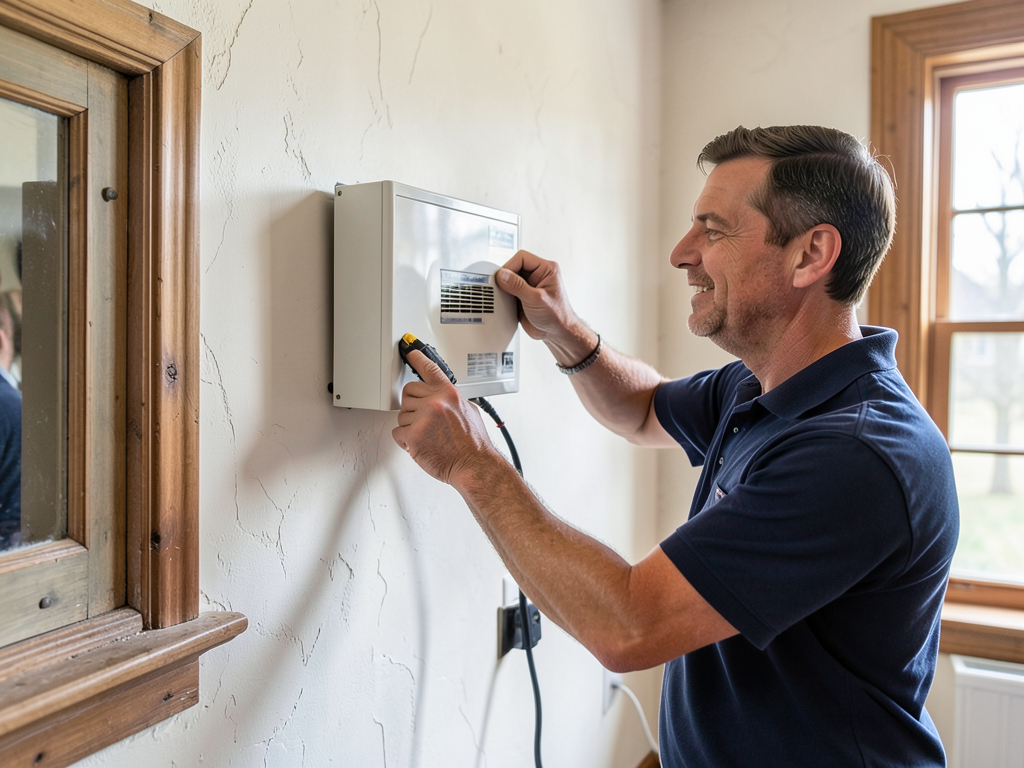
Original plaster walls in Germantown’s historic homes cannot withstand the structural modifications required for traditional ductwork installation. Ductless systems bypass this problem entirely by mounting indoor units directly on wall surfaces without penetrating load-bearing structures.
The compact refrigerant lines run through existing wall cavities or along baseboards, hidden behind decorative trim when necessary. Outdoor units can be positioned on rear patios or side yards, maintaining the home’s historic street appearance. This approach preserves original moldings, mantels, and architectural details that would be destroyed by conventional HVAC installation.
Historic preservation guidelines in Nashville’s Germantown district specifically permit ductless installations because they meet the Secretary of the Interior’s Standards for Rehabilitation. The minimal visual impact and reversible nature of these systems make them the preferred choice for homeowners seeking modern comfort without sacrificing historical authenticity.. Read more about Nashville AC Repair Companies That Actually Answer the Phone on Weekends.
Germantown’s Climate Challenges and Ductless Solutions
Middle Tennessee experiences extreme humidity levels averaging 70% during summer months, with July temperatures frequently exceeding 90°F. Historic homes in Germantown suffer from poor thermal performance due to original construction methods and materials. Single-pane windows, balloon framing, and minimal insulation create uncomfortable indoor conditions.
Ductless mini-splits combat these issues through inverter technology that continuously adjusts compressor speed based on cooling demand. This prevents the temperature swings common with traditional systems while removing excess humidity more effectively. The variable-speed operation maintains consistent comfort levels without the energy spikes of conventional cycling.
Winter presents different challenges in Germantown’s historic homes. Many lack proper insulation in walls and attics, making them difficult to heat efficiently. Ductless heat pumps provide heating down to 5°F outdoor temperatures, eliminating the need for separate heating systems while reducing overall energy consumption by up to 50% compared to electric resistance heating.
Installation Process for Historic Properties
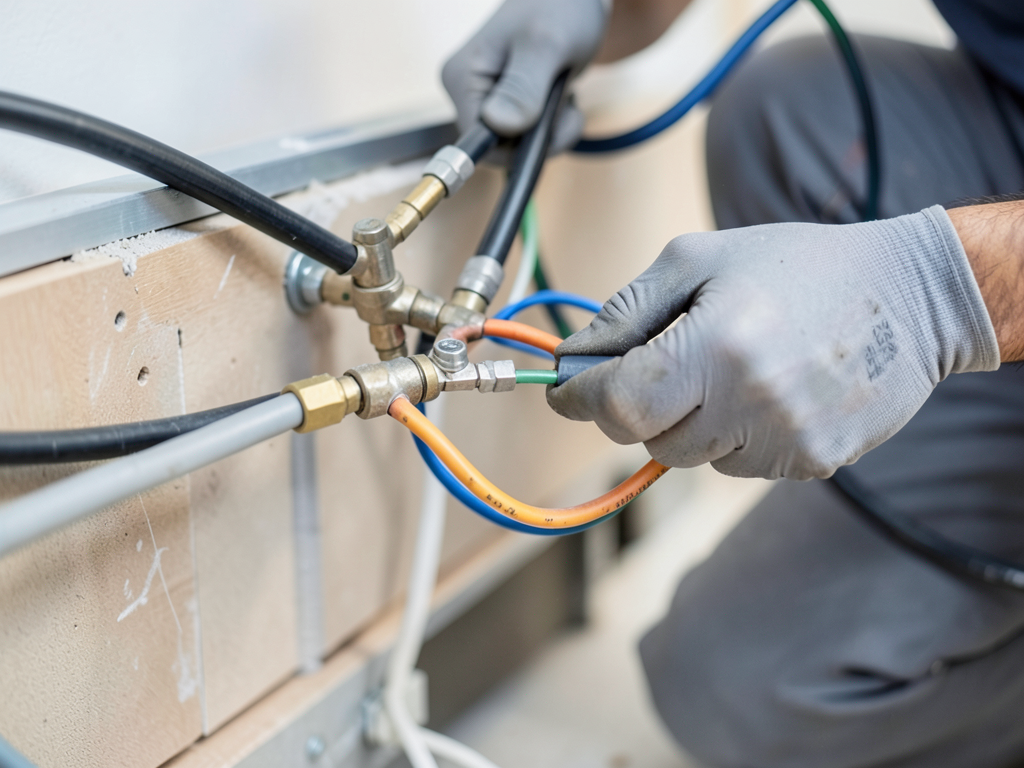
The installation begins with a comprehensive load calculation using Manual J methodology to determine exact heating and cooling requirements for each room. This precision ensures proper system sizing without oversizing, which wastes energy and creates uncomfortable temperature fluctuations.
Technicians use specialized tools to locate wall studs and electrical wiring before creating access points. The three-inch refrigerant line hole is drilled at a slight upward angle to prevent water infiltration. Lines are then insulated and sealed with weatherproof materials that prevent air leakage and moisture intrusion.
Indoor units mount using vibration-dampening brackets that protect historic plaster walls from damage. Outdoor compressors install on concrete pads or wall brackets designed to distribute weight evenly without stressing foundation structures. The entire process typically completes in one to two days with minimal disruption to daily activities.
Energy Efficiency and Cost Savings
Ductless systems achieve SEER2 ratings between 20-25, significantly higher than the 14-16 SEER2 typical of conventional systems. This efficiency translates to monthly utility savings of $50-150 depending on home size and usage patterns. The zoning capability allows homeowners to condition only occupied rooms, further reducing energy waste.
TVA’s eScore program offers rebates up to $450 per ton for qualifying ductless installations in Davidson County. Federal tax credits under Section 25C provide additional savings of 30% up to $2,000 for qualifying high-efficiency equipment. These incentives can reduce installation costs by 20-30%. TVA eScore rebates.
The absence of ductwork eliminates energy losses from air leakage, which can account for 20-30% of total HVAC energy consumption in conventional systems. This improvement alone often pays for the ductless system within five to seven years through reduced utility bills.
Maintenance Requirements for Optimal Performance
Ductless systems require minimal maintenance compared to conventional HVAC equipment. The primary task involves cleaning or replacing air filters every three months. Most systems feature washable filters that only need gentle rinsing with water and air drying before reinstallation.
Annual professional maintenance includes checking refrigerant levels, cleaning condenser coils, and inspecting electrical connections. Technicians use specialized gauges to verify proper superheat and subcooling levels, ensuring the system operates at peak efficiency. This service typically costs $150-200 and prevents costly repairs down the road.
The condensate drain lines require periodic inspection to prevent algae growth and blockages. Most systems include automatic cleaning cycles that activate during operation, but manual cleaning every six months ensures optimal moisture removal during humid Nashville summers.
Comparing Ductless to Other Options
| Feature | Ductless Mini-Split | Traditional Ductwork | Window Units |
|---|---|---|---|
| Installation Impact | Minimal wall penetration | Major structural modification | None |
| Energy Efficiency (SEER2) | 20-25 | 14-16 | 10-12 |
| Noise Level | 19-30 dB | 40-50 dB | 50-60 dB |
| Lifespan | 15-20 years | 15-20 years | 5-8 years |
| Humidity Control | Excellent | Good | Poor |
Common Applications in Historic Germantown
Ductless systems excel in various historic home scenarios throughout Germantown. Second-floor additions benefit from independent temperature control without extending existing ductwork. Converted attic spaces gain year-round usability through compact ceiling-mounted units that preserve headroom.
Historic homes with multiple additions often have inconsistent temperatures between original and newer sections. Ductless zoning allows different comfort levels in each area without compromising the original architecture. This approach proves particularly valuable for homes with home offices, where quiet operation and precise temperature control enhance productivity.
Period homes with original plaster walls cannot accommodate the structural modifications required for traditional HVAC without extensive restoration afterward. Ductless installation preserves these irreplaceable architectural elements while providing modern comfort equivalent to new construction.
Choosing the Right System Size
Proper sizing requires calculating the exact heat gain and loss for each room using Manual J methodology. Factors include square footage, ceiling height, window area, insulation levels, and local climate data specific to Nashville’s 8,500 heating degree days and 2,500 cooling degree days annually.
Oversized systems short-cycle, failing to remove humidity effectively and creating uncomfortable temperature swings. Undersized units cannot maintain desired temperatures during extreme weather. Professional load calculations prevent these issues by matching equipment capacity to actual requirements within 5% accuracy.
Multi-zone systems allow different capacities for various rooms based on their specific needs. Bedrooms might require 9,000 BTU while living areas need 18,000 BTU. This customization maximizes efficiency while ensuring comfort throughout the home.
Quality Installation Indicators
Professional ductless installation requires specialized training and certification. Technicians should hold NATE certification and manufacturer-specific credentials for brands like Mitsubishi Electric or Daikin. These qualifications ensure proper refrigerant charging, electrical connections, and system commissioning.
Quality installations include proper line set insulation rated for outdoor exposure, vibration isolation mounts to prevent noise transmission, and weatherproof seals around penetration points. The condensate drain should include a trap to prevent air infiltration and must slope correctly for proper drainage.
Post-installation testing verifies system performance through temperature differential measurements, airflow verification, and refrigerant charge confirmation. Technicians should provide documentation showing all measurements meet manufacturer specifications before considering the job complete.
Frequently Asked Questions
How long does ductless installation take in a historic home?
Most single-zone installations complete in one day. Multi-zone systems requiring three or more indoor units typically need two days. Historic properties may require additional time for careful wall preparation and preservation-sensitive mounting procedures.
Will ductless units damage my historic plaster walls?
Professional installation uses specialized mounting brackets and techniques that protect plaster integrity. The three-inch refrigerant line hole creates minimal impact, and technicians can repair any minor damage to match existing wall finishes.
Are ductless systems noisy?
Indoor units operate at 19-30 decibels, quieter than a whisper. Outdoor compressors produce 50-60 decibels at one foot distance. Variable-speed operation further reduces noise by eliminating the on/off cycling sounds of conventional systems.
Can ductless systems heat my home in winter?
Yes. Modern heat pumps provide heating down to 5°F outdoor temperatures. Nashville’s mild winters rarely approach these extremes, making ductless heat pumps suitable for year-round comfort without separate heating systems.
What maintenance do ductless systems require?
Clean or replace air filters every three months. Schedule annual professional maintenance including refrigerant level checks and coil cleaning. The condensate drain requires occasional cleaning to prevent blockages.
Are there rebates available for ductless installations?
TVA’s eScore program offers up to $450 per ton for qualifying installations. Federal tax credits under Section 25C provide 30% of installation costs up to $2,000. Local utility companies may offer additional incentives. Federal tax credits.
Ready to Upgrade Your Historic Germantown Home?
Historic homes deserve modern comfort without sacrificing architectural heritage. Ductless mini-split systems deliver both, providing efficient heating and cooling while preserving irreplaceable original features. The technology has matured to offer reliability, quiet operation, and significant energy savings that make it ideal for Nashville’s climate.
Our team understands the unique challenges of historic property HVAC installation. We hold NATE certifications and manufacturer-specific training for leading brands. Every installation includes comprehensive load calculations, preservation-sensitive mounting procedures, and post-installation performance verification.
Don’t let another summer pass with uncomfortable temperatures and high utility bills. Call (615) 552-1922 today to schedule your free in-home assessment. We’ll evaluate your specific needs, explain your options, and provide a detailed proposal with transparent pricing. Your historic home deserves modern comfort without compromise.
Pick up the phone and call (615) 552-1922 before the next heat wave hits. Our technicians are standing by to help you discover how ductless technology can transform your historic Germantown home into the comfortable, efficient space you’ve always wanted.
You may also find this helpful. The Best Smart Thermostats for Older Homes in Sylvan Park.
{
“@context”: “https://schema.org”,
“@type”: “BlogPosting”,
“headline”: “Heating and Cooling Historic Germantown Homes Without Bulky Ductwork”,
“description”: “Expert ductless mini-split solutions for historic Germantown homes. Learn how to stay comfortable without damaging original architecture. Call (615) 552-1922 for a free quote.”,
“wordCount”: 1693,
“datePublished”: “2026-02-14T15:33:00.000Z”,
“dateModified”: “2026-02-14T15:33:00.000Z”,
“inLanguage”: “en-US”,
“mainEntityOfPage”: {
“@type”: “WebPage”,
“@id”: “https://alphahvacnashville.com”
},
“publisher”: {
“@type”: “LocalBusiness”,
“name”: “Alpha HVAC Nashville”,
“url”: “https://alphahvacnashville.com”
},
“author”: {
“@type”: “Organization”,
“name”: “Alpha HVAC Nashville”,
“url”: “https://alphahvacnashville.com”
},
“image”: {
“@type”: “ImageObject”,
“url”: “https://alphahvacnashville.com/wp-content/uploads/2026/03/heating-and-cooling-historic-germantown-homes-with-1.png”
}
}
{
“@context”: “https://schema.org”,
“@type”: “HVACBusiness”,
“name”: “Alpha HVAC Nashville”,
“url”: “https://alphahvacnashville.com”,
“address”: {
“@type”: “PostalAddress”,
“addressLocality”: “Nashville”
},
“areaServed”: {
“@type”: “City”,
“name”: “Nashville”
}
}
{
“@context”: “https://schema.org”,
“@type”: “FAQPage”,
“mainEntity”: [
{
“@type”: “Question”,
“name”: “How long does ductless installation take in a historic home?”,
“acceptedAnswer”: {
“@type”: “Answer”,
“text”: “Most single-zone installations complete in one day. Multi-zone systems requiring three or more indoor units typically need two days. Historic properties may require additional time for careful wall preparation and preservation-sensitive mounting procedures.”
}
},
{
“@type”: “Question”,
“name”: “Will ductless units damage my historic plaster walls?”,
“acceptedAnswer”: {
“@type”: “Answer”,
“text”: “Professional installation uses specialized mounting brackets and techniques that protect plaster integrity. The three-inch refrigerant line hole creates minimal impact, and technicians can repair any minor damage to match existing wall finishes.”
}
},
{
“@type”: “Question”,
“name”: “Are ductless systems noisy?”,
“acceptedAnswer”: {
“@type”: “Answer”,
“text”: “Indoor units operate at 19-30 decibels, quieter than a whisper. Outdoor compressors produce 50-60 decibels at one foot distance. Variable-speed operation further reduces noise by eliminating the on/off cycling sounds of conventional systems.”
}
},
{
“@type”: “Question”,
“name”: “Can ductless systems heat my home in winter?”,
“acceptedAnswer”: {
“@type”: “Answer”,
“text”: “Yes. Modern heat pumps provide heating down to 5°F outdoor temperatures. Nashville’s mild winters rarely approach these extremes, making ductless heat pumps suitable for year-round comfort without separate heating systems.”
}
},
{
“@type”: “Question”,
“name”: “What maintenance do ductless systems require?”,
“acceptedAnswer”: {
“@type”: “Answer”,
“text”: “Clean or replace air filters every three months. Schedule annual professional maintenance including refrigerant level checks and coil cleaning. The condensate drain requires occasional cleaning to prevent blockages.”
}
},
{
“@type”: “Question”,
“name”: “Are there rebates available for ductless installations?”,
“acceptedAnswer”: {
“@type”: “Answer”,
“text”: “TVA’s eScore program offers up to $450 per ton for qualifying installations. Federal tax credits under Section 25C provide 30% of installation costs up to $2,000. Local utility companies may offer additional incentives. Federal tax credits.”
}
},
{
“@type”: “Question”,
“name”: “Ready to Upgrade Your Historic Germantown Home?”,
“acceptedAnswer”: {
“@type”: “Answer”,
“text”: “Historic homes deserve modern comfort without sacrificing architectural heritage. Ductless mini-split systems deliver both, providing efficient heating and cooling while preserving irreplaceable original features. The technology has matured to offer reliability, quiet operation, and significant energy savings that make it ideal for Nashville’s climate.”
}
}
]
}
{
“@context”: “https://schema.org”,
“@type”: “BreadcrumbList”,
“itemListElement”: [
{
“@type”: “ListItem”,
“position”: 1,
“name”: “Home”,
“item”: “https://alphahvacnashville.com”
},
{
“@type”: “ListItem”,
“position”: 2,
“name”: “Blog”,
“item”: “https://alphahvacnashville.com/blog”
},
{
“@type”: “ListItem”,
“position”: 3,
“name”: “Heating and Cooling Historic Germantown Homes Without Bulky Ductwork”
}
]
}
{
“@context”: “https://schema.org”,
“@type”: “Service”,
“serviceType”: “HVAC”,
“provider”: {
“@type”: “LocalBusiness”,
“name”: “Alpha HVAC Nashville”,
“url”: “https://alphahvacnashville.com”
},
“areaServed”: {
“@type”: “City”,
“name”: “Nashville”
},
“description”: “Expert ductless mini-split solutions for historic Germantown homes. Learn how to stay comfortable without damaging original architecture. Call (615) 552-1922 for a free quote.”
}